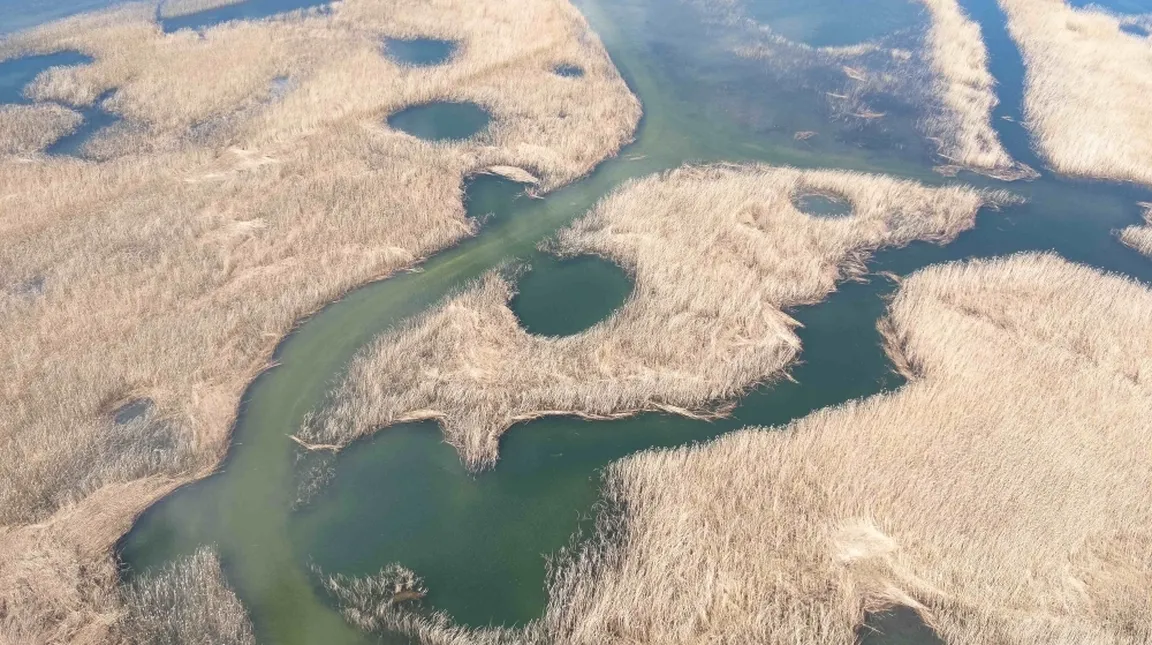
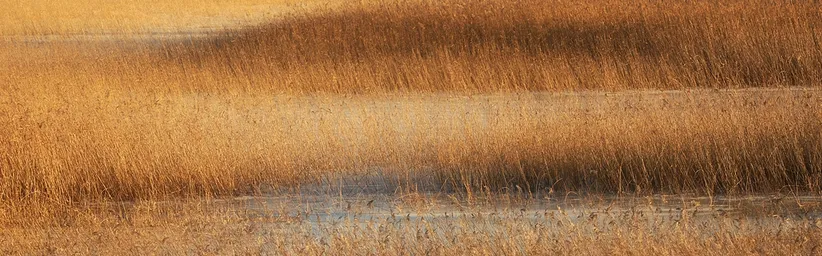
Did you know that we can observe birds on Lake Cerknica from a height as well? As part of the LIFE TRŠCA project we conduct bird monitoring, and during the nesting season modern technology also helps us – an unmanned aircraft or drone.
We use a thermal camera and a camera with optical zoom for monitoring. With the help of the drone we can observe birds at a distance, which reduces disturbances during monitoring. We also fly high enough not to disturb the birds.
Monitoring from the air provides a valuable insight into the nesting behavior of birds – the nesting period, nesting success, and selection of nesting habitat. These data are often inaccessible with conventional methods.
How does nest counting with a drone work?
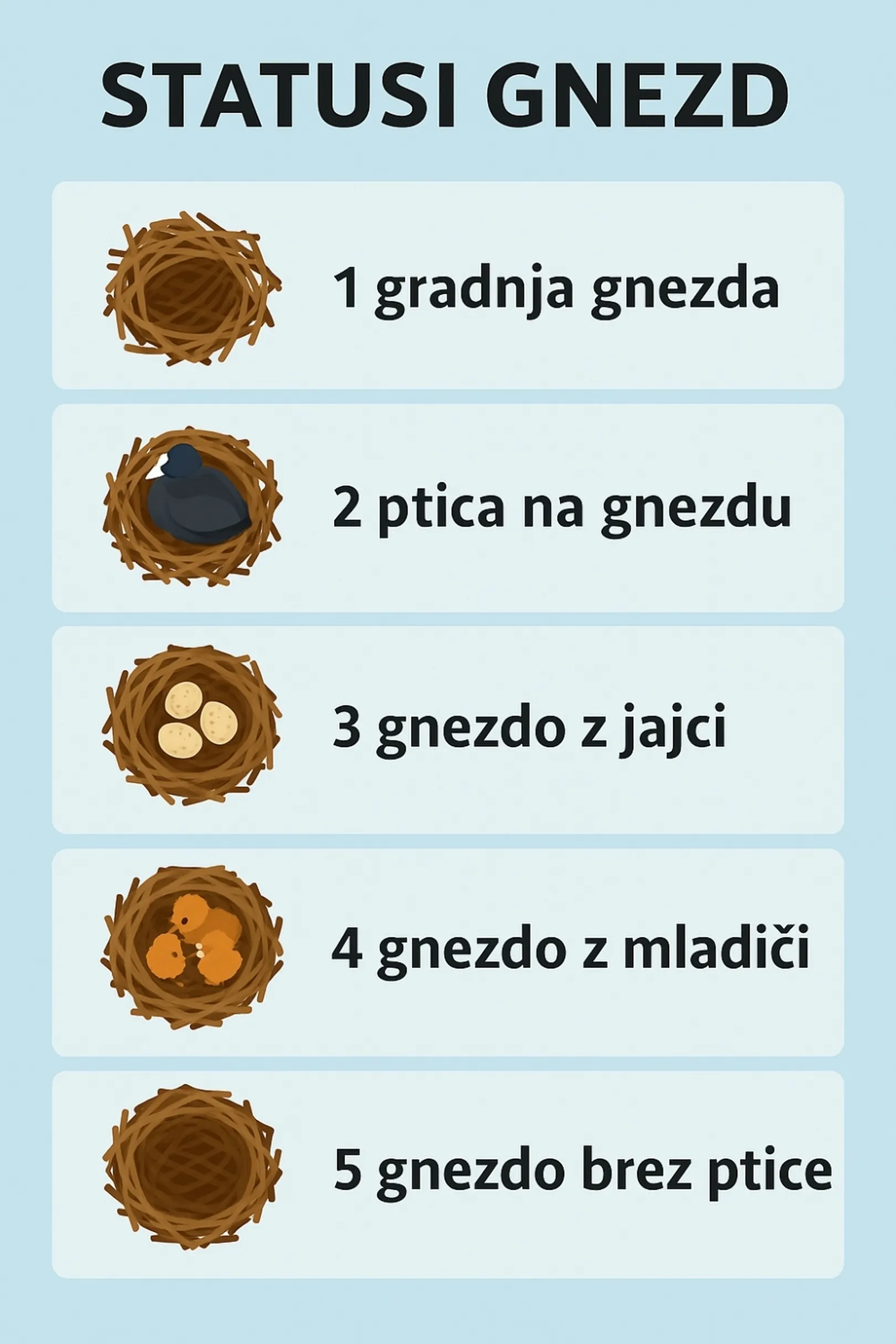
The drone enables accurate observation of birds and their nests without entering close proximity. Because birds are most sensitive during this period, direct human presence could even cause them to abandon nesting. For each nest we determine which species it belongs to, and its current status:
- Nest under construction
- Bird on the nest
- Nest with eggs
- Nest with chicks
- Nest without a bird
These data are crucial for monitoring nesting success and the long-term protection of birds and their habitat.
Results of the latest drone bird monitoring
The latest bird counting was carried out on four areas of Lake Cerknica – Belem Breg, Žerovniščica, Trščenkah and Levišča. In addition to these, we will monitor nesting also in Ključi and Zadnji kraj. In total we recorded about one hundred nests, most of which belong to liska and čopasti ponirek.
1.) Beli breg
• 1x nest under construction (Fulica atra)
• 3x nests with birds (Fulica atra, Podiceps cristatus)
• 1x nest with eggs (Fulica atra)
• 5x nests without a bird
2.) Žerovniščica
• 4x nests under construction (Fulica atra)
• 14x nests with birds (Fulica atra)
• 1x nest with eggs (Fulica atra)
• 2x nests without a bird
3.) Trščenke
• 39x nests with birds (Fulica atra, Podiceps cristatus))
• 2x nests with eggs (Fulica atra, Podiceps cristatus))
4.) Levišča
• 2x nests under construction
• 34x nests with a bird (Fulica atra, Podiceps cristatus, Tachybaptus ruficollis)
During the monitoring we also observed in tall reeds the target species of the LIFE TRŠCA project – Podiceps grisegena and Aythya nyroca.
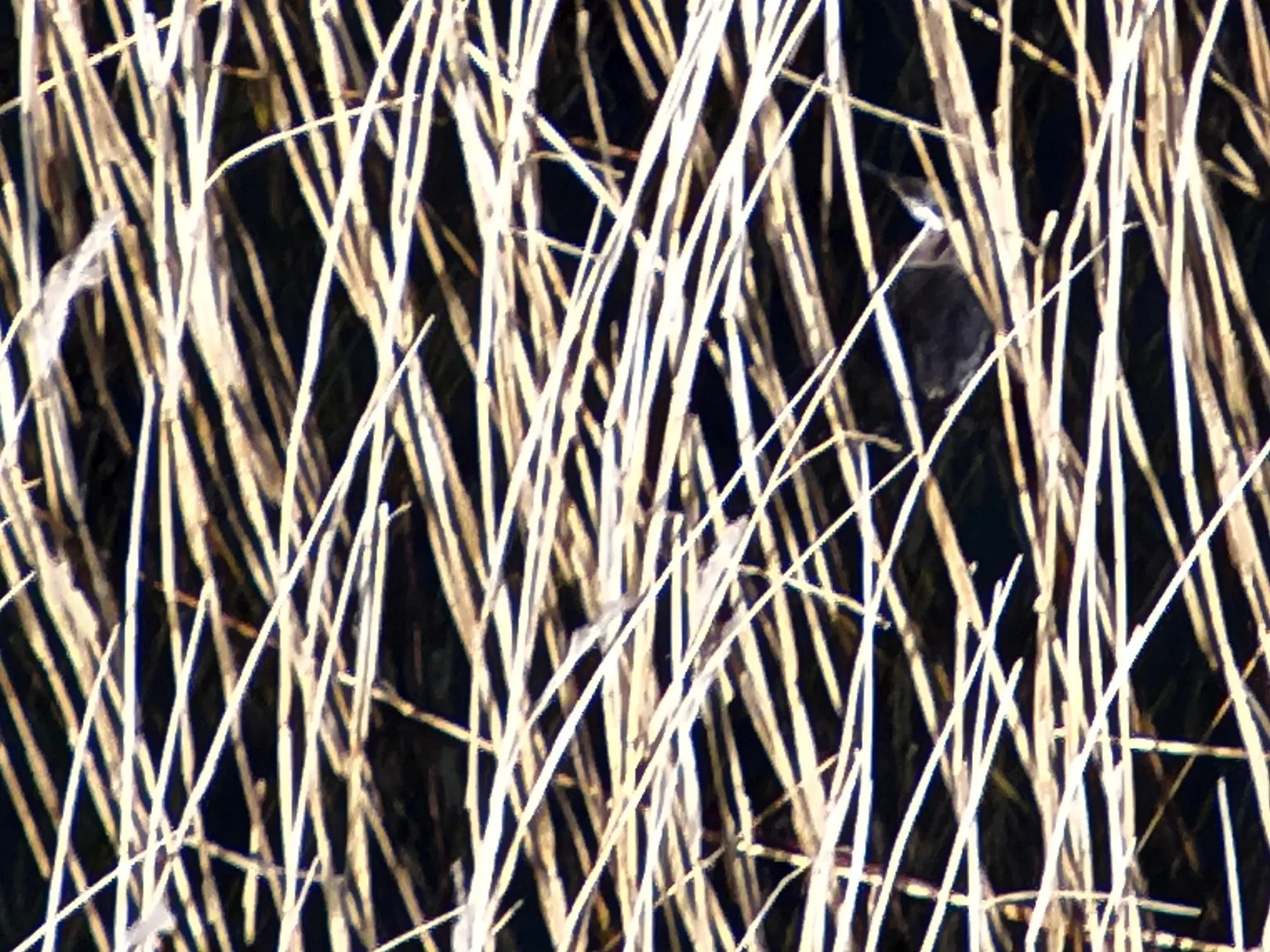
Photo: NRP archive
Why is this important?
Waterbird nesting sites are often hidden and difficult to access, so observing with a drone is extremely efficient. This way we obtain precise data on the breeding success of individual species in a given period, which helps us plan measures for their protection.
Lake Cerknica remains one of the most important areas for birds in Slovenia. The LIFE TRŠCA project ensures that this remains so. With the insights gained into nesting habitat we will be able to adjust the management of the area so that the conditions for the birds are as favorable as possible. With the drone, binoculars and dedication to nature we will continue to monitor how birds build and protect their nests.
You can also help – record your observations in the eBird or iNaturalist apps.
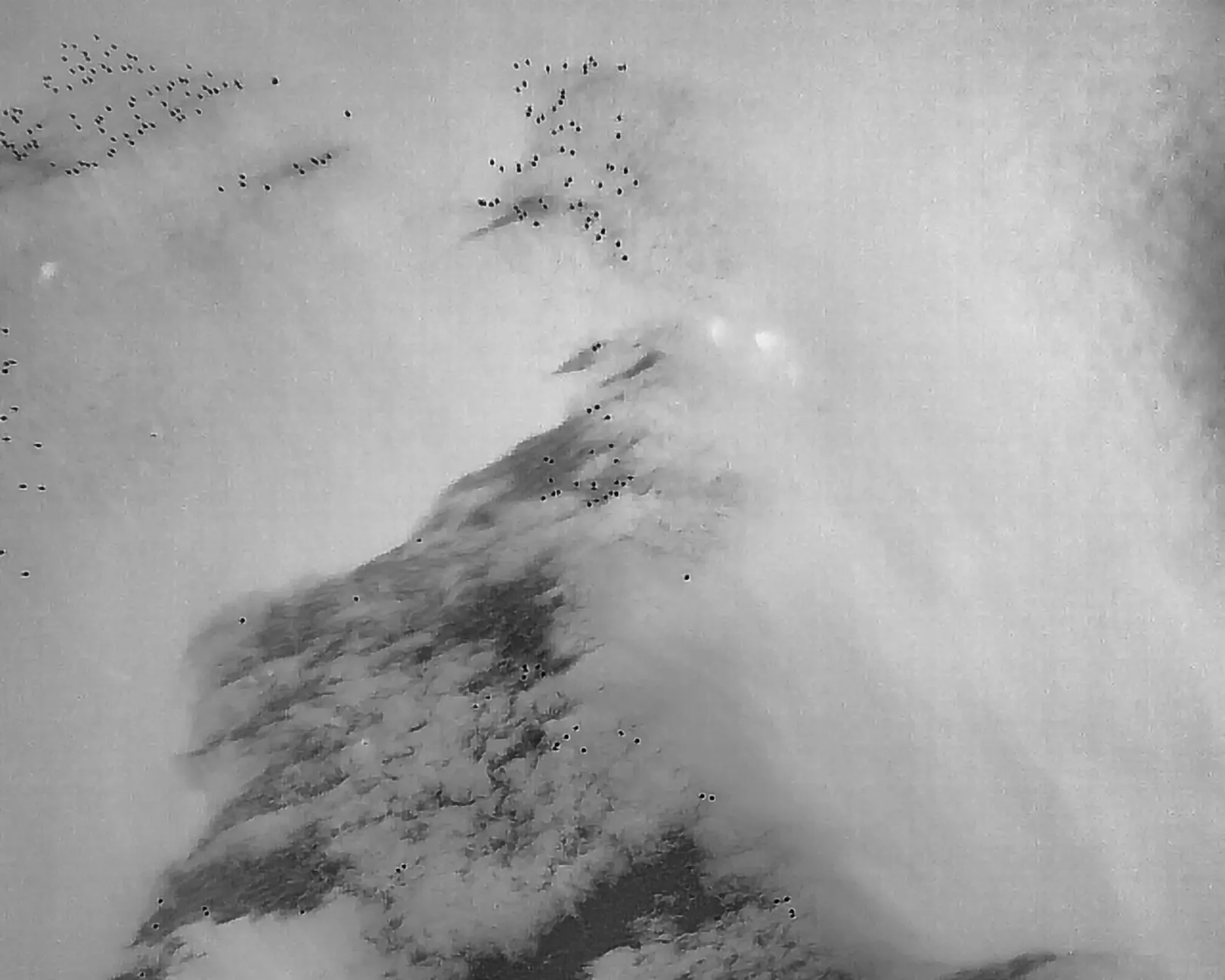
Photo: NRP archive
Restriction on flying with drones in Notranjska Park
By the Decree on Notranjska Park, flying with unmanned aircraft-drones for general use in the area of Lake Cerknica is prohibited.