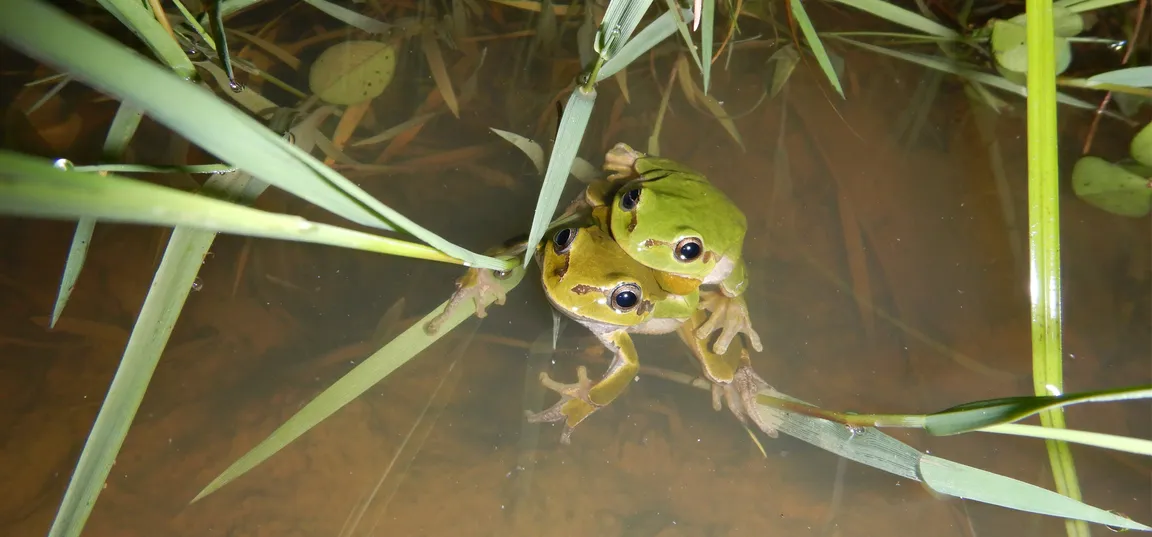
Amphibians are one of the oldest groups of vertebrates on Earth. Today, they are considered among the most endangered animal groups worldwide. Frogs, toads, newts, and salamanders are not only fascinating inhabitants of wetlands, ponds, and forests, but they also play a crucial role in nature and indirectly for humans. Their conservation, especially during spring migrations, is extremely important.
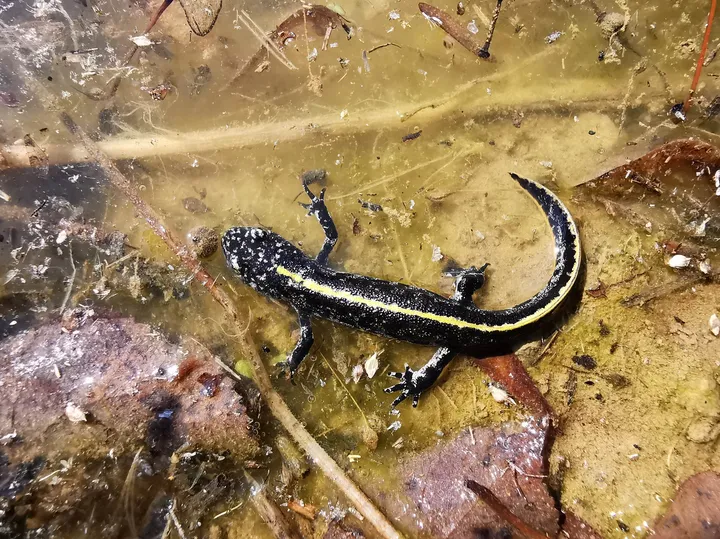
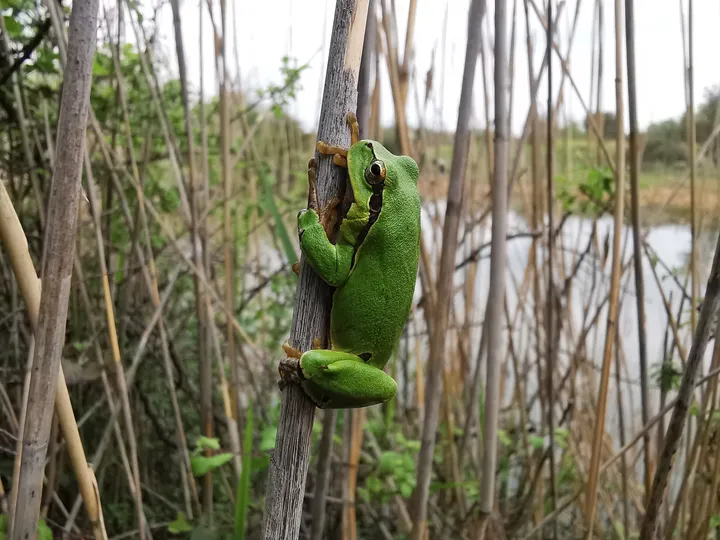
The Importance of Amphibians for Nature
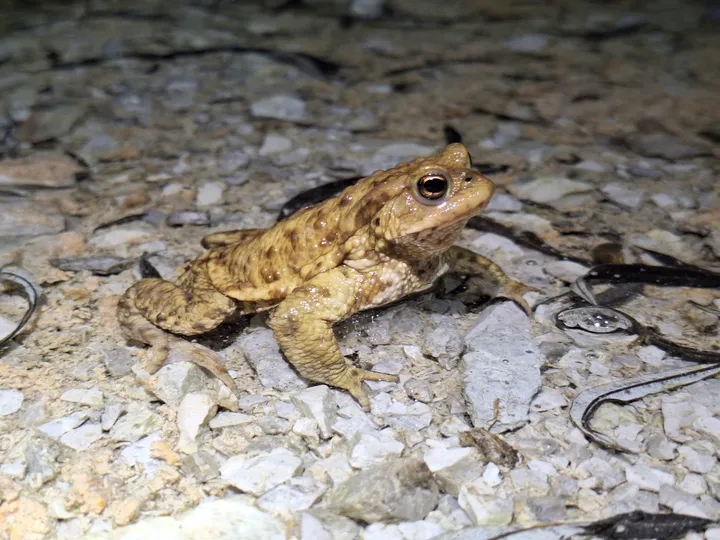
Amphibians are a fundamental part of natural balance. They feed on large quantities of insects, snails, and other invertebrates, thereby regulating the populations of these species. At the same time, they serve as prey for birds, fish, snakes, and mammals. A single frog can consume several thousand insects in one season.
Due to their permeable skin, amphibians are extremely sensitive to environmental changes, which makes them excellent bioindicators. A decline or disappearance of their populations often signals serious environmental pressures.
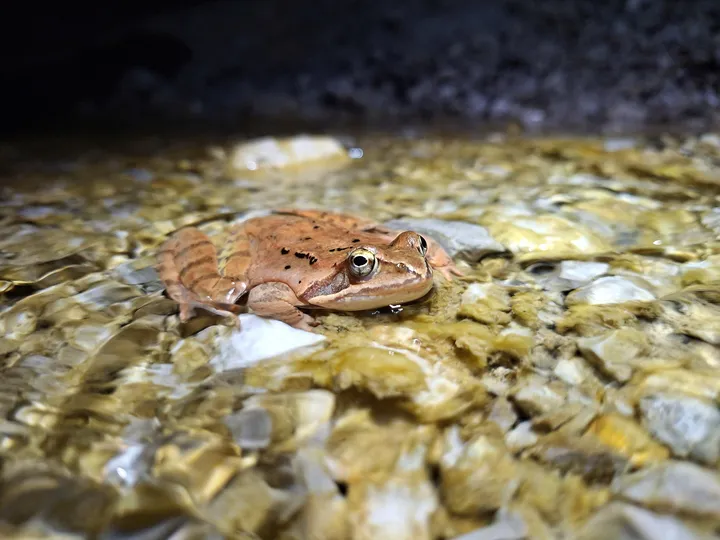
The Importance of Amphibians for Humans
Amphibians directly affect the quality of human life by reducing the number of mosquitoes and other insects that can transmit diseases or cause agricultural damage. By monitoring their populations, we can indirectly assess the quality of water, soil, and air. Their habitats – wetlands – are also extremely important for people, as they help regulate water fluctuations, mitigate climate change, and reduce the impacts of flooding. In addition, amphibians have significant educational value, as they often represent a child’s first encounter with wild nature and encourage a responsible attitude toward the environment.
Threats to Amphibians
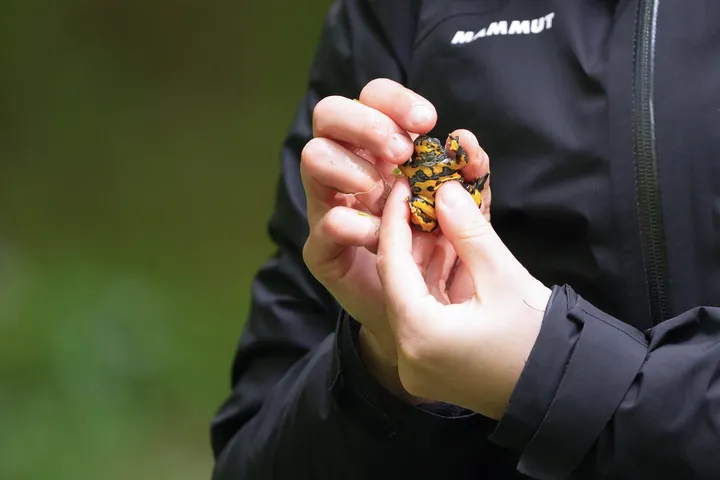
Amphibians are among the most threatened animal groups in the world. The main threats include the loss and fragmentation of habitats due to urbanization, intensive agriculture, and watercourse regulation, habitat degradation, and pollution of water, soil, and air. Climate change also poses a serious threat, as it can affect reproduction and the survival of young individuals. Furthermore, amphibians are endangered by various diseases, one of the most severe being chytridiomycosis (a fungal infection), which has caused mass extinctions worldwide. Road traffic is another major threat.
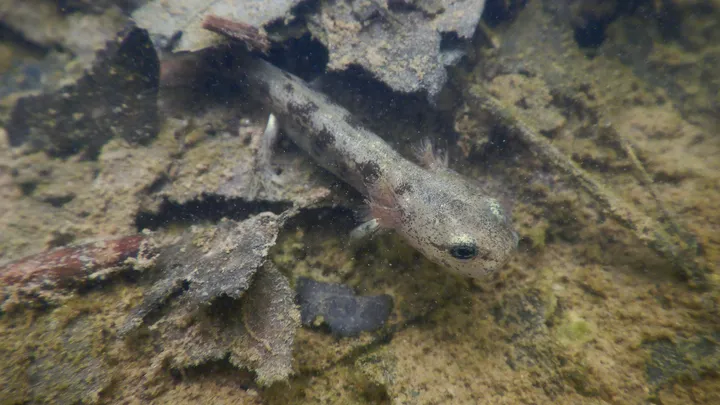
How to Help Amphibians Cross Roads Safely
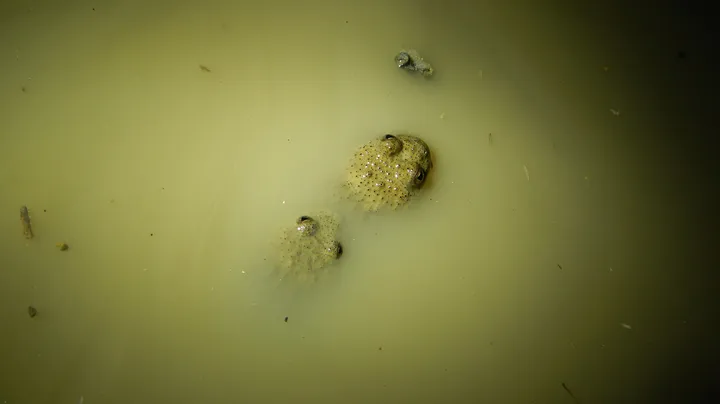
Helping amphibians cross roads is crucial for preserving their populations. Every year during spring migrations, when frogs, toads, salamanders, and newts move toward their breeding sites, thousands of individuals are killed on roads. Such losses are devastating for local populations. Amphibians are strongly faithful to their breeding sites, where they themselves developed from tadpoles, and they usually return to the same places every year. Therefore, they cross roads at the same sections each spring, along their migration routes between wintering areas and breeding sites.
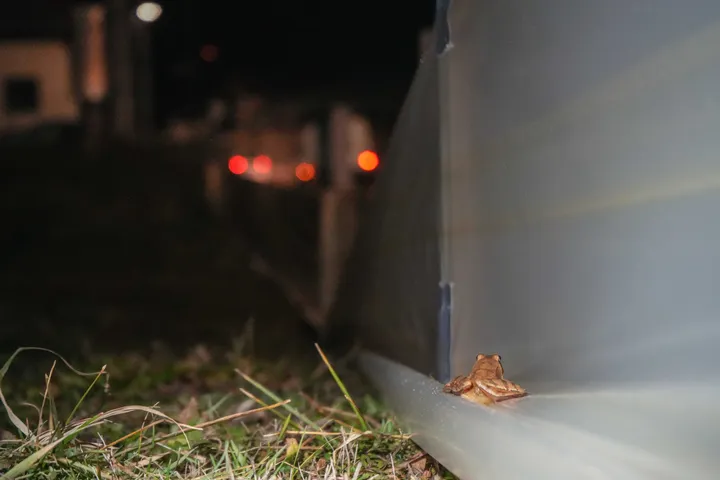
By manually carrying amphibians across roads, installing temporary protective fences, or constructing permanent underpasses, we can prevent their deaths and maintain stable populations. In doing so, we protect individual animals, preserve natural balance, and contribute to the health of ecosystems on which the quality of human life also depends. Every rescued frog or toad represents a contribution to biodiversity conservation and the stability of nature.
On our very special piece of the world, the main problem is the heavily trafficked regional road Cerknica–Grahovo, which runs directly through areas where amphibians massively cross the road during spring migrations on their way to breeding sites. Amphibians make the same journey in the second half of the year, especially in autumn, when they return from breeding sites to forests and other terrestrial habitats where they live and overwinter.
Due to dense traffic, fewer than one third of all amphibians manage to cross the road safely, which in the long term leads to population decline and local extinction. According to expert estimates, the once numerous amphibian population in the Slivnica area could completely disappear within the next 10 to 15 years if we do not actively help.
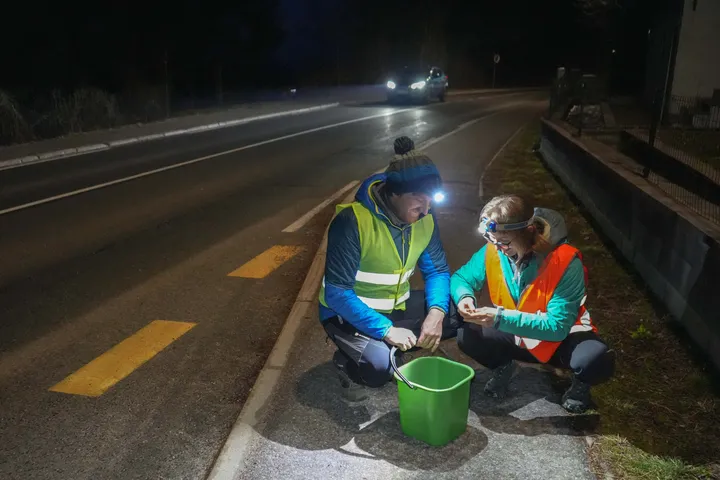
How Can You Help?
- Slow down to 50 km/h on critical sections of the Cerknica–Grahovo road. Your travel time will increase by only about one minute, while amphibians will be able to reach their breeding sites safely.
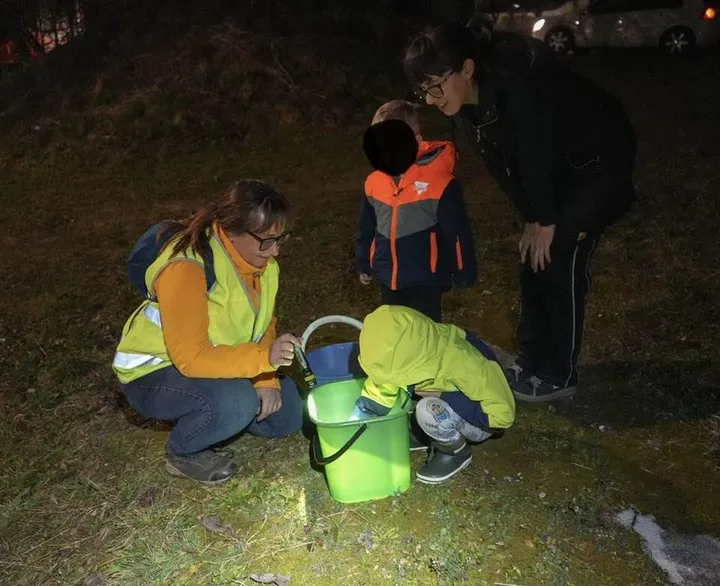
- Join amphibian rescue actions organized by the initiative Varuhi dvoživk Cerkniško jezero (“Cuprnške žabe”). More information and contact: www.cuprnske-zabe.si.
With simple but effective measures, you can directly contribute to the conservation of amphibians and the natural heritage of the mystical land of Lake Cerknica, one of the most important habitats for these endangered species in Slovenia.