Migratory species return to our region in spring, but for animals that spend the winter here, dry and juicy fruits become the main food source in the cold season. In addition, the colorful fruits—and before them, the blossoms—of wild shrubs and some trees also delight the human eye.
Seeds of herbaceous plants, such as grasses, are of course also essential, but here we focus on woody species with large, colorful fruits.
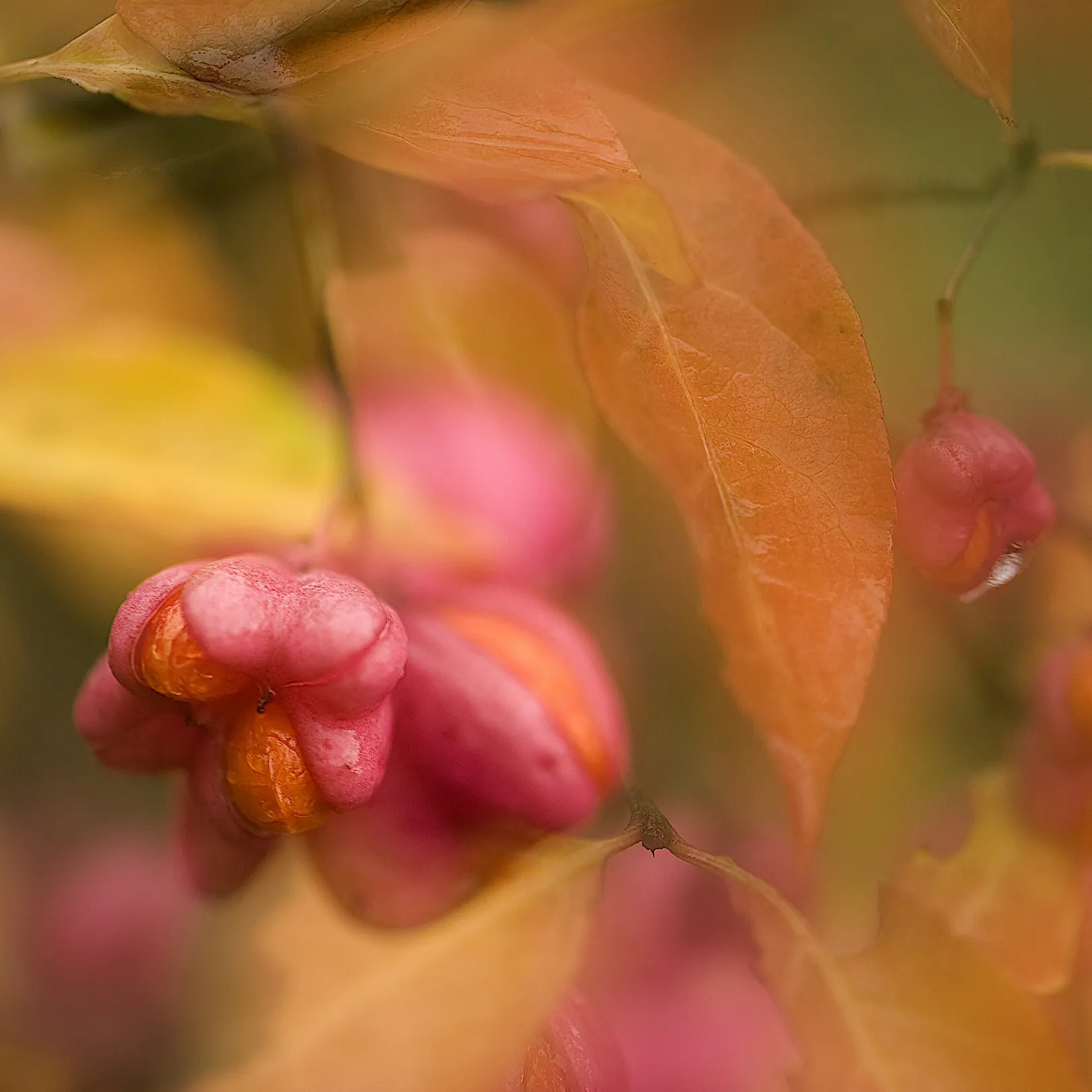
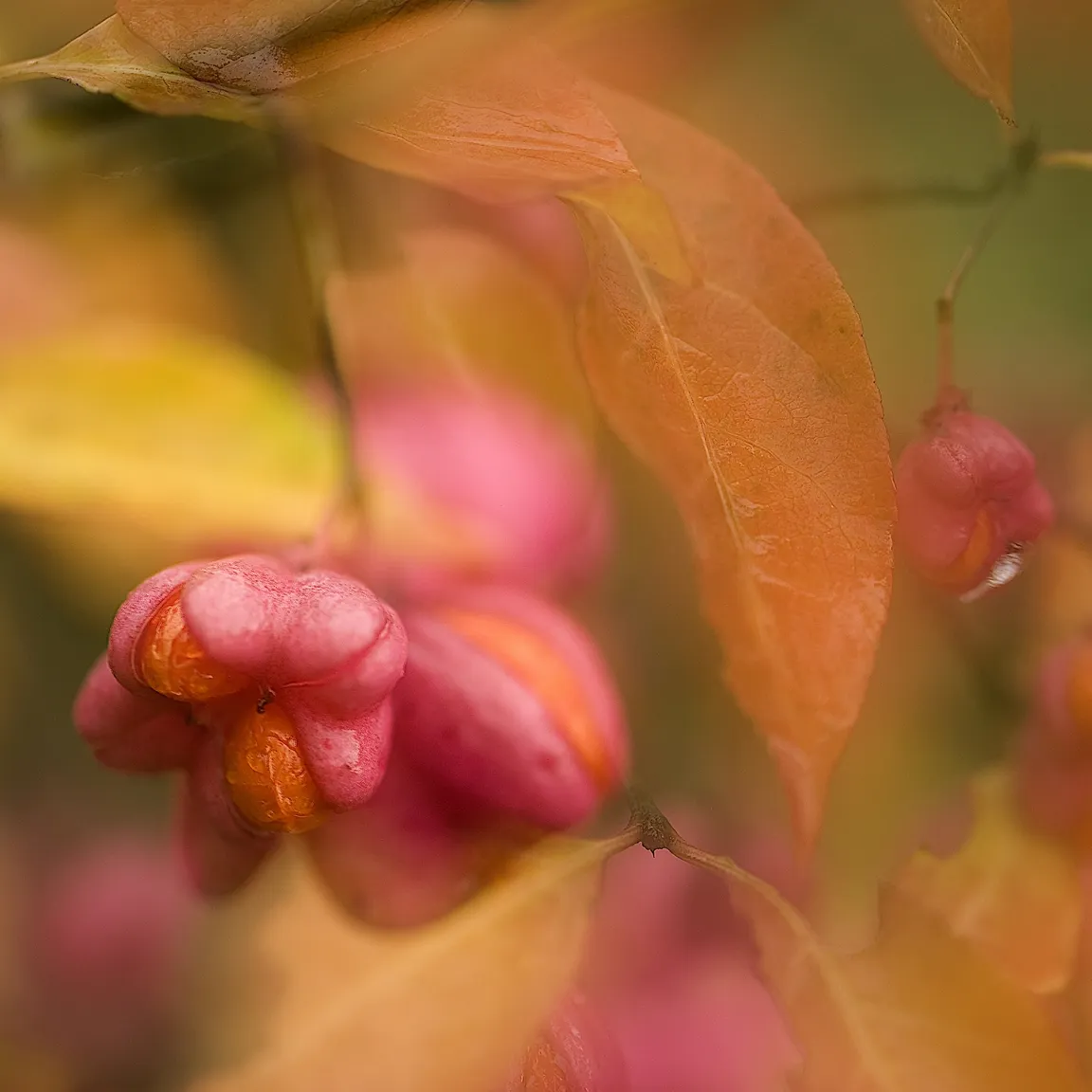
European spindle (Euonymus europaea) dresses in bright autumn colors, bringing warmth to hedgerows and attracting birds with its fruits, also known as “bishop’s caps.” Warning: the spindle is poisonous to humans!
For wildlife, energy-rich fruits that ripen in autumn are vital for survival, as animals accumulate fat reserves to endure harsh winter conditions. The number of individuals that survive until spring largely depends on the abundance of these fruits and seeds.
The benefit is mutual: animals help plants spread. The colorful, tasty seed coats of species such as blackthorn, cornelian cherry, wild cherry, and barberry attract birds and other animals. While the flesh is digested, seeds travel intact through the digestive tract and are deposited far away—sometimes kilometers—from where they were eaten. Some, like juniper seeds, must even pass through a bird’s digestive system to germinate at all.
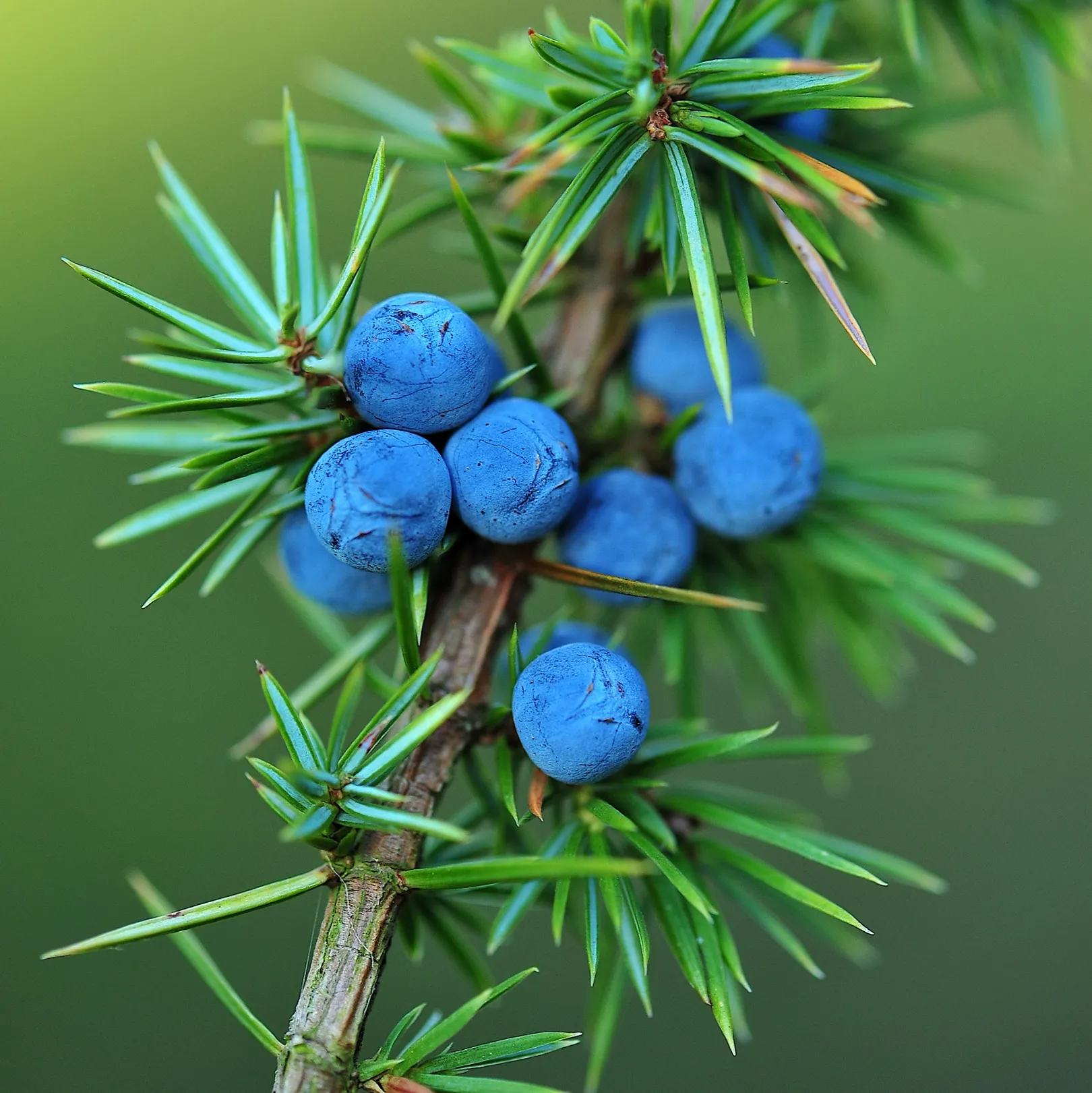
Common juniper (Juniperus communis) with its evergreen needle-like leaves and berries decorates sunny gardens year-round and provides shelter and food for native wildlife.
Woody species on forest edges or in hedgerows enrich rural landscapes. Planting them around homes creates hedges alive with flowers, later fruits, and visits from birds, hedgehogs, squirrels, even foxes and martens. Once hedges grow dense, many birds also nest there.
European robin (Erithacus rubecula) hunts insects in summer but survives winter thanks to plant food.
Native shrubs thrive here, tolerate pruning well, and make resilient hedges. But some species, like holly and yew, are protected in Slovenia and must not be taken from the wild.
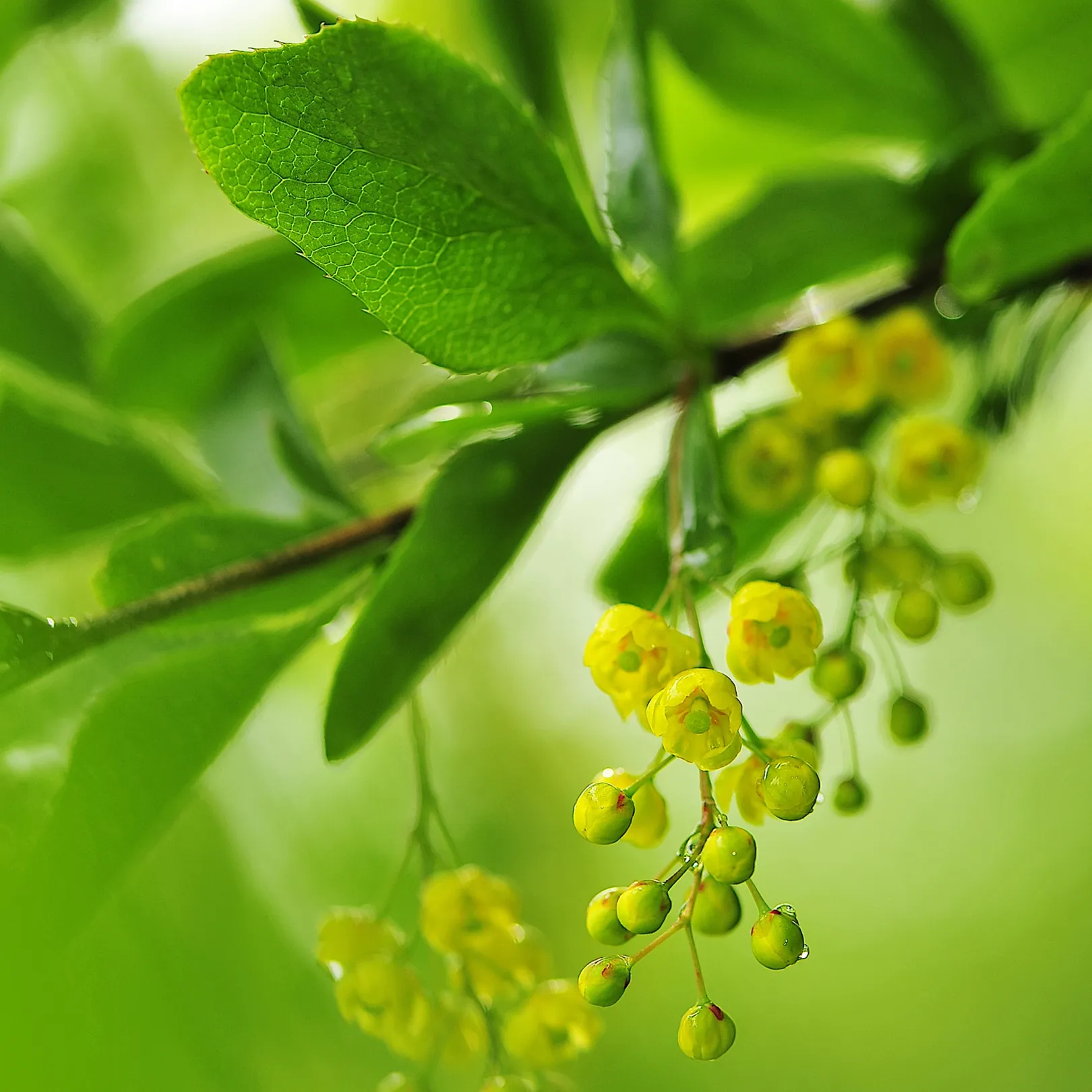
Finally, common barberry (Berberis vulgaris), up to three meters tall, defends itself with thorns and displays clusters of bright yellow flowers that turn into oval red fruits beloved by birds. While toxic to humans when unripe, its ripe berries have traditional uses in food and folk medicine.
Blackthorn (Prunus spinosa) is a strongly thorny shrub that blooms profusely in early spring, even before its leaves emerge. Its almost black fruits, covered with a bluish coating, ripen in autumn. They lose their distinct astringency only after frost. Blackthorn prefers moderately nutrient-rich, well-drained soils, especially in sunny locations.
The seeds of blackthorn are poisonous to vertebrates, but the juicy part of its fruit is highly versatile – used for making spirits and jams, as well as in traditional medicine, where it has been applied to ease a wide range of health problems. Blackthorn fruits also appear on the menu of various animals and are particularly favored by finches and thrushes.
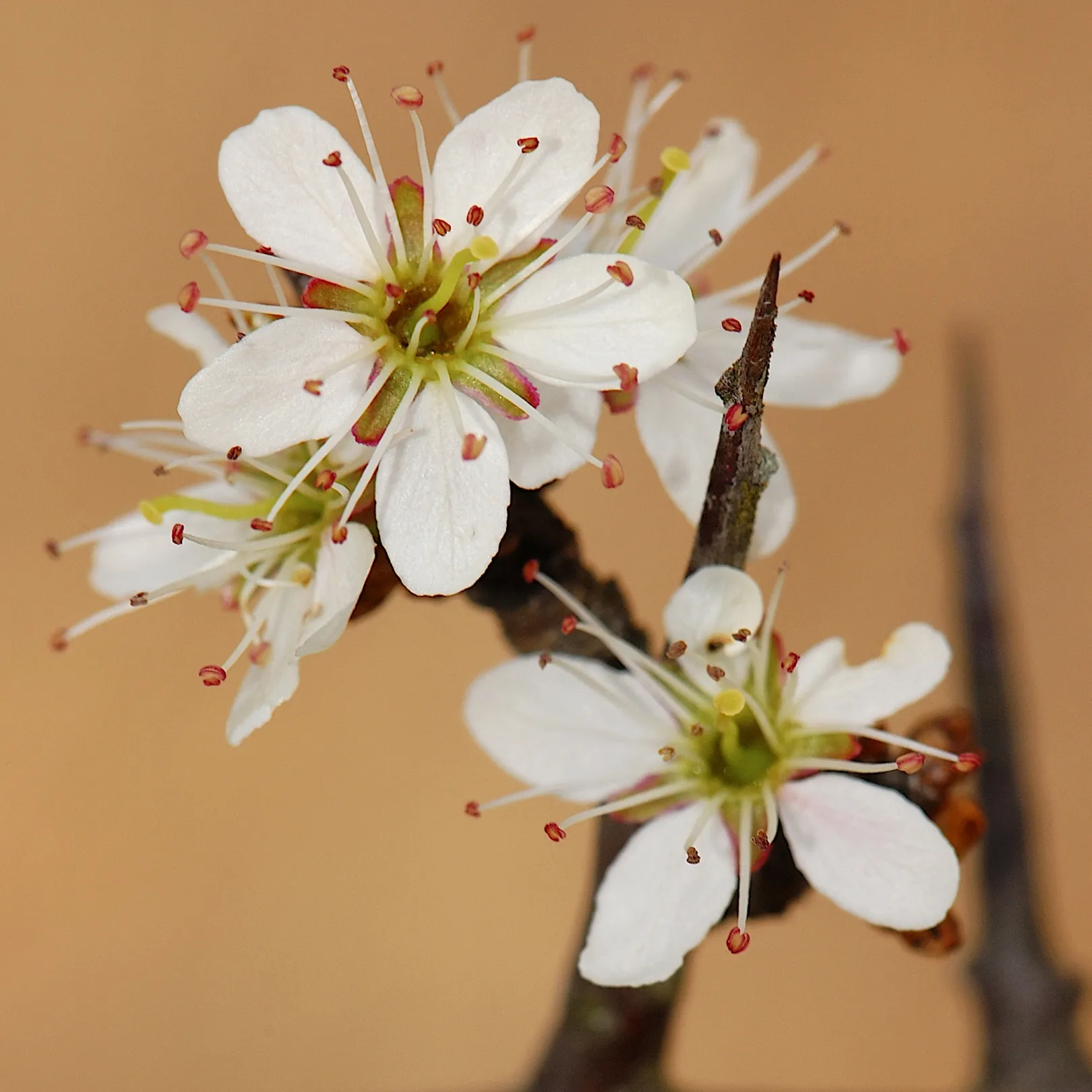
In spring, blackthorn (Prunus spinosa) is covered with snow-white blossoms that sweetly attract insects from far and wide. If we look closely at its flower, we can see that it closely resembles the blossom of a cherry or a plum … which is why these species are all classified in the same genus – Prunus. The genus itself has no Slovene name, since each species carries its own unique one.
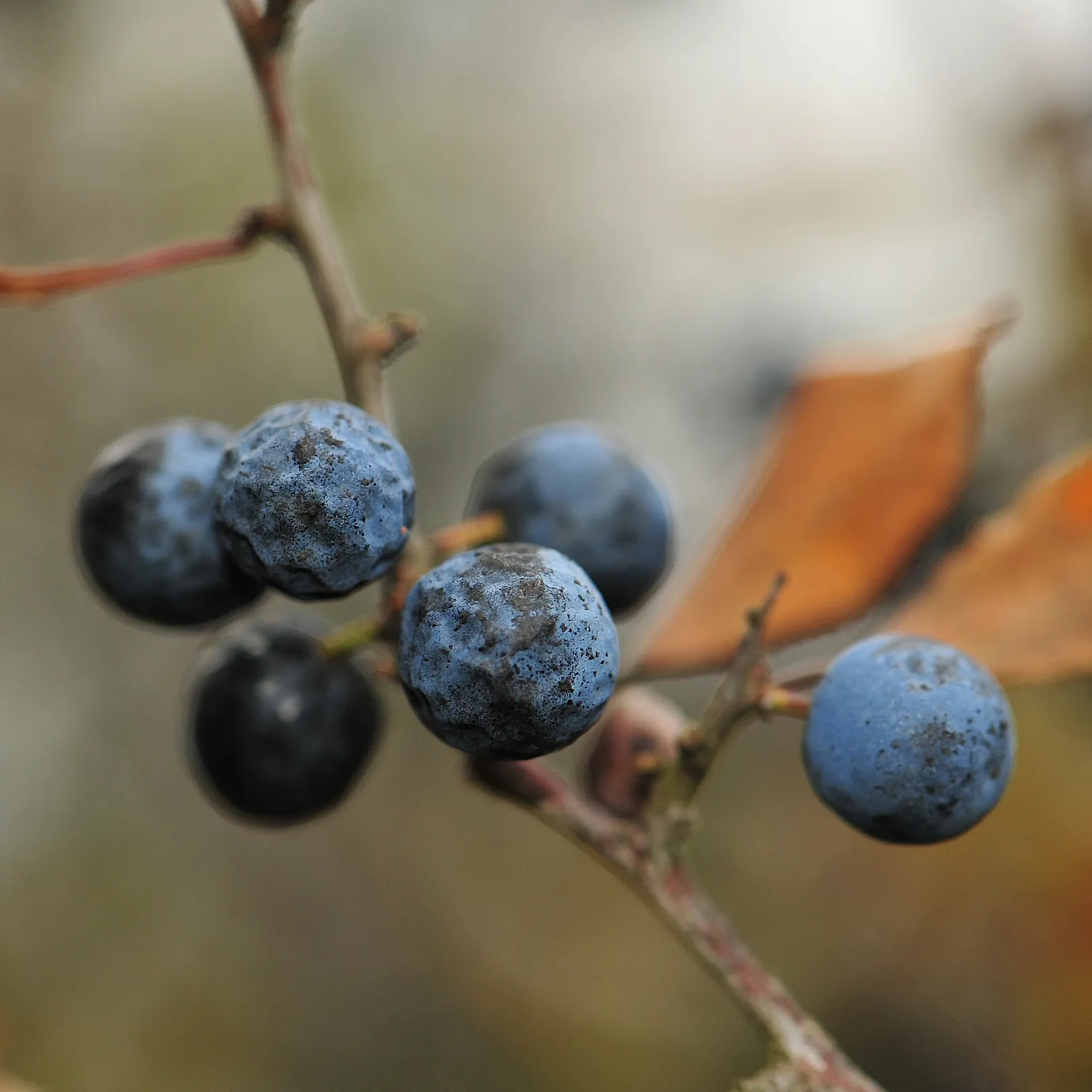
Blackthorn (Prunus spinosa) bears stone fruits that are extremely astringent until frost transforms the compounds responsible for the bitterness into substances more palatable to the human taste.
Wild roses (Rosa spp.) are the ancestors of cultivated roses and, as such, are far more valuable to wildlife than garden cultivars. Several species of wild roses grow in the Notranjska Park area, all characterized by thorns of various shapes growing from their branches. They bloom here in late spring and summer, with their fruits ripening in autumn. Thanks to their high content of vitamin C and other vitamins, minerals, tannins, and pigments such as flavonoids and carotenoids, rose hips are cherished by both people and animals alike.
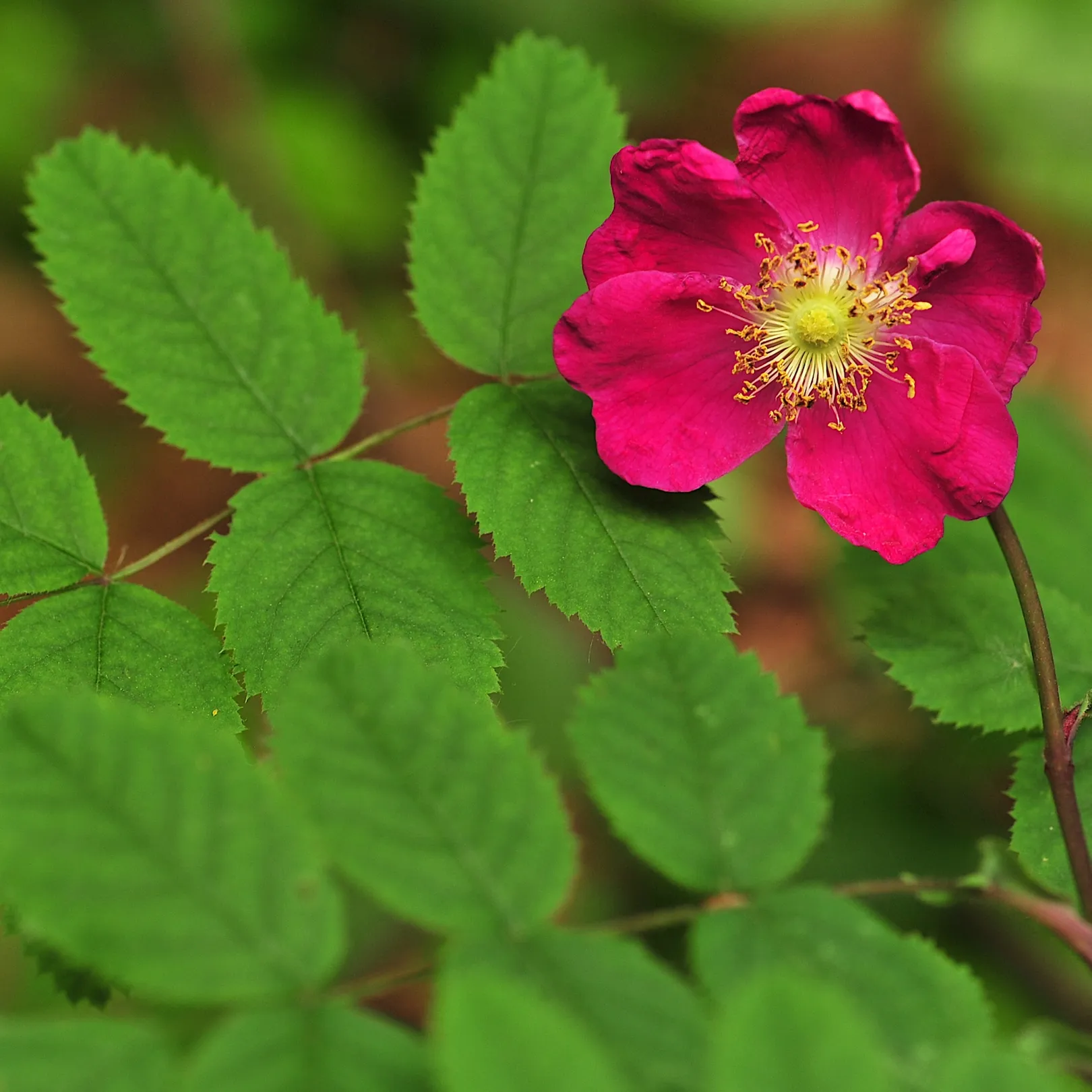
The Alpine rose (Rosa pendulina) is a woodland species of wild rose, which is why it thrives well in hedgerows in shaded spots or beneath a broad-canopied tree. Its cyclamen-red blossoms are far more useful to wild bees and other pollinators than cultivated roses, whose multiplied number of petals makes access to nectar more difficult.
Guelder-rose (Viburnum opulus) is a relative of elder, so it is no surprise that in late spring it is richly adorned with white flower clusters. These are particularly interesting, as the fertile flowers in the center of the cluster – from which the bright red fruits later develop – are inconspicuous, while the outer sterile flowers, with their greatly enlarged petals, give the inflorescence its attractive appearance. This shrub grows best in moist, nitrogen-rich soils in sunny locations. The flowers are a rich source of nectar, eagerly visited by honeybees, while the ripe fruits are valued by birds and other animals. Guelder-rose is also known in folk medicine and as a food source. However, both unripe and ripe (red) fruits are mildly poisonous, and should therefore not be consumed by children or sensitive adults!
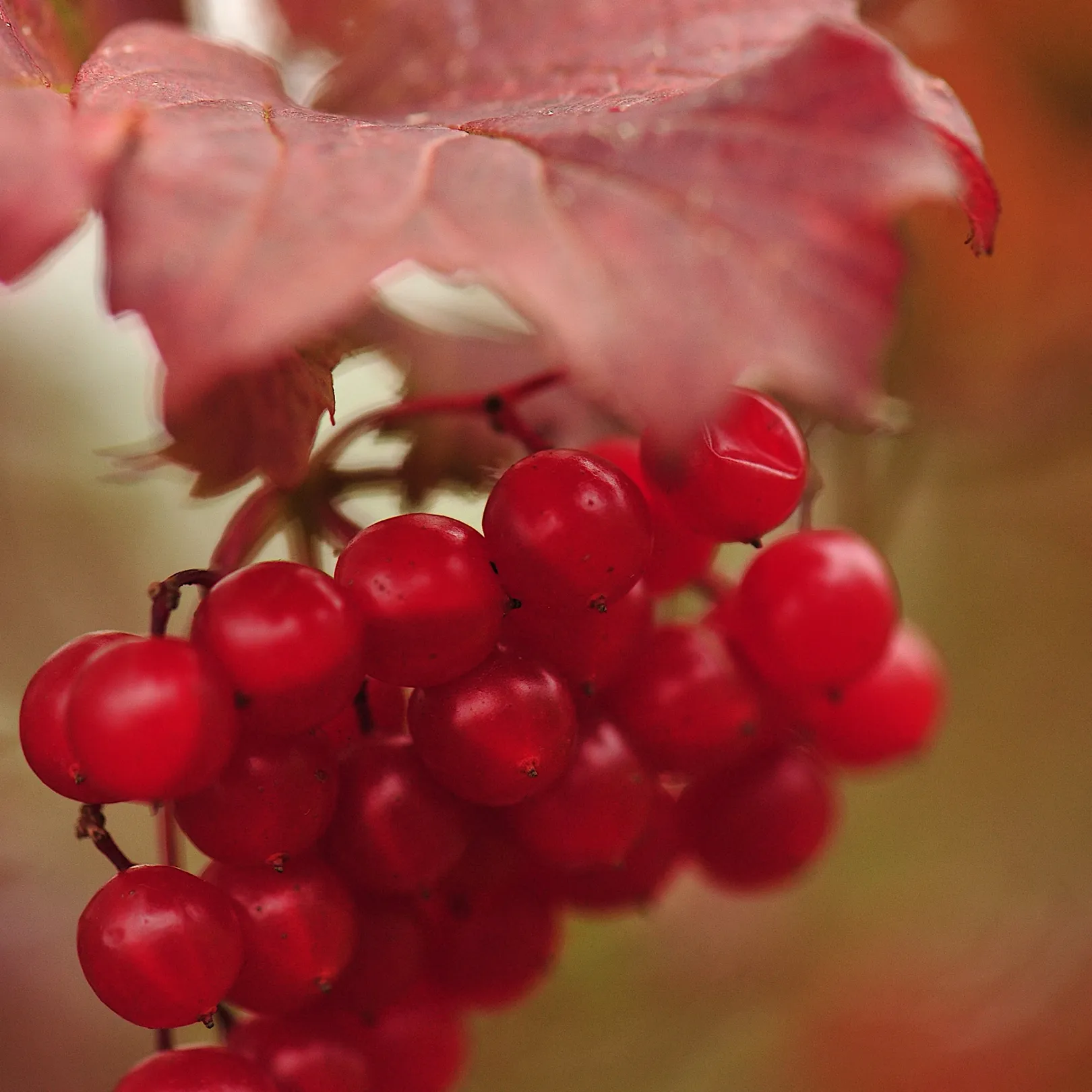
Like many shrubs whose fruits are favored by birds, the ripe fruits of the guelder-rose (Viburnum opulus) are bright red—highly visible to birds. But just as not all that glitters is gold, not all that is red is edible—so approach foraging and eating wild foods with seriousness and caution!
The cornelian cherry (Cornus mas) is a shrub or small tree that thrives in warm, sunny locations on moderately nutrient-rich, basic soils, though it also tolerates spring frosts well. Its spherical clusters of yellow flowers bloom early in spring, before the shrub leafs out, and provide an important early food source for both honeybees and wild bees and bumblebees. Its elongated oval fruits do not turn red until autumn—hence the story about the often-bent posture of the cornelian cherry.
According to legend, one spring a fox tricked a hungry bear into waiting under a cornelian cherry bush for its fruits, since the bush was the first to flower… But by midsummer, the famished bear lost patience and trampled the shrub beneath which it had been waiting.
The cornelian cherry is popular not only with insects—its fruits are also relished by birds and mammals, including humans, who value their nutritional qualities as well as the usefulness of its tough wood, once used to make wagon wheel spokes, rake teeth, and other tool parts.
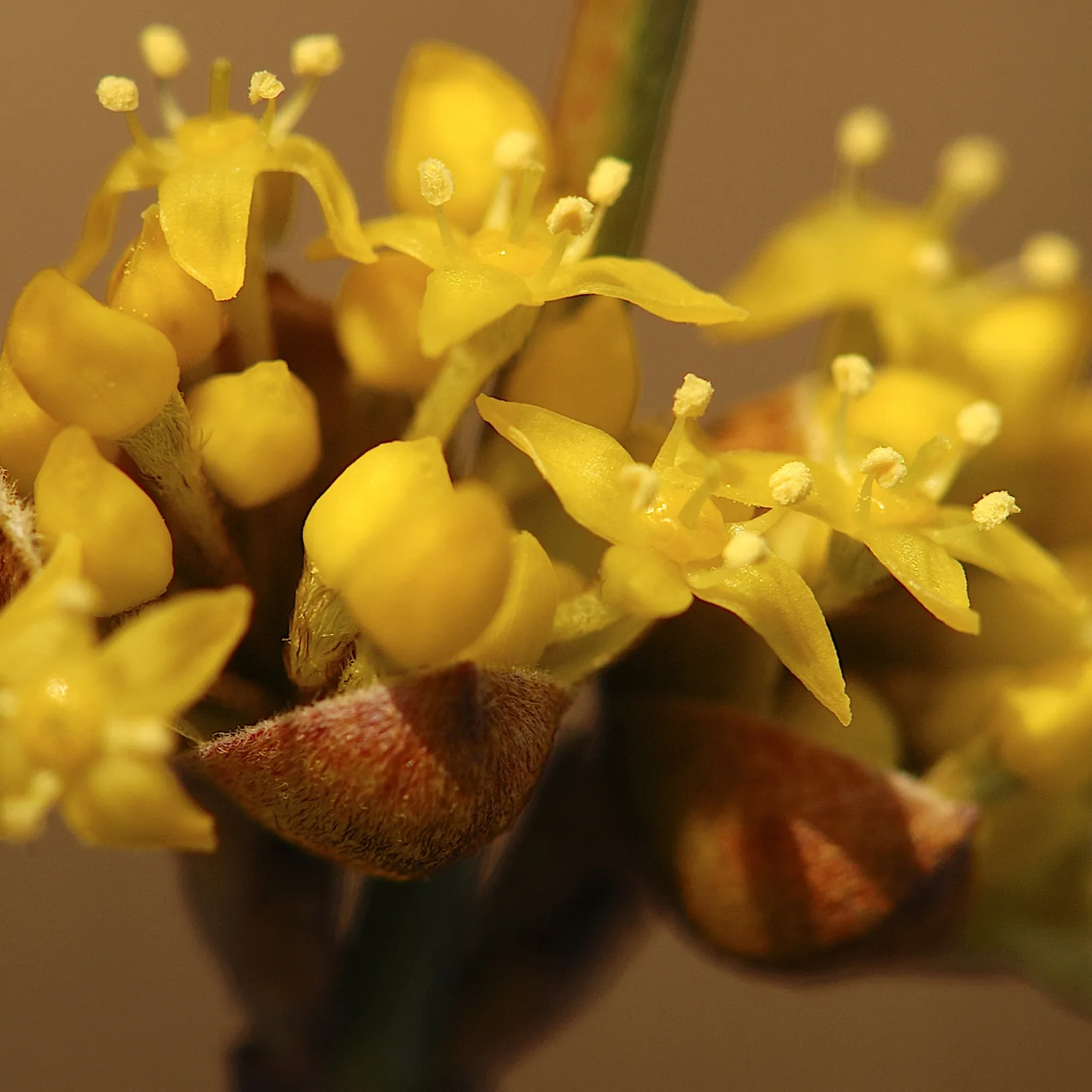
The cornelian cherry (Cornus mas) is one of the shrubs that bloom in spring before leafing out, which makes its bright yellow flowers stand out even more—and it is immediately clear to everyone where the plant’s Slovene name comes from.
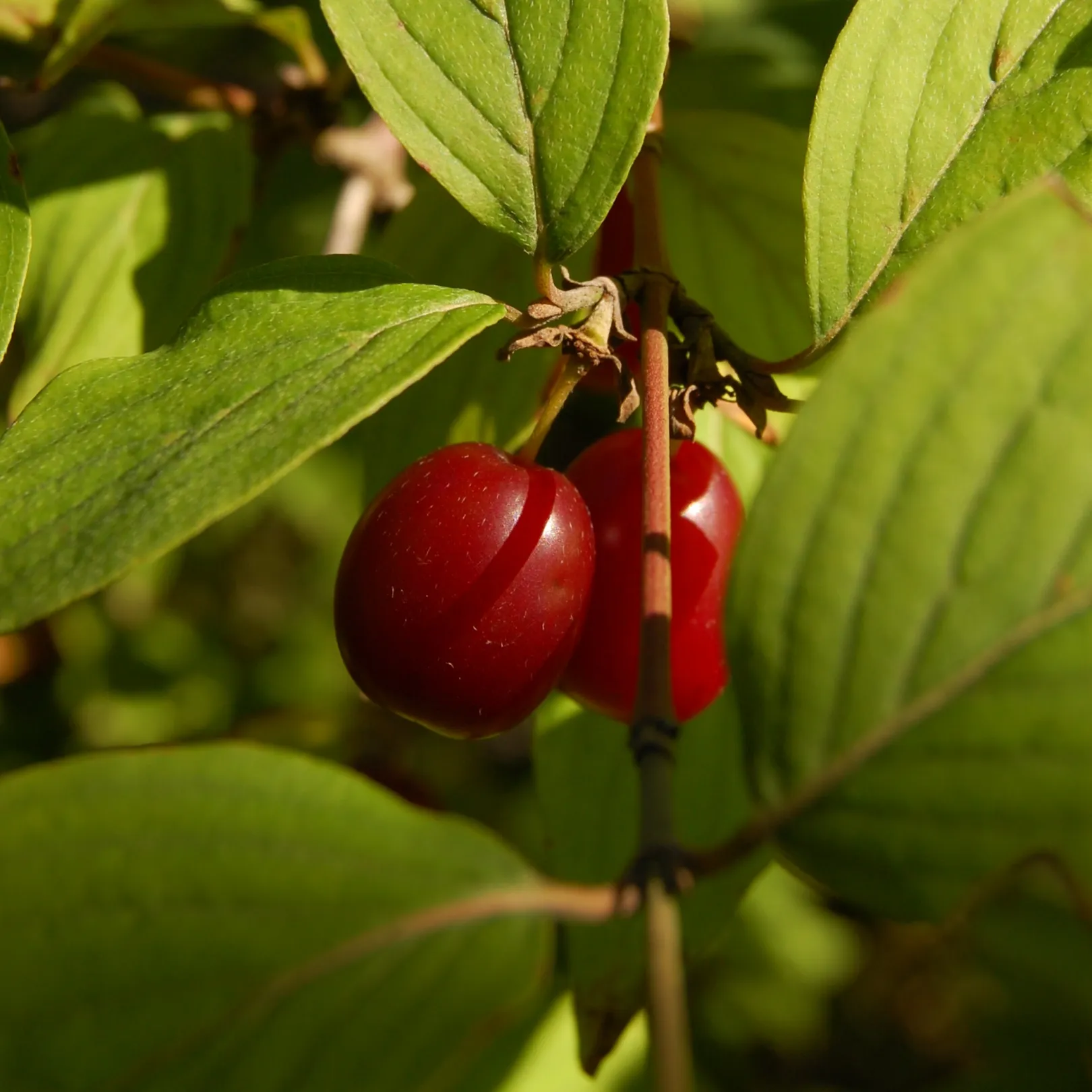
The fruits of the cornelian cherry (Cornus mas), called drnulje in Slovene, turn dark red when ripe. They contain twice as much vitamin C as lemons, along with many other beneficial minerals and vitamins—so it is no wonder they are so popular among both animals and people. Interestingly, the ripe fruits of our other native dogwood, the common dogwood (Cornus sanguinea), are blue-black in color.
The common hawthorn (Crataegus monogyna) is another profusely flowering shrub or small tree from the rose family, which also includes the best-known fruit trees such as apples, pears, and plums, as well as berries like raspberries, blackberries, and strawberries. Hawthorn covers itself with white blossoms in late spring and dresses in red fruits in autumn. It thrives best in sunny places on well-drained, basic soils that are moderately rich in nutrients. Its flowers are much visited by bees, and various parts of the plant have long been used to ease a multitude of ailments. In addition, its fruits are cooked into jams and alcoholic drinks.
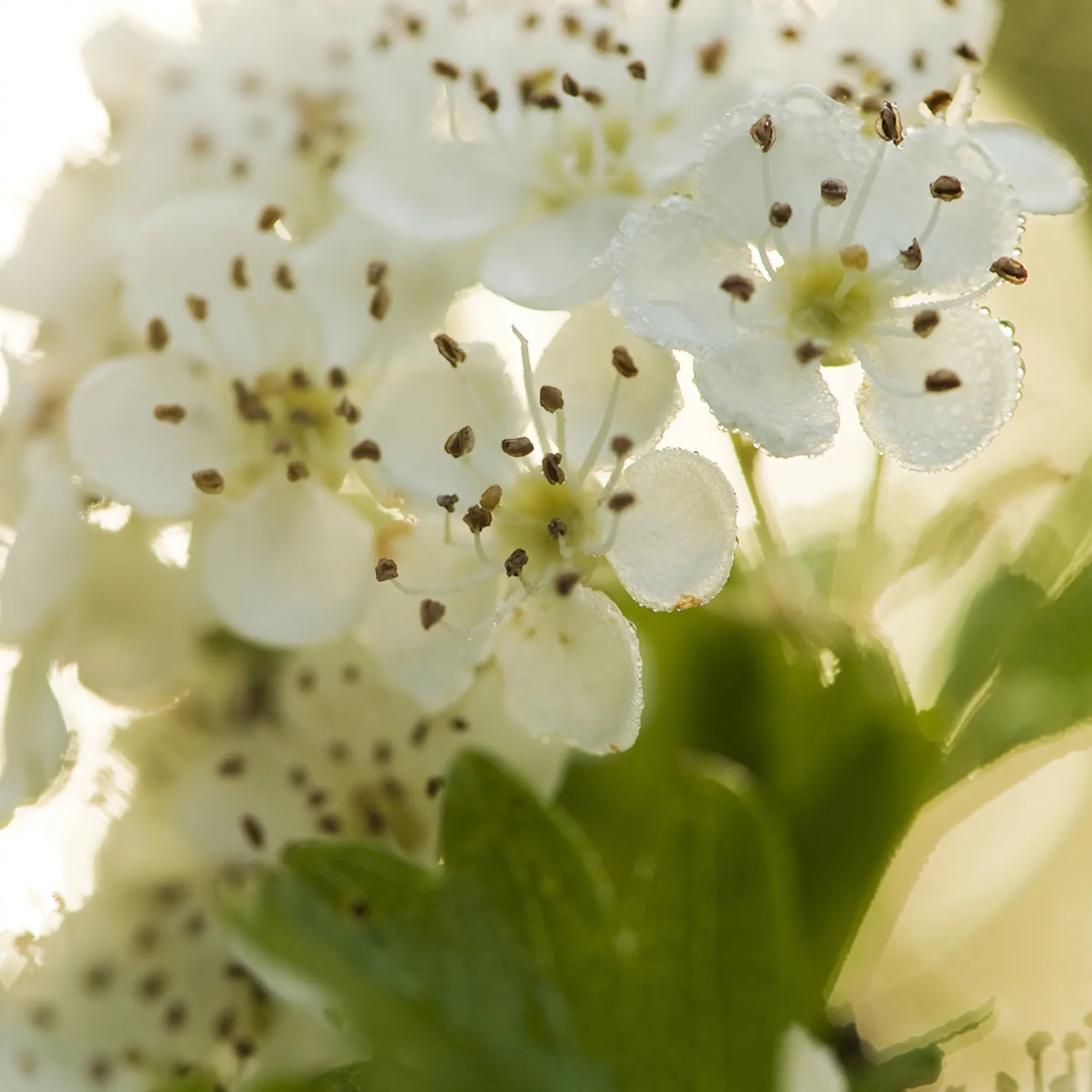
The common hawthorn (Crataegus monogyna) is another member of the rose family that enriches the surroundings with its beautiful blossoms. In addition to being a feast for the eyes, hawthorn flowers are full of nectar and therefore provide an important food source for both domestic and wild bees.
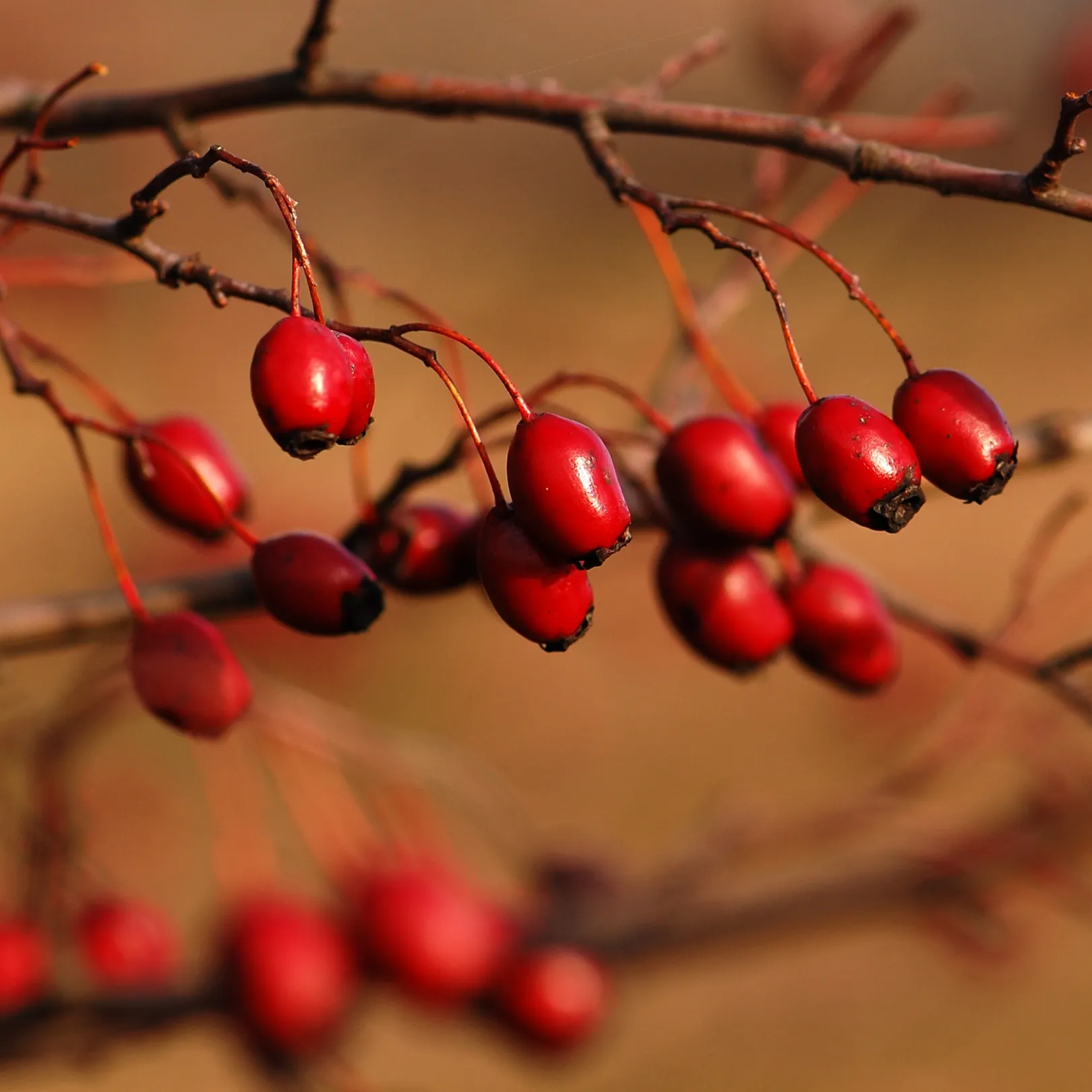
The medicinal properties of the red fruits of the common hawthorn (Crataegus monogyna) have been recognized since ancient times, and modern clinical research has confirmed them. The main active compounds are non-toxic flavonoids, which do not accumulate in the body and therefore cause no harmful effects with long-term use. However, because of the specific nature of hawthorn treatments, consulting a doctor before use is essential! Hawthorn fruits are traditionally used to strengthen the heart, regulate heart rate, and improve cardiac circulation.
In conclusion, we have presented just a few native shrubs that thrive in living hedges. With their presence, a hedge can become not only a home, a refuge, and even a playground for wild creatures, but also something far more vibrant than a simple green boundary between neighboring plots.
Written by Jošt Stergaršek, biologist on the LIFE FOR SEEDS project.