LIFE TRŠCA: Bird censuses in the reed beds have begun

Published: 05. 06. 2026 Author: NRP Categories: Projects

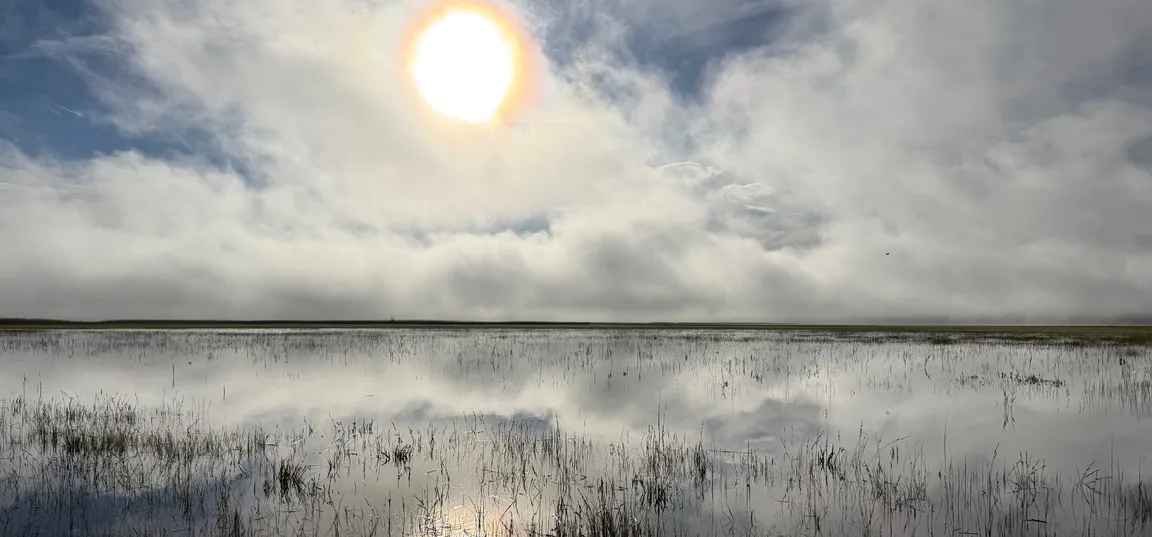
A calm water surface with sparse tufts of grass poking out of the water; a narrow strip of land is visible on the horizon. Above it, a partly cloudy sky with the sun shining brightly, its rays reflecting off the water.
An idyllic, though chilly, morning during the bird census at Lake Cerknica. (Photo: Dejan Bordjan)

In mid-May, within the DOPPS framework of the LIFE Tršca project, we began conducting bird census of reedbeds, now for the third year in a row. Once again, we set out on eight pre-established transects that run lengthwise across Lake Cerknica and often pass through dense reedbeds. Together with water that can reach waist height, these census are certainly not for the faint-hearted. They require both good physical fitness and a good ear. An exception is the transect that runs through most of Zadnji kraj. Based on experience from the past two years, we found that it is better to conduct this census by boat.

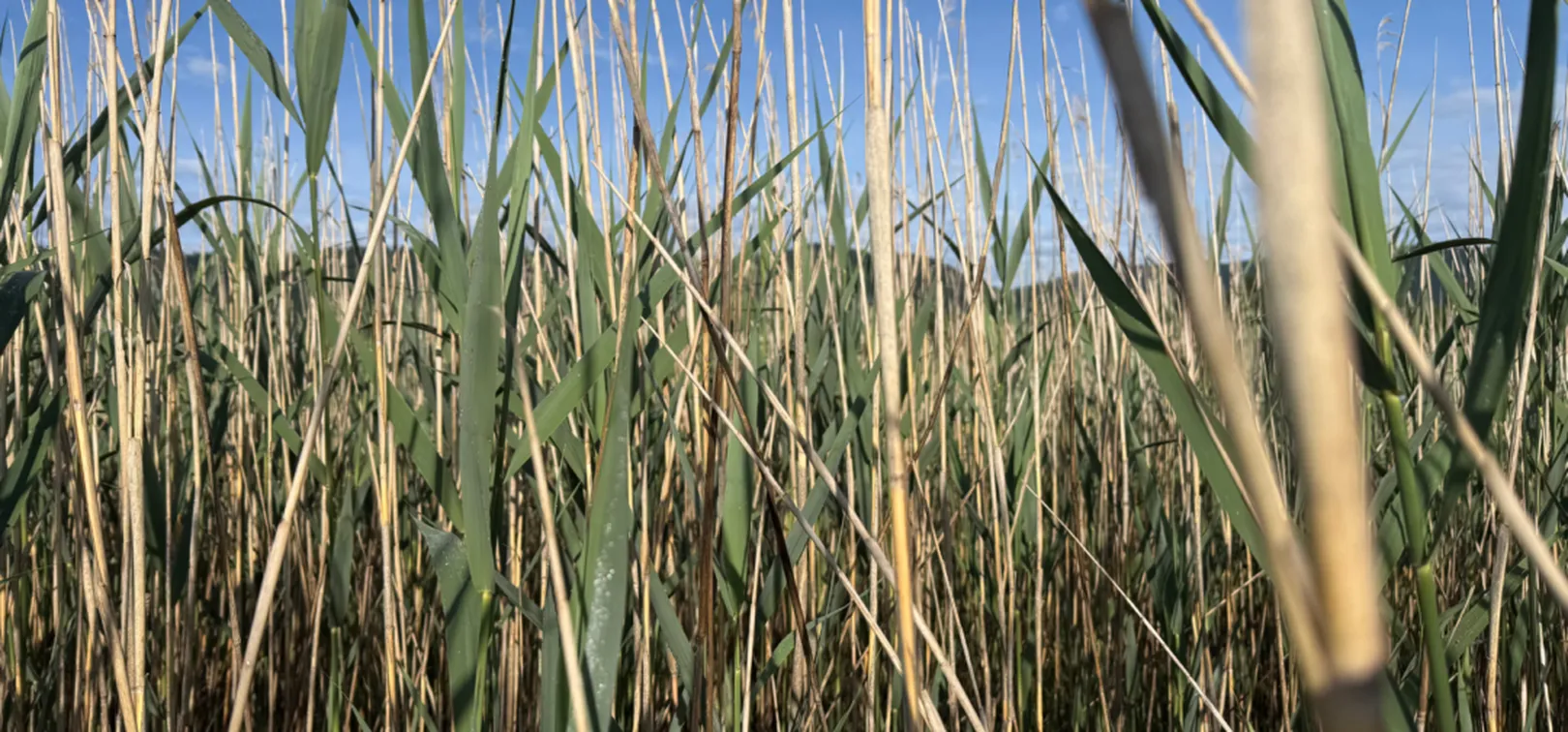
A dense belt of tall, green reeds and dry stalks against a clear blue sky; in the foreground are sharp blades of grass and upright stalks that fill most of the frame.
A view through a dense reed bed. (Photo: Dejan Bordjan)

The first census of this year were carried out during rising water levels brought by heavy rainfall. As a result, despite a dry spring, we had to wade through water while moving through the reeds. Although water is crucial for successful breeding of both waterbirds and reedbed birds, the sudden rise we witnessed can be very harmful to both groups. Water can flood nests that are built too low or even on the ground, as is the case for most waterbirds.

The first data indicate a generally good year for Sedge warblers (Acrocephalus schoenobaenus) and Common reed buntings (Emberiza schoeniclus). On the other hand, there are fewer waterbirds, with Mallards (Anas platyrhynchos) dominating among those observed so far. In the first surveys, the only waterbird species showing clear signs of breeding was the Greylag goose (Anser anser). In Levišča, it attempted to lure the surveyor away from its vulnerable chicks by feigning injury. Among the most interesting observations were encounters with three displaying Common snipes (Gallinago gallinago). The common snipe breeds in Slovenia only at Lake Cerknica anymore, so every encounter suggesting possible breeding is very interesting. Their song is also fascinating, produced with their tail feathers and resembling the bleating of a young goat.

The third year of surveys also means the third completely different hydrological conditions at Lake Cerknica, and thus different survey results. There were fewer than expected of, for example, Eurasian reed warbler (Acrocephalus scirpaceus) and Great reed warbler (Acrocephalus arundinaceus), and we did not observe any spotted Common moorhen (Gallinula chloropus) at all. Once again, it has been shown that it is impossible to predict what kind of season awaits us in advance, and only all completed census will provide the final answer on what impact the drying and refilling of the lake has had.

The contribution was prepared by the Slovenian Society for the Observation and Study of Birds (DOPPS).

LIFE TRŠCA

With LIFE TRŠCA we will improve the conservation status of the intermittent Lake Cerknica.

Nalaganje...
Projects in the Notranjska Park
Logotip notranjskega parka z rastlino in metuljem.

Projects in the Notranjska Park

The implementation of extensive nature conservation projects exceeds the financial capacity of the local community, therefore Notranjska Park regularly applies for projects with the possibility of co-financing by the European Union.

The implementation of large-scale conservation projects exceeds the financial capabilities of the local community, therefore Notranjska Park regularly applies for projects with the possibility of co-financing from the European Union.

Read more
Read more