Most diverse are those hay meadows that are inhabited by the slowly disappearing plants – orchids. Dry meadows are decorated with green-winged, burnt-tip, three-toothed, fly, bumblebee, bee, pyramidal, fragrant and round-headed orchid and autumn lady's tresses. In thicker soil, they are joined by early purple, military, elder-flowered-and long-bracted green orchid. At the edge of the forest and in the bushes, blossom pale-flowered orchid and dark-red, red, white and narrow-leaved helleborine.
On sunny slopes, beech and fir forests are kept company by warm-loving groves of downy oaks and flowering ashes, whereas less-exposed areas are covered with hornbeam forests. There, thrive few additional orchid species: common twayblade, lesser butterfly, greater butterfly and bird's nest orchid, broad-leaved, Mueller's and narrow-lipped helleborine and common spotted orchid.
Marsh helleborines and rarer Lapland marsh orchids are hiding in ravines near upper courses of streams and rivers. As much a third of all orchid species found in Slovenia grow on the Menišija plateau.
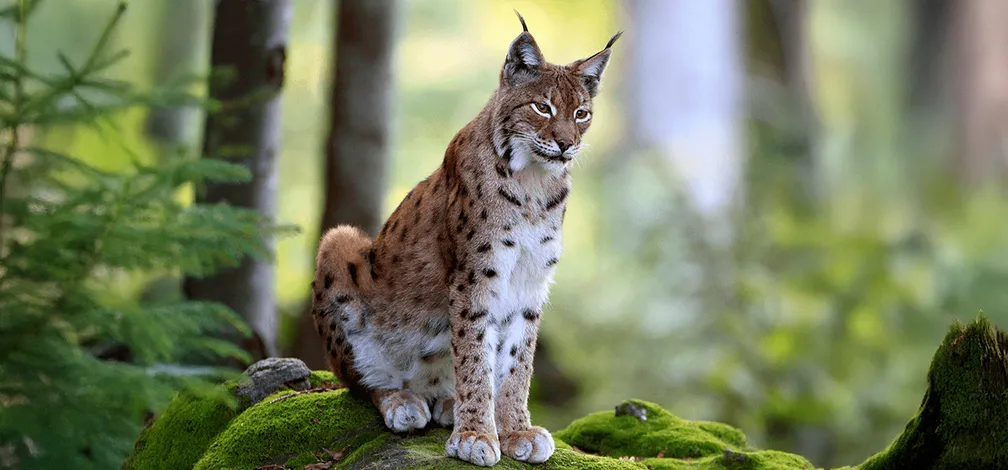
Fauna on the Menišija is remarkably diverse, which is the result of carbonaceous bedrock and great variety of plants. It was the very abundance of animal species that contributed to the inclusion of the plateau in the Natura 2000 Network.
Fauna on the Menišija is remarkably diverse, which is the result of carbonaceous bedrock and great variety of plants. It was the very abundance of animal species that contributed to the inclusion of the plateau in the Natura 2000 Network.
Slopes, plains, forests and vineyards of the Notranjska Regional Park provide a home to many species. Here, among the multitude of widely distributed, yet no less beautiful flowers, thrive 'carnivores', rare, endangered, protected and endemic species.
Slopes, plains, forests and vineyards of the Notranjska Regional Park provide a home to many species. Here, among the multitude of widely distributed, yet no less beautiful flowers, thrive 'carnivores', rare, endangered, protected and endemic species.