Notranjska Park is not only a place of exceptional natural beauty but also a space for scientific research and a responsible attitude toward nature. Among those who work every day to help us better understand natural processes and the lives of animal species is conservation biologist Rudi Kraševec, working on the LIFE TRŠCA project.
Who is a conservation biologist?
A conservation biologist studies the condition of natural environments, with a focus on preserving biodiversity. Their work involves observing, collecting data, and analyzing information about the living conditions of various species. Based on this data, guidelines and measures are developed to protect nature.
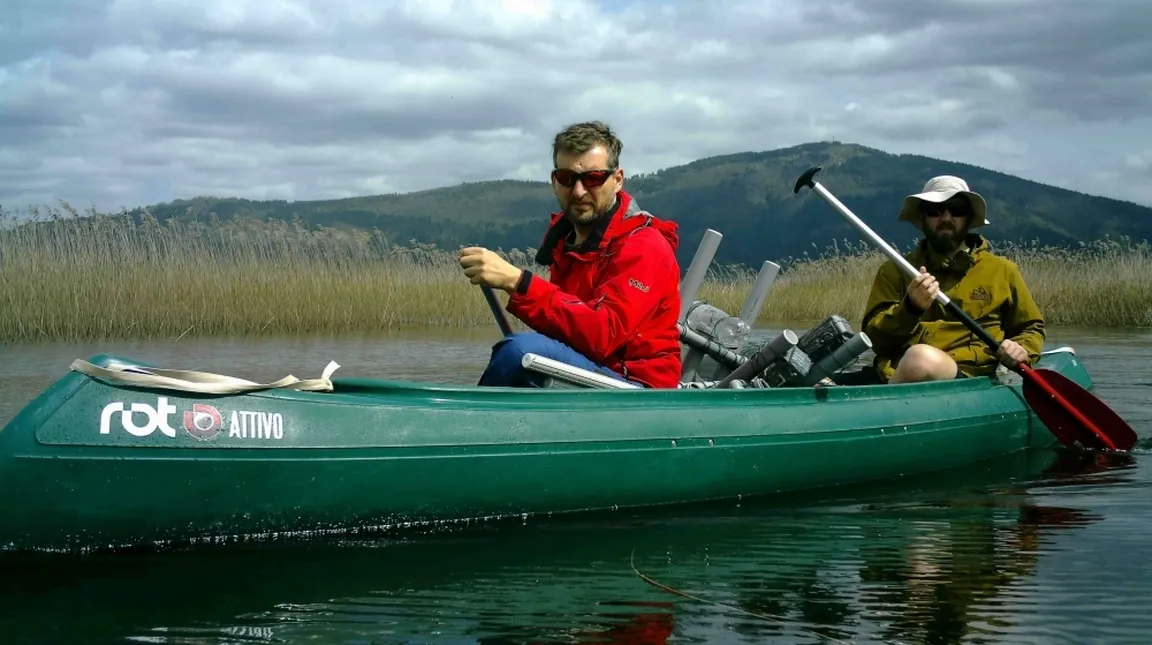
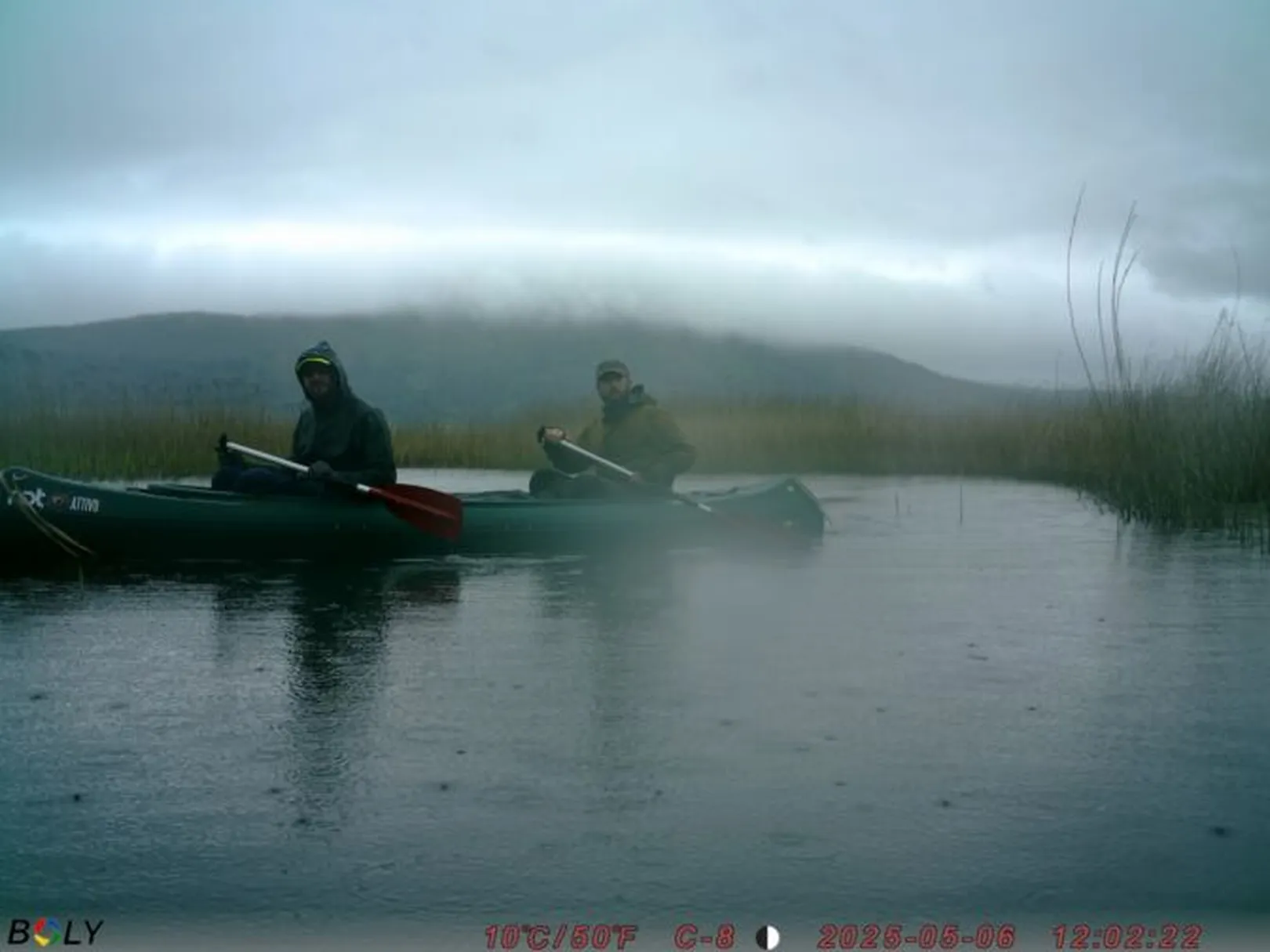
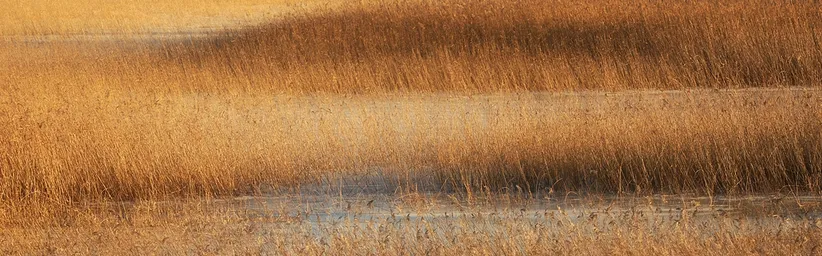
At Notranjska Park, Rudi currently devotes most of his time within the LIFE TRŠCA project to studying birds in the area of Lake Cerknica, monitoring large carnivores, and researching other animal groups. These are sensitive and often endangered species that serve as key indicators of environmental health. If we want these animals to continue living among us in the future, we must understand their needs—and, most importantly, how we can adjust human activities to avoid harming nature.
What does fieldwork look like?
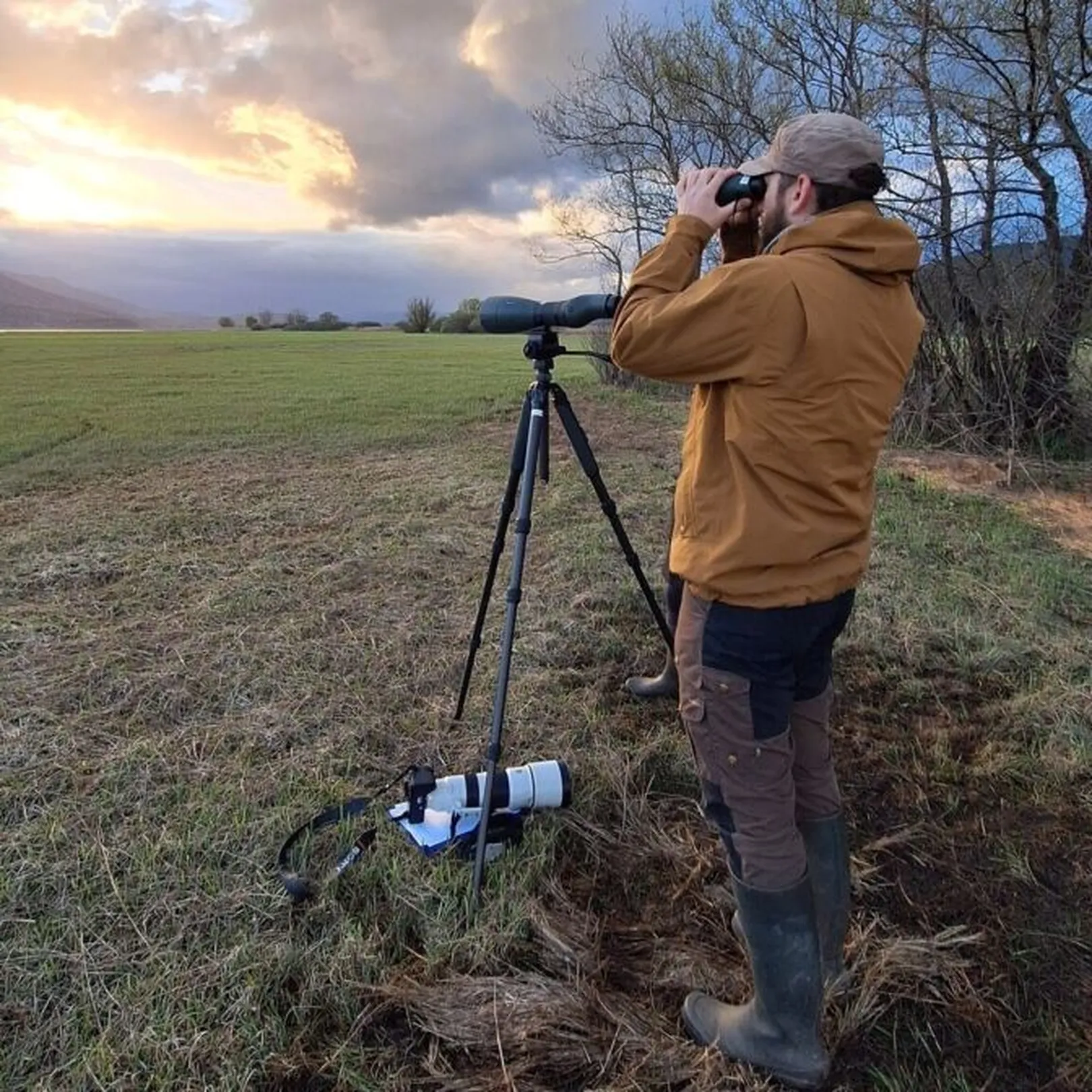
The work of a conservation biologist is largely field-based. This means spending a lot of time outdoors, gathering data, observing animals, and checking the state of their habitats. Tools such as binoculars, spotting scopes, camera traps, and other equipment help observe animals from a distance without disturbing them.
Because wild animals are extremely cautious and generally avoid humans, the biologist must be patient, precise, and quiet in the field. Every movement in nature must be deliberate, as human presence alone can influence animal behavior or even jeopardize their safety.
Preparation for the fieldwork: nothing is left to chance
Fieldwork preparation begins at home – by checking the weather forecast, planning the route, and selecting the right equipment. Even in summer, long clothing, a hat, sun protection, and enough water and food are essential due to ticks, sun exposure, and dense vegetation. Various tools should also be taken along: field guides for species identification, notebooks, spare batteries, GPS devices, or other instruments.
Every field trip is also an opportunity for new discoveries – about animals, their habits, environmental changes, and how human activity affects them.
Don't just observe nature – Experience it with respect
A key message of conservation biology is that nature should not be seen as something that exists merely for our enjoyment. Every step into nature is an entry into the home of other creatures. If we want to preserve this nature for future generations, we must experience it respectfully: stick to marked trails, avoid disturbing animals, leave no trace, and take nothing but memories.
Rudi’s work is a great example of how science and a love for nature go hand in hand. Each new insight gained through fieldwork helps develop better solutions for conserving the natural wealth of the Notranjska Regional Park.
This topic – how to explore, experience, and respect nature – was also discussed in the youth television show Krompir, aired on Saturday, May 31, on RTV SLO 1. Rudi Kraševec participated in the show, together with the hosts and other guests. You can watch the full episode at the following link: https://365.rtvslo.si/arhiv/krompir/175136090
LIFE TRŠCA
With LIFE TRŠCA we will improve the conservation status of the intermittent Lake Cerknica.
The implementation of extensive nature conservation projects exceeds the financial capacity of the local community, therefore Notranjska Park regularly applies for projects with the possibility of co-financing by the European Union.
The implementation of large-scale conservation projects exceeds the financial capabilities of the local community, therefore Notranjska Park regularly applies for projects with the possibility of co-financing from the European Union.