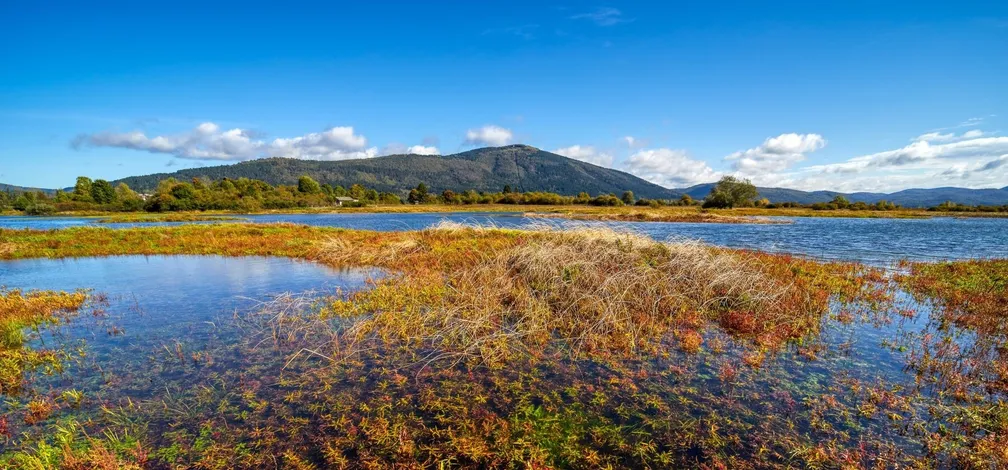
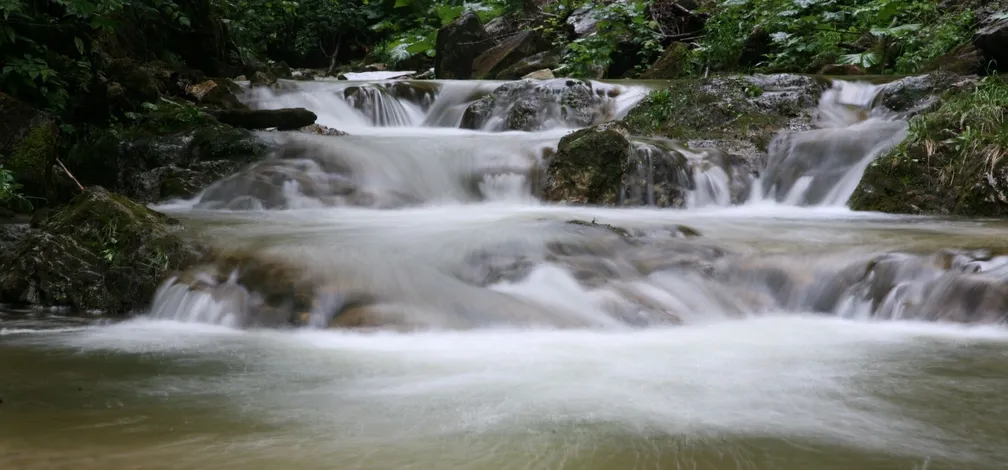
The lake spreads over Cerknica plain when the inflow is greater than the outflow. It is filled up in two or three days by heavy autumn rain, whereas in springtime the inflow is affected also by melting snow. Water flows to Lake Cerknica underground from the Bloke and Vid plateaus, the Lož valley and from beneath the Javorniki hills. The only surface tributary is the Cerkniščica stream.
Outflow of water
The outflow of water is a slower process. The lake, during periods without rainfall, dries up in three to four weeks. All water from the lake drains into the underground, therefore the outflow of Lake Cerknica is entirely karstic, and Cerknica plain is a typical karst plain (polje).
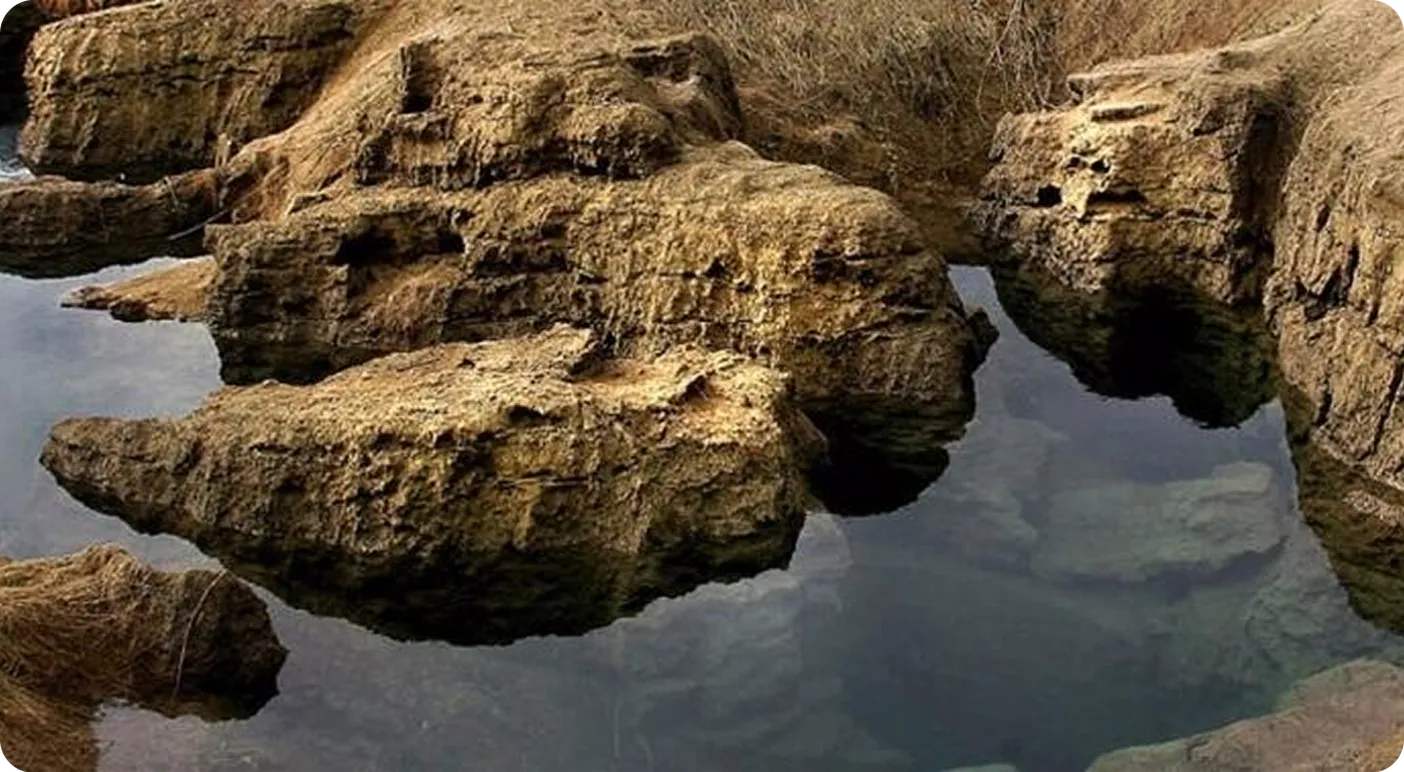
Underground outflow of water is complex. Lake Cerknica is a geological watershed and water from it drains to two sides. Part of the water drains through swallow holes in the Jamski zaliv cove and surfaces in the picturesque karst valley Rakov Škocjan as the Rak River. The other part of the water from Lake Cerknica drains through sinkholes, swallow holes and estavels in the lake basin directly into the springs of the Ljubljanica river at the edge of the Ljubljana Marsh.
The largest surface area of Lake Cerknica:
26 km²
The largest volume of Lake Cerknica:
up to 80 million m³
Surface area of Lake Cerknica (normal water level):
The intermittent Lake Cerknica is a true magnet for birds. So far, more than half of all European bird species have been observed in this area. The ever-changing landscape creates unique opportunities to observe these animals in their everyday activities throughout the year.
The intermittent Lake Cerknica is a true magnet for birds. So far, more than half of all European bird species have been observed in this area. The ever-changing landscape creates unique opportunities to observe these animals in their everyday activities throughout the year.
Fish have attracted people to the shore, ponors and sinkholes of Lake Cerknica since prehistoric time, but beasts and flocks of birds feasted by the drained lake long before the first humans.
Fish have attracted people to the shore, ponors and sinkholes of Lake Cerknica since prehistoric time, but beasts and flocks of birds feasted by the drained lake long before the first humans.
Lake Cerknica hosts the tiniest snail and the strongest bear. And everything in between. The life here, with its diversity, has long attracted naturalists and nature lovers, and each time offers something new, something yet unseen.
Lake Cerknica hosts the tiniest snail and the strongest bear. And everything in between. The life here, with its diversity, has long attracted naturalists and nature lovers, and each time offers something new, something yet unseen.
Are there plants that 'eat' animals? Yes. The intermittent Lake Cerknica is home to three species of 'carnivorous' plants – intermediate bladderwort, bladderwort and oblong-leaved sundew.
Are there plants that 'eat' animals? Yes. The intermittent Lake Cerknica is home to three species of 'carnivorous' plants – intermediate bladderwort, bladderwort and oblong-leaved sundew.
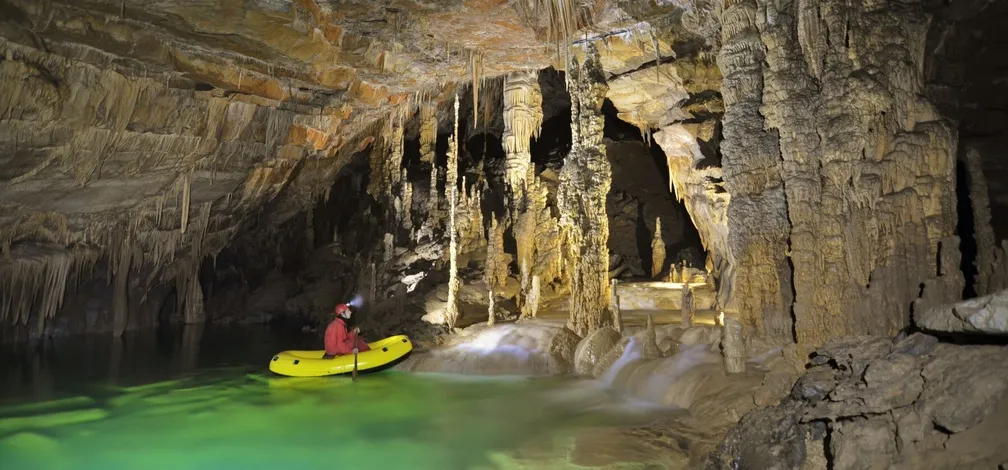
Križna Cave is one of the most beautiful tourist water caves in Slovenia.
Križna Cave is one of the most beautiful tourist water caves in Slovenia. 22 emerald lakes are connected by an underground crystal-clear stream, within side passages ancient bones of cave bears can be seen, and by the number of specialised cave dwellers, the Križna Cave ranks among the richest caves in the world.
Slopes, plains, forests and vineyards of the Notranjska Regional Park provide a home to many species. Here, among the multitude of widely distributed, yet no less beautiful flowers, thrive 'carnivores', rare, endangered, protected and endemic species.