In springtime, wood sandpipers, ruffs and common snipes rush along the shore, skilfully using their long beaks to feed on larvae of water insects and other invertebrates left ashore by the retreating lake. Northern, Montagu's and western marsh harriers fly low over the vast Cerknica plain and look for prey. Purple and great white herons patiently wait at meandering streams, with black terns gently flying above them. When cockchafers swarm, flocks of sociable red-footed falcons make a stop at the lake while moving east, and Eurasian curlews start calling for their mates.
Summer among reeds and meadows
In long summer days, Eurasian hobbies chase cheeky skylarks, red-backed shrikes are looking about from the bushes, and above the vast grasslands, home to redshanks, snake eagles glide. At sunrise, red-necked grebes are already diving to find young fish, whereas shy black stork only comes to the vast marsh at dusk. On clear nights, corncrakes court their brides loudly and relentlessly, waking up the nocturnal species – water rails and little and spotted crakes, which are hiding in the thick sedge and reeds. Indeed, the Cerknica plain never sleeps... This holds true also because of the repeated chirping of sedge, barred and reed warblers, whinchats, rosefinches and Savi's warblers.
Autumn flocks of migratory birds and the calm before winter
In autumn, the lake provides plenty of food and enough peace for flocks of cranes to recover from their tiring migration. Mighty white-tailed eagles circle above their kingdom, above the lake, which attracts thousands of water birds and provides ferruginuous ducks, northern shovelers and smews with food and shelter in the flooded reeds until winter turns the lake into an ice-skating rink...
The importance of the intermittent lake for the endangered bird species surely goes far beyond Slovenia's borders, therefore, Lake Cerknica has been designated as a Natura 2000 Site and a Ramsar Site.
Conservation significance:
Ramsar site, Natura 2000 site
Number of bird species observed at Lake Cerknica:
303
Number of breeding bird species:
100+
Number of bird species during migration:
150+
Number of qualifying bird species to designate Lake Cerknica as a Natura 2000 Site:
Fish have attracted people to the shore, ponors and sinkholes of Lake Cerknica since prehistoric time, but beasts and flocks of birds feasted by the drained lake long before the first humans.
Fish have attracted people to the shore, ponors and sinkholes of Lake Cerknica since prehistoric time, but beasts and flocks of birds feasted by the drained lake long before the first humans.
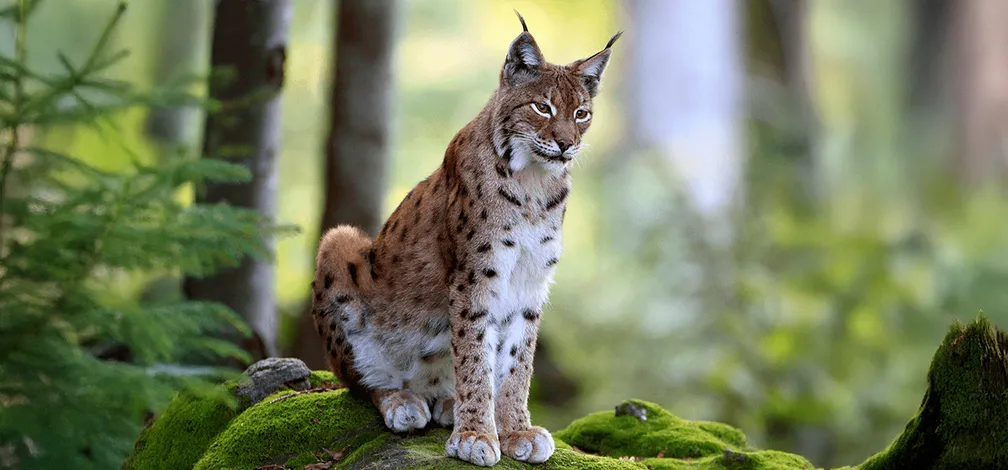
Lake Cerknica hosts the tiniest snail and the strongest bear. And everything in between. The life here, with its diversity, has long attracted naturalists and nature lovers, and each time offers something new, something yet unseen.
Lake Cerknica hosts the tiniest snail and the strongest bear. And everything in between. The life here, with its diversity, has long attracted naturalists and nature lovers, and each time offers something new, something yet unseen.
Are there plants that 'eat' animals? Yes. The intermittent Lake Cerknica is home to three species of 'carnivorous' plants – intermediate bladderwort, bladderwort and oblong-leaved sundew.
Are there plants that 'eat' animals? Yes. The intermittent Lake Cerknica is home to three species of 'carnivorous' plants – intermediate bladderwort, bladderwort and oblong-leaved sundew.
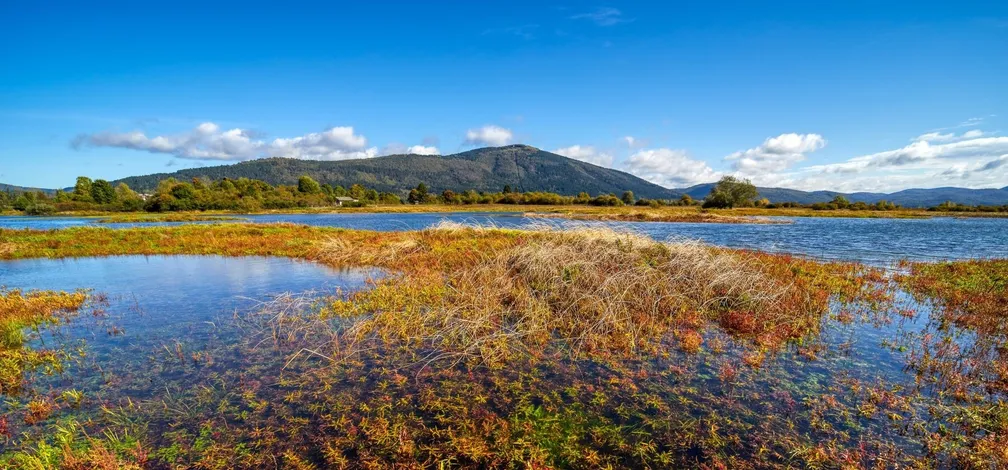
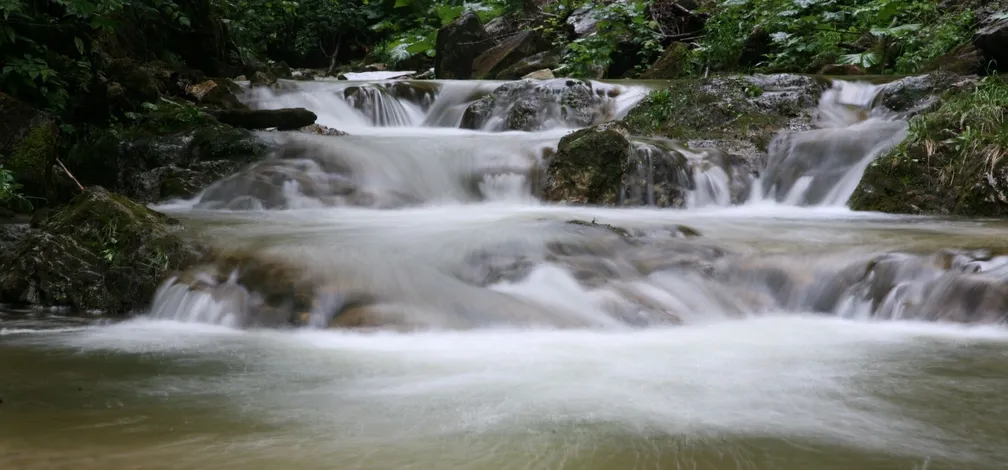
The combination of time, water, and rocks has created the phenomenon of draining, which keeps the life on this marvellous karst plain in motion. Lake Cerknica is intermittent because it fills up after long precipitation periods and drains out during the dry season.
The combination of time, water, and rocks has created the phenomenon of draining, which keeps the life on this marvellous karst plain in motion. Lake Cerknica is intermittent because it fills up after long precipitation periods and drains out during the dry season.
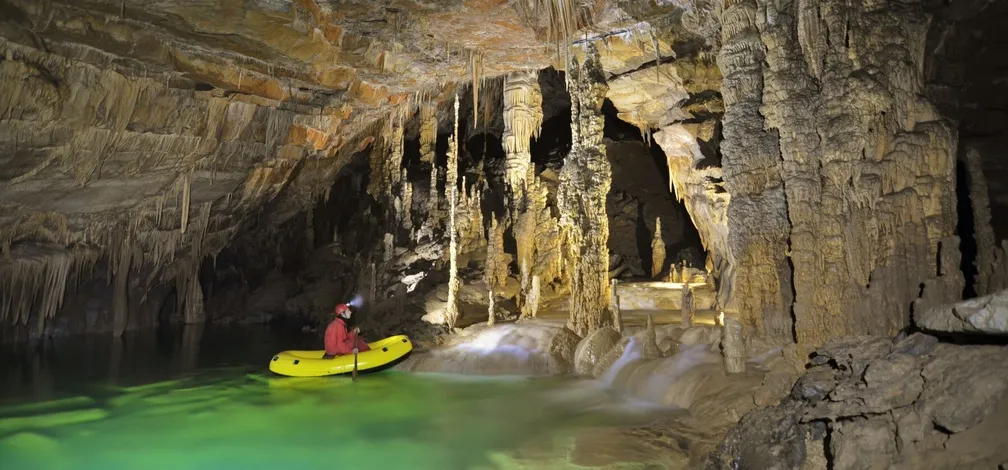
Križna Cave is one of the most beautiful tourist water caves in Slovenia.
Križna Cave is one of the most beautiful tourist water caves in Slovenia. 22 emerald lakes are connected by an underground crystal-clear stream, within side passages ancient bones of cave bears can be seen, and by the number of specialised cave dwellers, the Križna Cave ranks among the richest caves in the world.
Slopes, plains, forests and vineyards of the Notranjska Regional Park provide a home to many species. Here, among the multitude of widely distributed, yet no less beautiful flowers, thrive 'carnivores', rare, endangered, protected and endemic species.