Celebrating cultural heritage
February 2 marks the anniversary of the adoption of the Convention on Wetlands in 1971, an international agreement that promotes the sustainable use and conservation of wetlands. Slovenia is also part of this international network with Lake Cerknica, which was declared a wetland of international importance in 2006. This year's theme, "Wetlands and Traditional Knowledge: Celebrating Cultural Heritage," highlights the deep intertwining of wetlands with the cultural practices, traditions, and knowledge of local communities. Wetlands are not only natural resources, but also places of identity, spirituality, and shared memory, where knowledge about nature is passed down from generation to generation. Traditional knowledge, preserved through stories, songs, rituals, and everyday practices, has enabled the sustainable coexistence of people and wetlands for centuries.
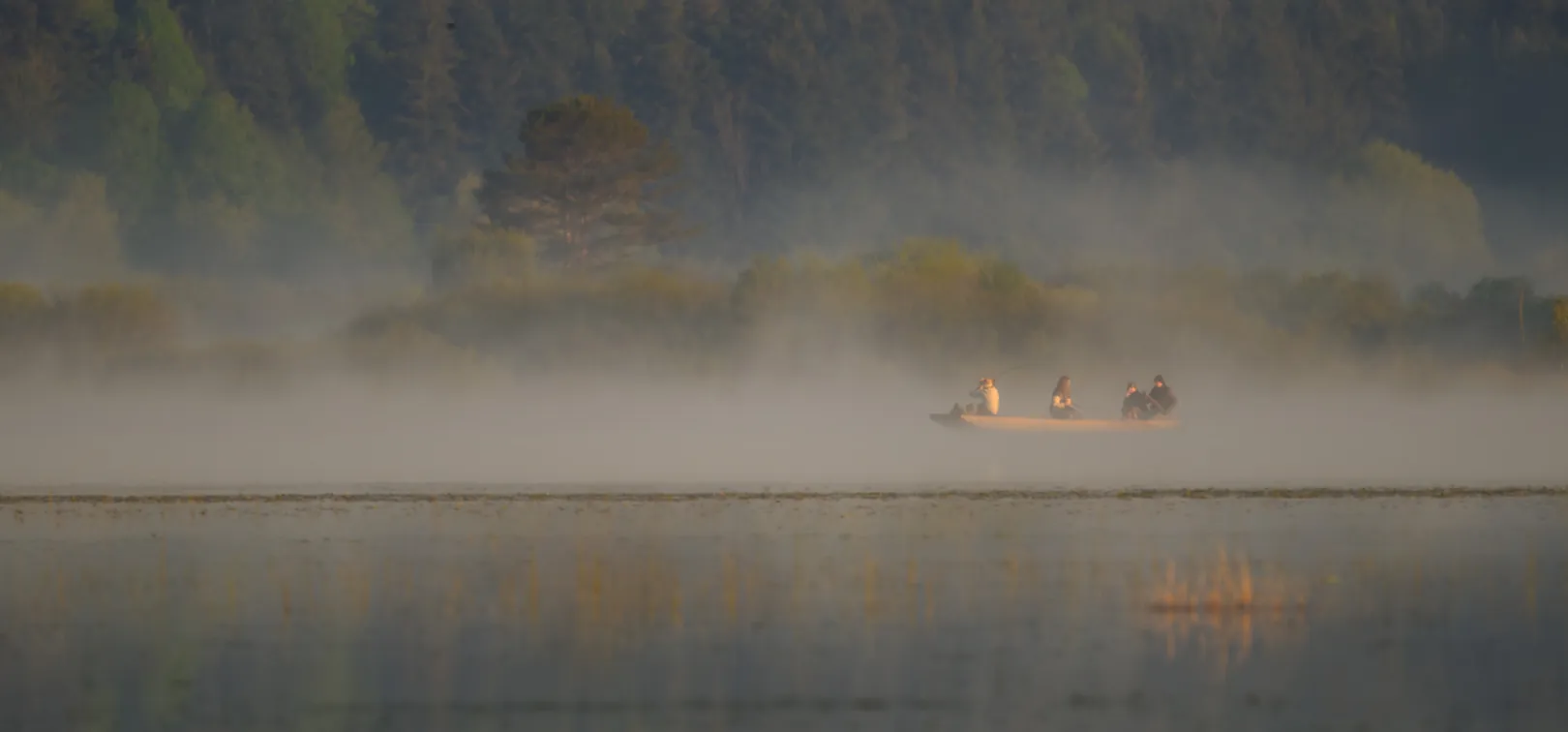
Cerkniško jezero – primer povezave med mokrišči in kulturno dediščino
Cerkniško jezero je izjemen primer mokrišča, kjer se naravni procesi že stoletja prepletajo s tradicionalnim znanjem in načinom življenja lokalnega prebivalstva. Njegov značilni presihajoči vodni režim je oblikoval kmetijske prakse, rabo prostora in vsakdanje navade ljudi, ki so se prilagajali naravnim ciklom jezera. Znanje o sobivanju z mokriščem se je prenašalo iz generacije v generacijo ter prispevalo k ohranjanju naravnega ravnovesja. Razglasitev Cerkniškega jezera za mokrišče mednarodnega pomena leta 2006 potrjuje njegov naravni in kulturni pomen ter poudarja osrednje sporočilo svetovnega dneva mokrišč – da je varstvo mokrišč neločljivo povezano s spoštovanjem lokalnega znanja in kulturne dediščine.
Why are wetlands essential for life?
Wetlands are key ecosystems that provide drinking water, food, and habitat for around 40% of plant and animal species. They also mitigate the effects of climate change by acting as effective carbon sinks and reducing the risk of flooding and other natural disasters. Despite their extraordinary value, wetlands are among the most endangered ecosystems in the world — since 1970, they have been disappearing at an average rate of 0.52% per year due to pollution, intensive agriculture, and other human activities.
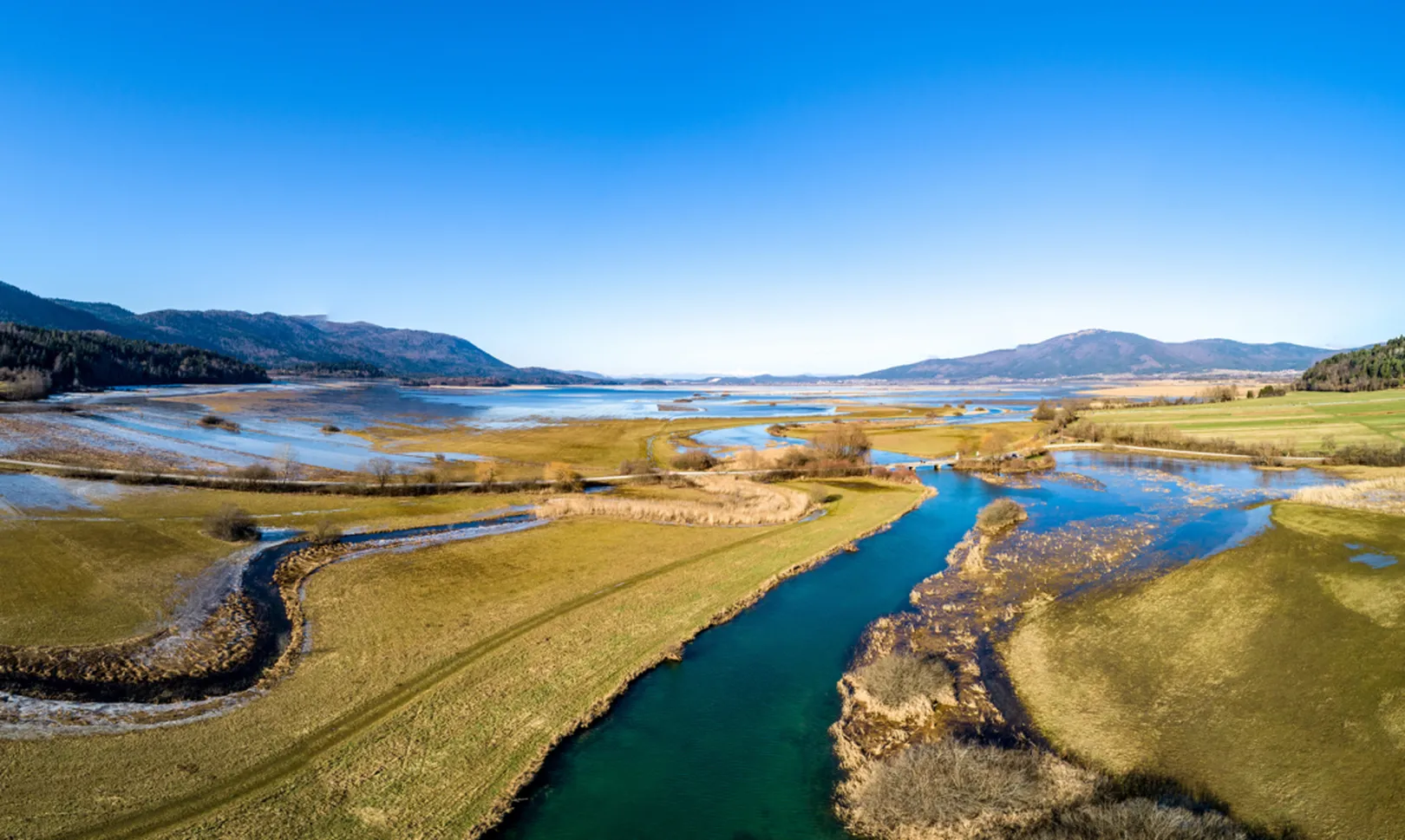
The role of traditional knowledge in wetland conservation
Traditional knowledge, developed over centuries of close coexistence with wetlands, plays a key role in their conservation and sustainable use. Local community practices, such as the balanced use of natural resources, observation of natural cycles, and respect for ecosystem constraints, have been shown to contribute to the conservation of biodiversity and the resilience of wetlands.
This year's World Wetlands Day campaign therefore highlights the following key messages:
- recognising and integrating traditional knowledge into wetland policies and conservation,
- actively involving local communities in wetland decision-making and management,
- combining traditional knowledge with scientific findings and sharing good practices,
- developing inclusive, community-based approaches to wetland conservation and restoration,
- protecting cultural heritage as an integral part of wetland conservation.
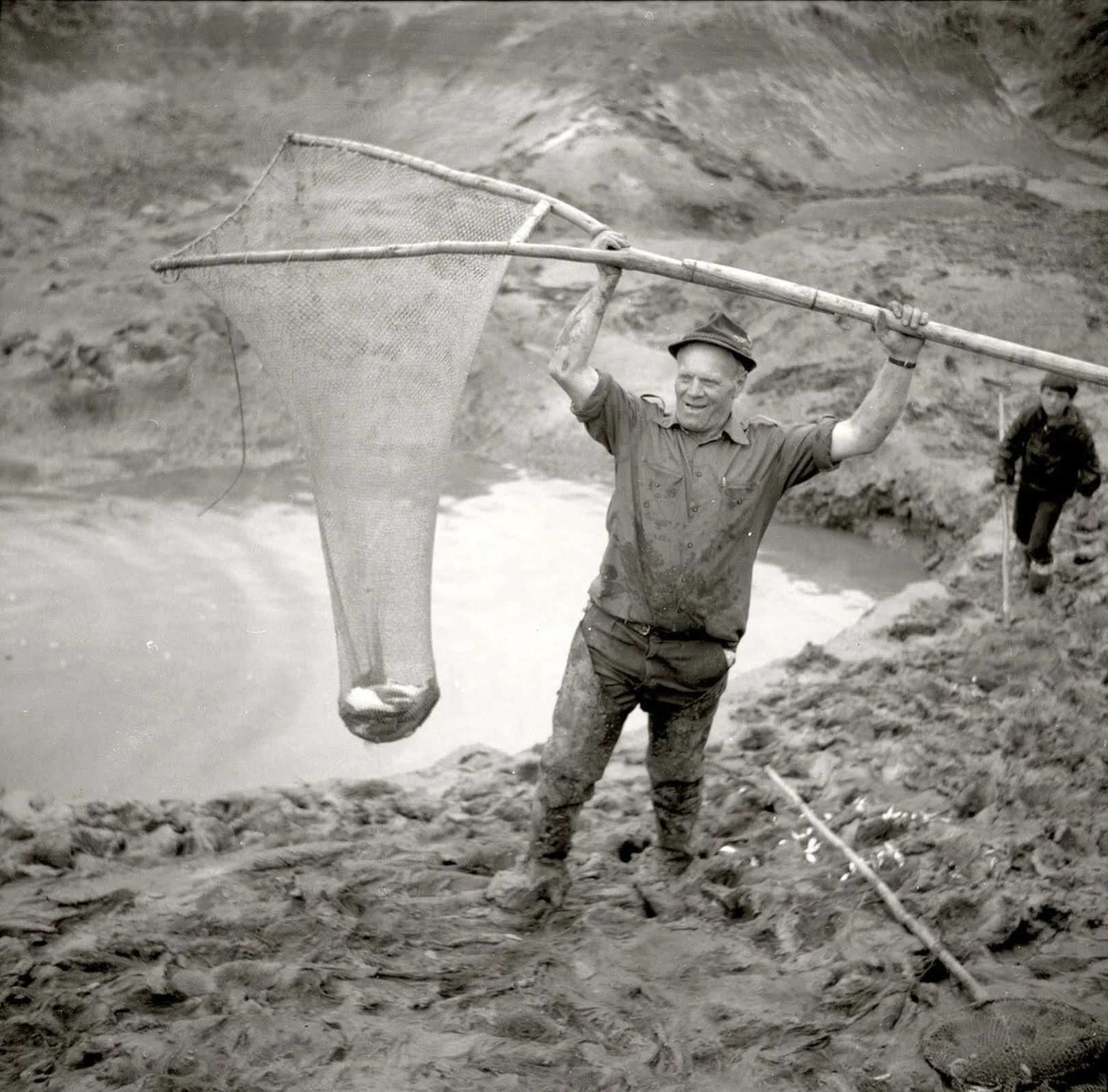
Shared responsibility for future generations
World Wetlands Day reminds us that wetlands are our shared natural and cultural heritage. Their long-term protection is only possible through cooperation between countries, experts, and local communities, and by respecting knowledge that has proven its value over generations. By protecting wetlands, we protect nature, the climate, cultural diversity, and the quality of life for future generations.