In the time of the Roman emperors, two often-used routes led past Cerknica and quite a few castles and fortifications evolved along them. We can still see the ruins of Šteberk, Loško and Karlovec Castles, which all stood by once important roads and also acted as strategic defence points. But castles alone were never sufficient means of protection of the local people. Namely, the Ottomans posed such a threat to the villagers that they were forced to build fortifications to defend themselves. One such fortification has persisted to the present day and stands in the old market square in Cerknica, built around the Church of the Nativity of Mary.
In recent history, during the period of the Rapallo border, two large fortification systems were built, the Italian Alpine Wall and the Yugoslav Rupnik Line, respectively. They used to serve for the protection of two great countries, but are now slowly falling apart in the middle of forests. The remains of the Alpine Wall can be seen in the Rakov Škocjan valley, whereas the remains of the Rupnik Line can be found on the slopes of Mt Slivnica and in the vicinity of Rakek, Brezje and Grahovo.
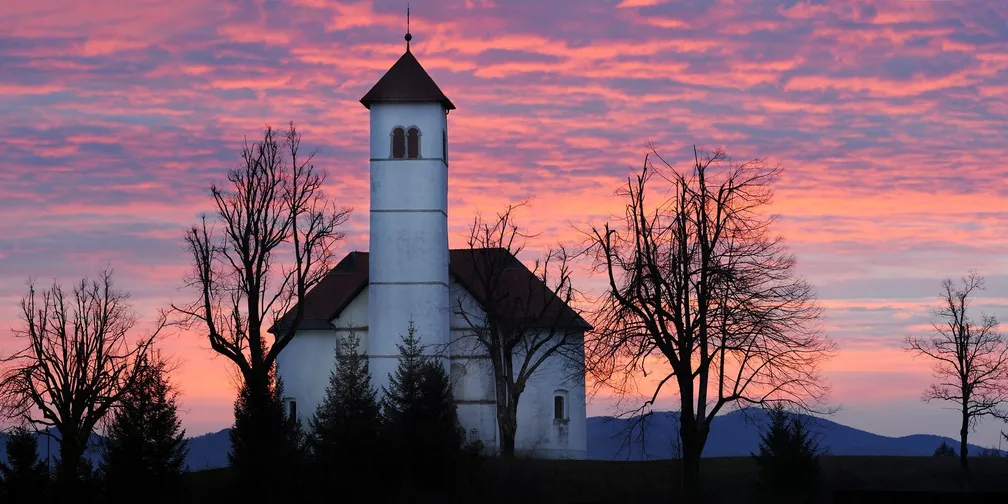
Christianity, as the dominant religion, has left its mark in the form of numerous churches and chapels. In the area of the Notranjska Park, there are more than 30 different churches.
Christianity, as the predominant religion, has left its mark in the form of numerous churches and chapels. In the area of the Notranjska Park, there are more than 30 different churches.
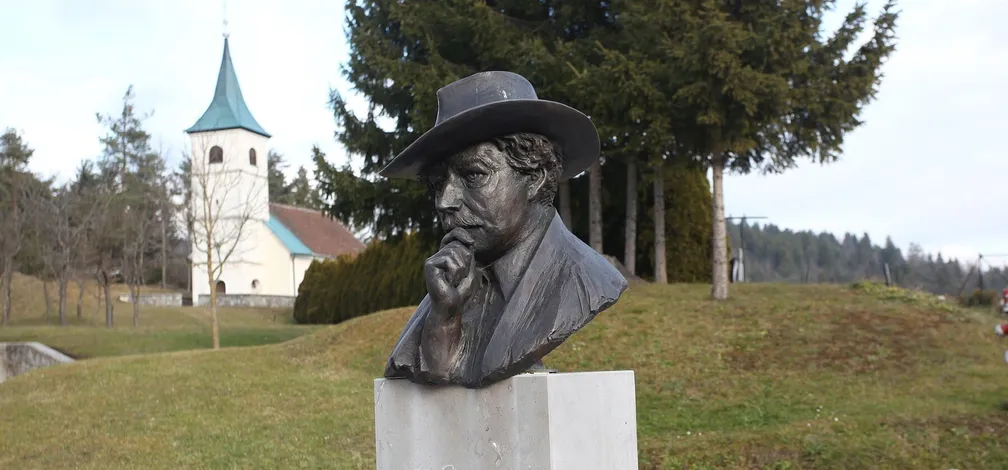
Many renowned professionals worked and lived in the area of the present-day Notranjska Park.
Many renowned professionals worked and lived in the area of the present-day Notranjska Park. Johann Weikhard von Valvasor (The Glory of the Duchy of Carniola) and Franz Anton von Steinberg (A Thorough Report on Lake Cerknica) put Lake Cerknica on the world map, and their works also serve as reference books on life in the past.
Like elsewhere, rural architecture has left a strong mark in the Notranjska region as well.
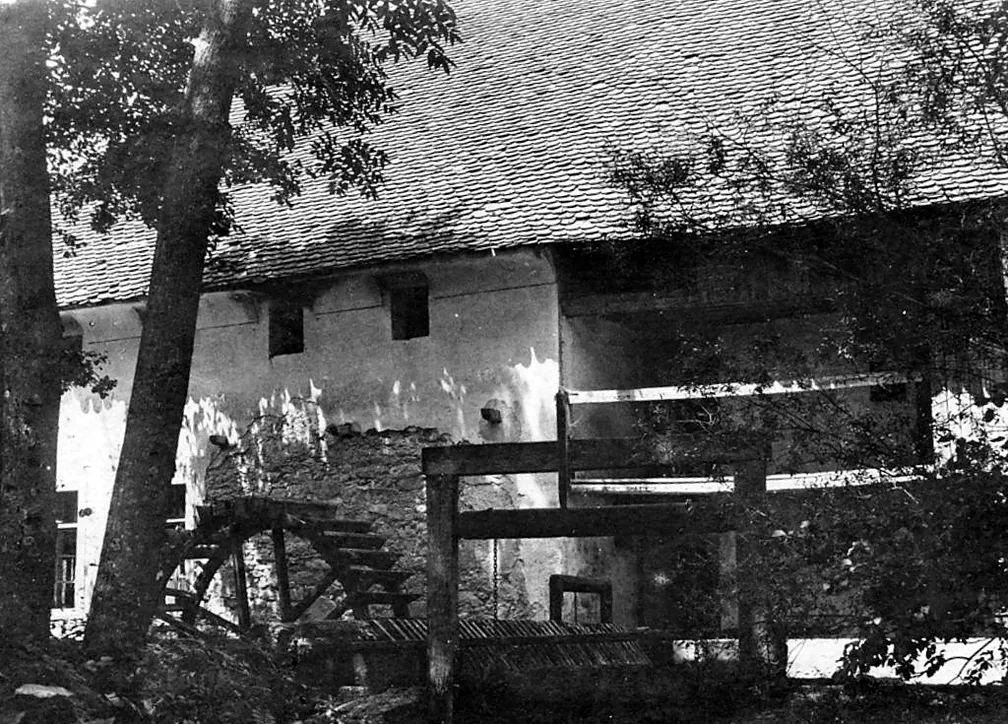
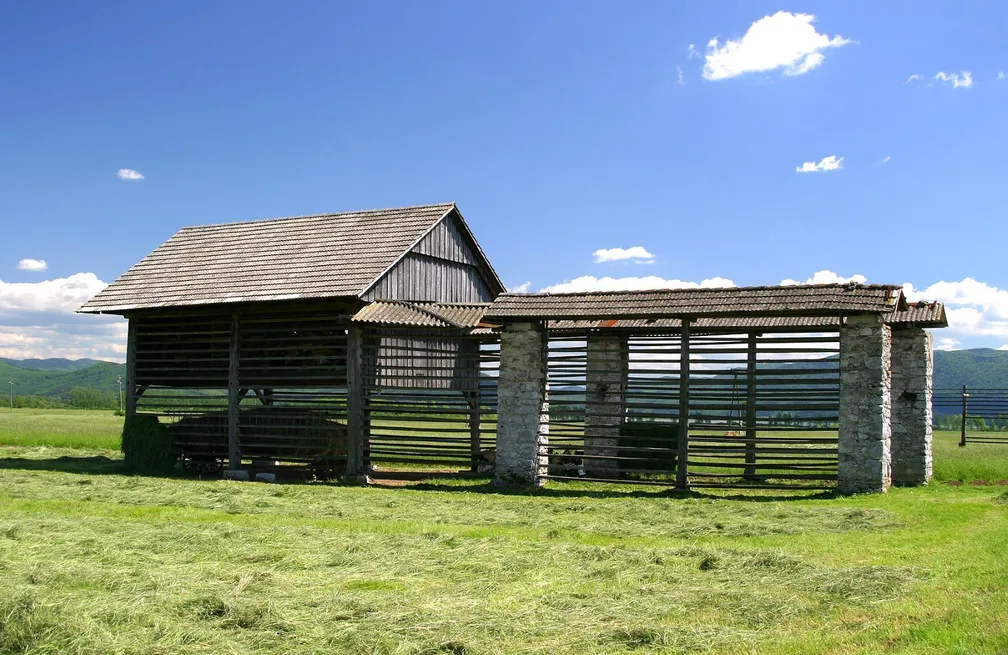
We have been left with some architectural evidence describing the life of former generations. In addition to mills and sawmills, we can also find hayracks, fruit-drying huts, wells and more. Even some of the houses and homesteads are preserved practically unchanged – some are still thatched.
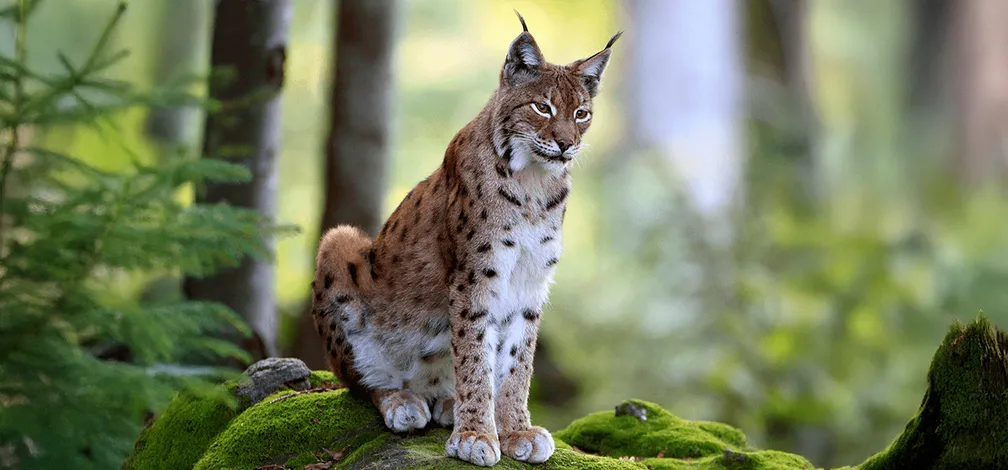
Slopes, plains, forests and vineyards of the Notranjska Regional Park provide a home to many species. Here, among the multitude of widely distributed, yet no less beautiful flowers, thrive 'carnivores', rare, endangered, protected and endemic species.