Most were located along the Cerkniščica, a 22-km-long stream, which springs on the Vid plateau and feeds Lake Cerknica. They were, however, also built along other lake tributaries, such as the Žerovniščica, the Lispenjščica and the Martinjščica. On the Vid plateau, they were also erected along the Zala and Iška rivers. In order to step up the exploitation of the Cerkniščica, a 125-metre-long independent channel of the Mlinščica was dug out in the so-called Chicken Valley (Kurja dolina) in Begunje, which then supplied three mills: the upper, the lower and the Čopec mill.
Mills were usually made of wood, which was carefully chosen according to the type and age of trees. There were several types of millstones; the white stone (ta beli kamen) was used for grinding wheat, the black stone (ta črni kamen) for oat, barley and corn, and the meslin stone (soržni kamen) for buckwheat, meslin and corn meal. Some mills also pressed beechnut oil, and ground whitebeam berries and dried pears. As industrialization resulted in mass cessation of mills and sawmills, some were turned into residential or industrial buildings and some were abandoned completely. Where mills used to stand, we may now only find ruins and remains of former dams.
Number of mills and sawmills on the Cerkniščica stream:
31
Number of mills and sawmills on the Lipsenjščica stream:
2
Number of mills and sawmills on the Žerovniščica stream:
5
Number of mills and sawmills on the Martinjščica stream:
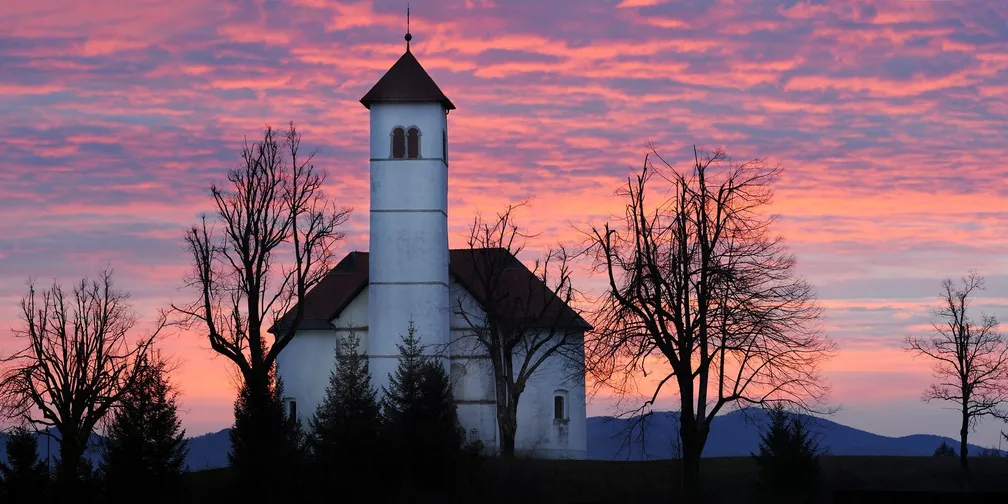
Christianity, as the dominant religion, has left its mark in the form of numerous churches and chapels. In the area of the Notranjska Park, there are more than 30 different churches.
Christianity, as the predominant religion, has left its mark in the form of numerous churches and chapels. In the area of the Notranjska Park, there are more than 30 different churches.
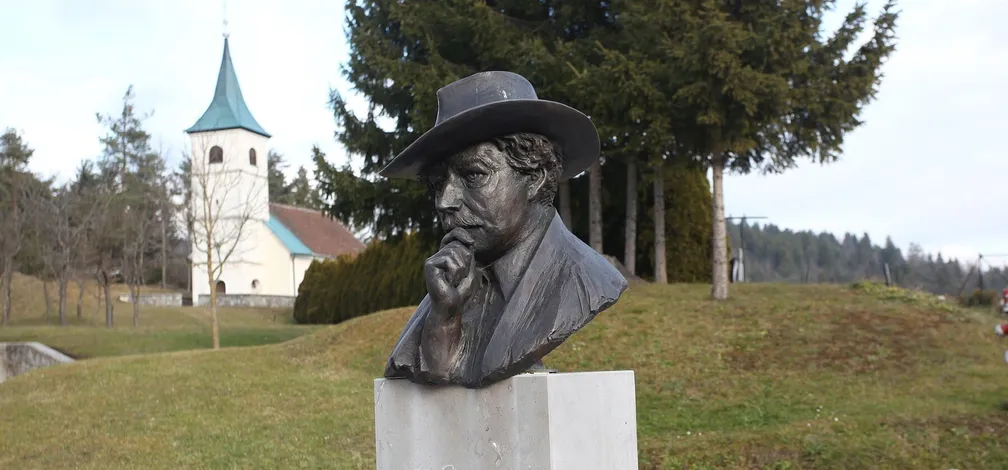
Many renowned professionals worked and lived in the area of the present-day Notranjska Park.
Many renowned professionals worked and lived in the area of the present-day Notranjska Park. Johann Weikhard von Valvasor (The Glory of the Duchy of Carniola) and Franz Anton von Steinberg (A Thorough Report on Lake Cerknica) put Lake Cerknica on the world map, and their works also serve as reference books on life in the past.
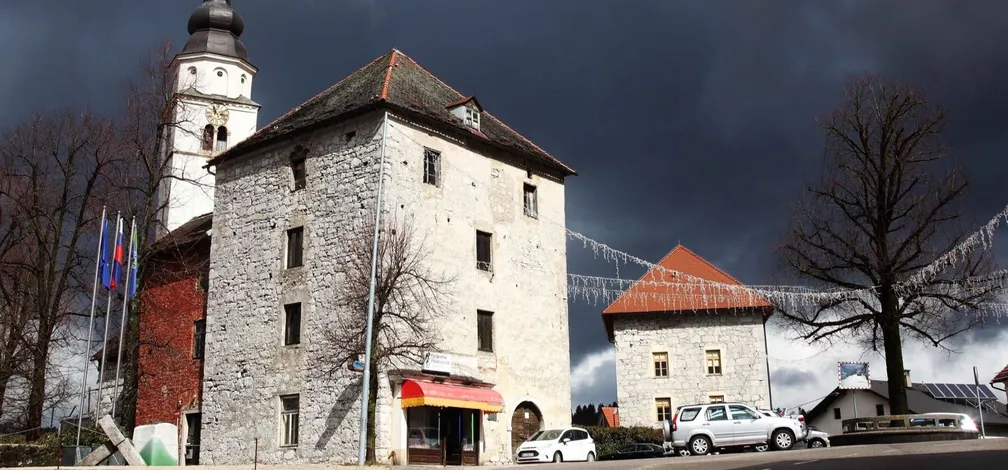
Like elsewhere, rural architecture has left a strong mark in the Notranjska region as well.
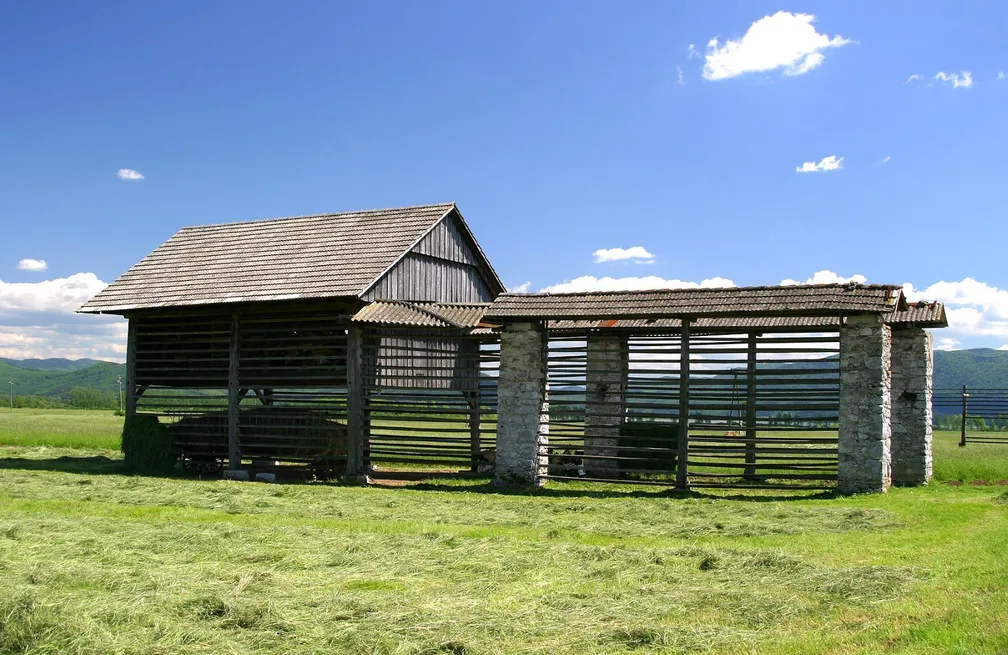
We have been left with some architectural evidence describing the life of former generations. In addition to mills and sawmills, we can also find hayracks, fruit-drying huts, wells and more. Even some of the houses and homesteads are preserved practically unchanged – some are still thatched.
Slopes, plains, forests and vineyards of the Notranjska Regional Park provide a home to many species. Here, among the multitude of widely distributed, yet no less beautiful flowers, thrive 'carnivores', rare, endangered, protected and endemic species.