
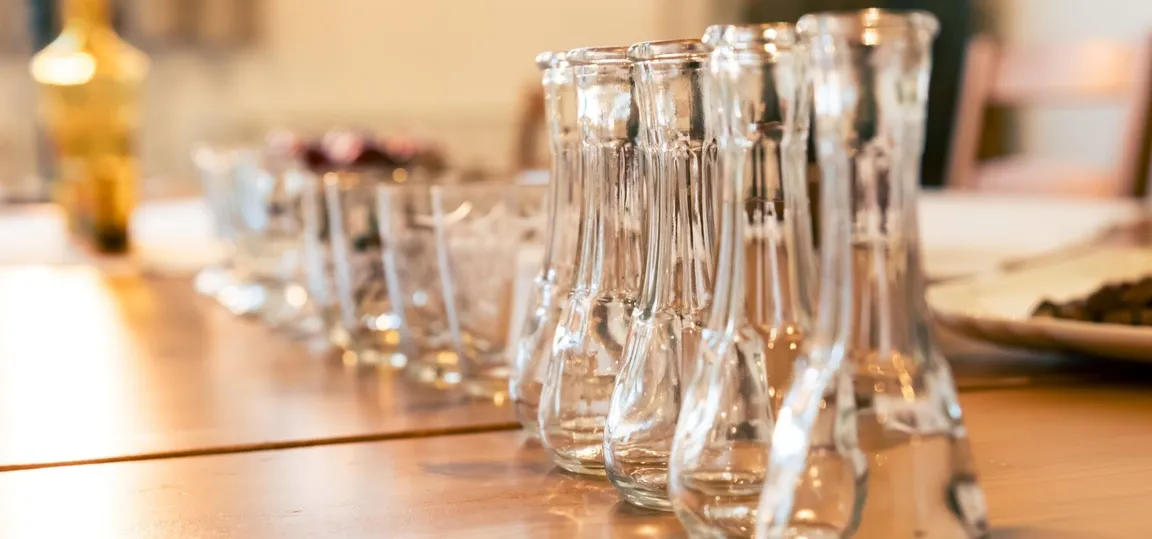
Spirits making in Notranjska
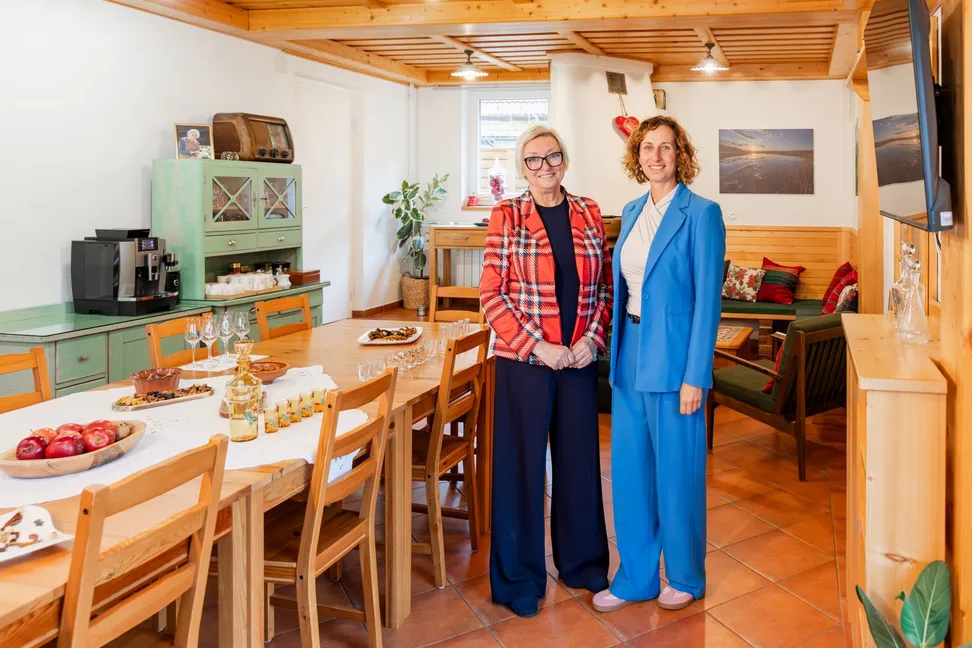
Saturday, October 3rd at 17:00
Discover Notranjska spirits making through the flavors, knowledge and stories behind traditional liquors. During a guided tasting, renowned sommelier Magda Debevc will take you through a selection of spirits and introduce you to the heritage of liquor making in Notranjska. You will discover the cultural and economic importance of spirits making in Notranjska, the raw materials used, different distillation methods and the use of distillates, and the social consequences of spirits making.
What awaits you?
Guided tasting
Discover different Notranjska liquors and their characteristics. fruit liquor, pear liquor, plum liquor and flavored liquors, where each sample will be served with different dried fruits and different types of bread, which illustrates the Notranjska tradition.
Sommelier's knowledge
Discover how to properly taste liquors and what we pay attention to when it comes to its quality.
The Story of the spirits making
Learn about the raw materials, processes and knowledge behind the distillation of spirits.
PRICE of tasting: 35.00 eur / person
BOOK YOUR PLACE: +386 31 789 998
When fruit becomes liquor
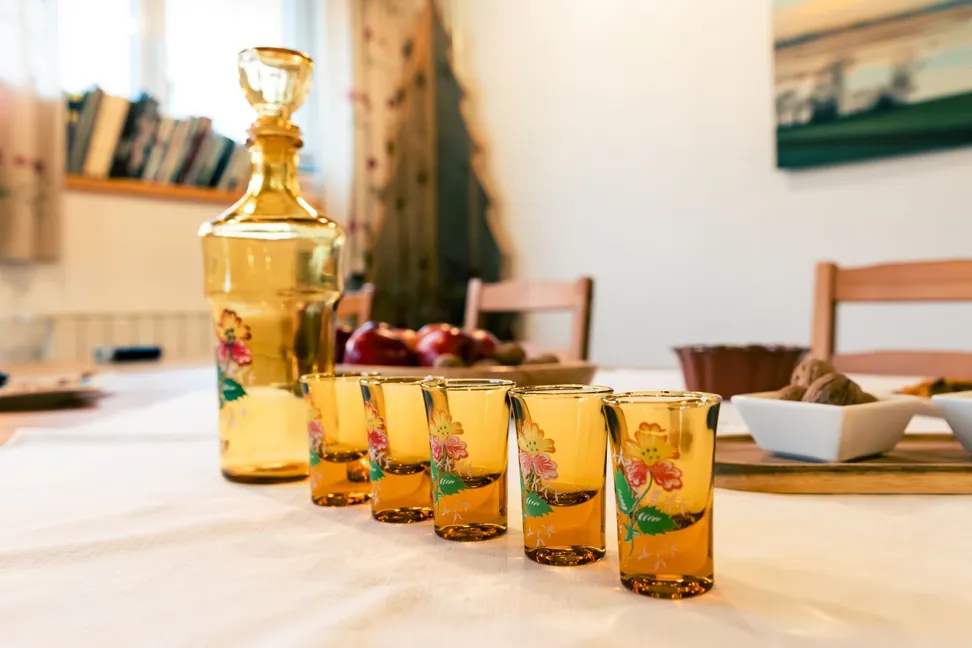
What makes a good liquor?
Good liquor starts with high-quality, healthy and sufficiently ripe fruit. Proper fermentation, precise distillation and, above all, the knowledge and experience of the liquor maker are important. Good liquor retains the characteristic aroma and taste of the fruit from which it is made, and is pleasant and balanced.
What varieties of fruit are used?
Different types of fruit can be used for liquor making - most often plums, pears, apples, cherries and other fruits that contain enough sugar and develop a nice aroma. It is not only the type or variety that is important, but above all the quality of the fruit. Even less perfect fruit can produce good liquor, but the fruit must not be rotten or moldy.
When is fruit ripe enough?
When it develops its full aroma and contains enough sugar. For liquor, fruit is generally not picked too early. Fully ripe fruit is the most suitable, as it is the sugar that enables the formation of alcohol during fermentation, and ripeness significantly affects the aroma of the final distillate.
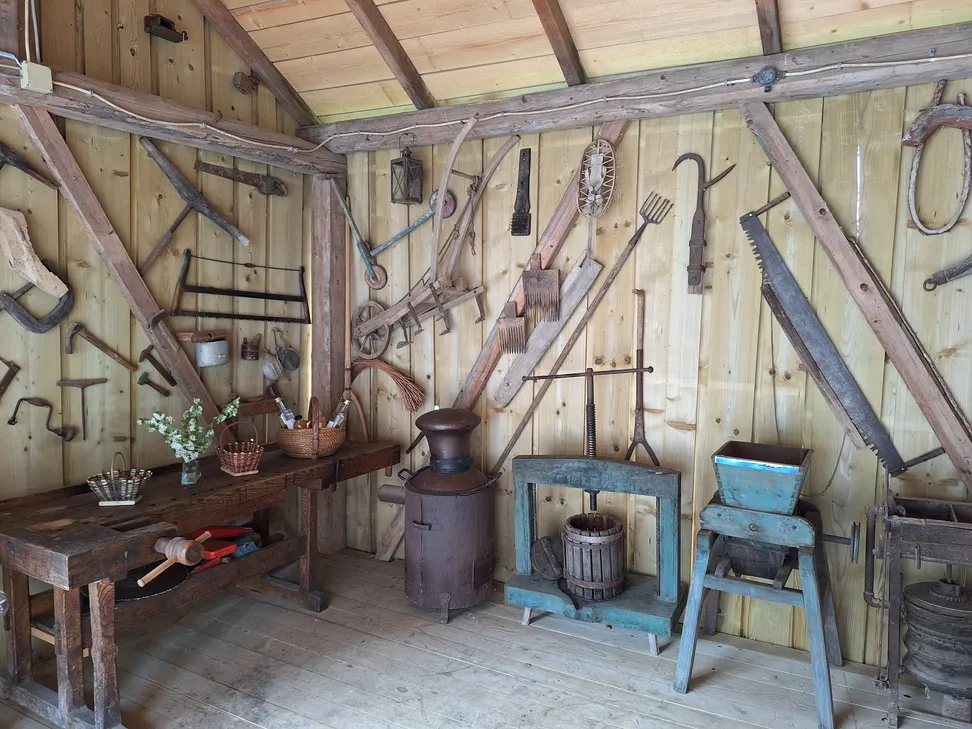
What can go wrong during fermentation?
Problems can be caused by unclean or damaged fruit, inappropriate temperature, access to air or unwanted microorganisms. Instead of the desired aromas, unpleasant smells and tastes can develop, and some of the alcohol can also be lost. Therefore, preparing the fruit and controlling the fermentation is one of the key steps to quality spirit.
How do we know when the distillate is right?
In distillation, it is not only the strength of the alcohol that is important. The liquor chef monitors the smell, taste and the course of the distillation and separates the individual parts of the distillate. The most valuable is the middle stream or "heart", which contains the purest and most characteristic fruit aromas. It is precisely recognizing the right moment for separation that is where the knowledge and experience of the master liquor maker are most evident.
There is much more to every good liquor than distillation. The selection and quality of the raw material, proper preparation, fermentation, distillation method, and above all, the knowledge of the person who leads the entire process are important.
At the T'Dolenj farm, you can, by prior arrangement, taste and buy traditional Notranjska spirits and liqueurs, which are produced by the Kotnik family from fruit from their home orchards.
Come for Lunch!
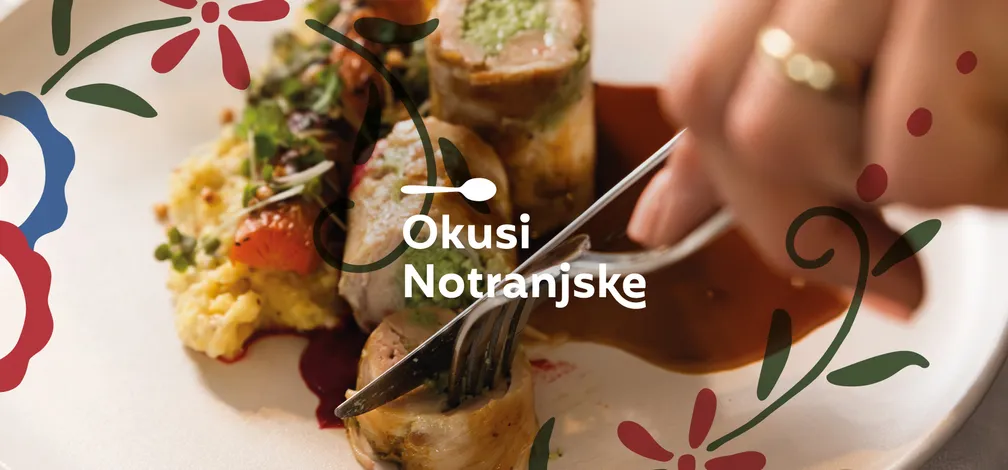
Six local restaurants and tourist farms. Six different culinary experiences and delicious ways to taste Notranjska cuisine. Explore meat and vegetarian menus, find your favorite and book a table!
So, where are you having lunch?
October 3rd and 4th | between 12:00 and 16:00
From the local kitchen
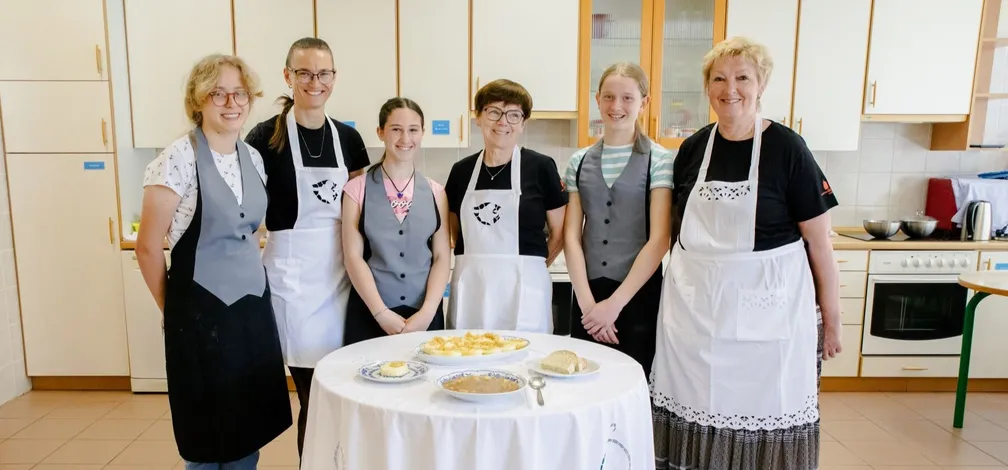
In the section From the local kitchen, we present traditional Notranjska dishes and the people who preserve the knowledge of their preparation.
In the section From the local kitchen, we present traditional Notranjska dishes and the people who preserve the knowledge of their preparation.
 |  |  |
The investment is co-financed by the Republic of Slovenia and the European Union from the European Regional Development Fund.