Contraband smuggling

A black-and-white photograph of a meeting between smugglers and border authorities in the snowy forests of Javorniki mountains.
PHOTO: 1930 Javorniki - Čez mejo, AUTHOR: Alojz Tomec, SOURCE: stareslike.cerknica.org, COLLECTION: Anda Tomec
A black-and-white photograph of a meeting between smugglers and border authorities in the snowy forests of Javorniki mountains.
PHOTO: 1930 Javorniki - Čez mejo, AUTHOR: Alojz Tomec, SOURCE: stareslike.cerknica.org, COLLECTION: Anda Tomec

Smuggling brought good profit to many, but for many it was a way of getting cheaper Yugoslav flour and, thus, a bit bigger loaf of bread on the table. Naturally, Italian authorities did not tolerate the activity and controls along the border were very common. However, there were also cases when a member of the Italian Royal Finance Guard, disapprovingly called financar, was found hanging from one leg on a treetop. While looking for smugglers in the woods, he would step into a loop which they had attached to a bended tree.

On few occasions, smugglers, locally called kontrabantarji, were also captured because of the snitches from this side of the border. When caught, they faced fines, prison, and, in some cases, even death. And yet, all these measures never succeeded in putting a stop on smuggling in the region.

Smuggled from Yugoslavia:horses, meat, flour, cigarettes, wood
Wanted Italian products:sugar, rice, coffee, wine, silk scarves, ladies' umbrellas
Duration:until the beginning of World War II

Nearby attractions

Show:

Horse-drawn carriage driving
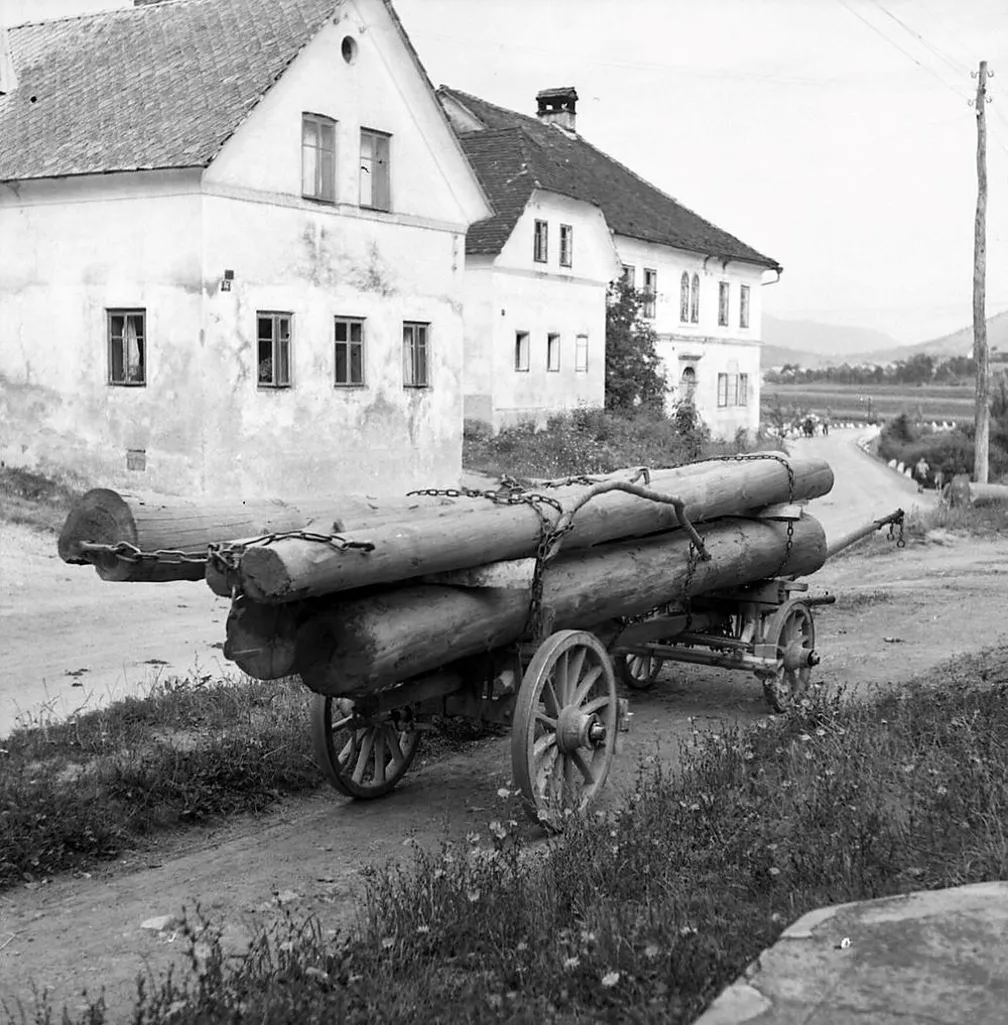
A black and white photograph of a wagon loaded with wood, standing in the middle of a village.

Horse-drawn carriage driving

Transport routes in the Notranjska region have always been important in terms of economy and communications because they were the intersection of routes in the direction from Trieste to Ljubljana, the Dolenjska region and Zagreb, the Kočevje and the Kvarner region. 

Transportation of cargo developed as early as the Middle Ages and then gradually evolved in horse-drawn carriage driving (transportation services).

Read more
Read more
Blacksmithing
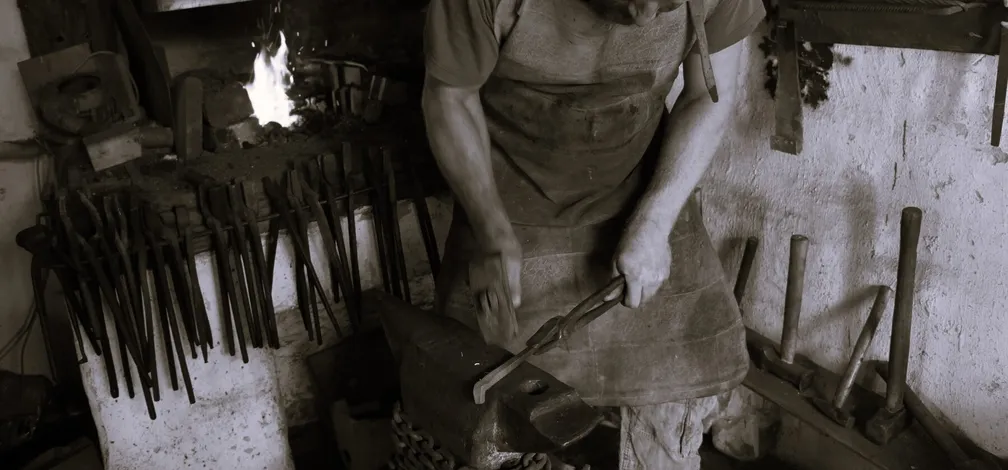
A blacksmith at work in his workshop, holding red-hot iron with tongs and striking it with a hammer. Black and white photo.

Blacksmithing

Blacksmithing was an important craft; there was at least one blacksmith in every larger village.

Blacksmithing was an important craft; there was at least one blacksmith in every larger village. When there were multiple blacksmiths in the same village, they would specialize either in toolmaking or horse shoeing.

Read more
Read more
Flax growing and processing
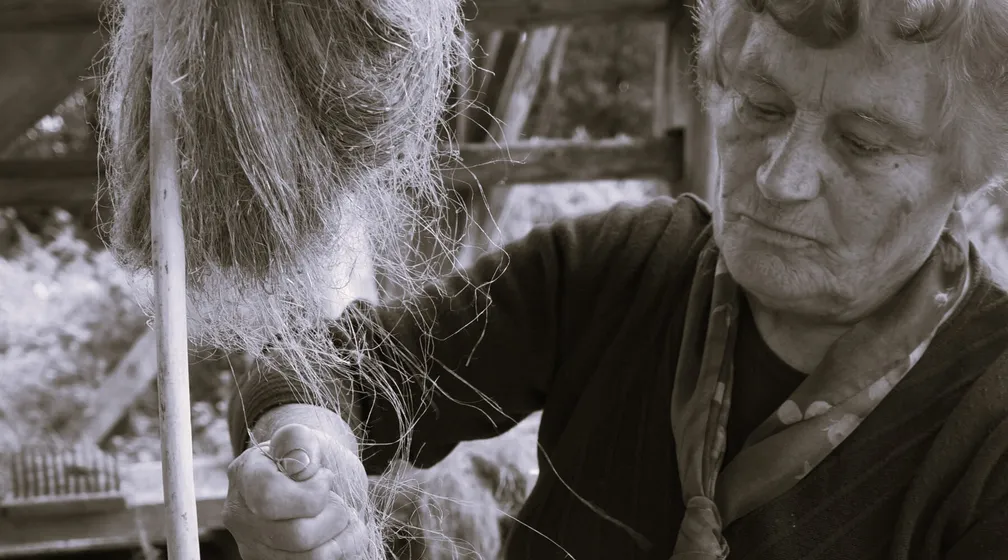
An older weaver, working with flax in a traditional way, black and white photo.

Flax growing and processing

In the past, flax growing and processing was widely spread in the Notranjska region and nearly every house had its own processing equipment.

In the past, flax growing and processing was widely spread in the Notranjska region and nearly every house had its own processing equipment.

Read more
Read more
The drevak boat
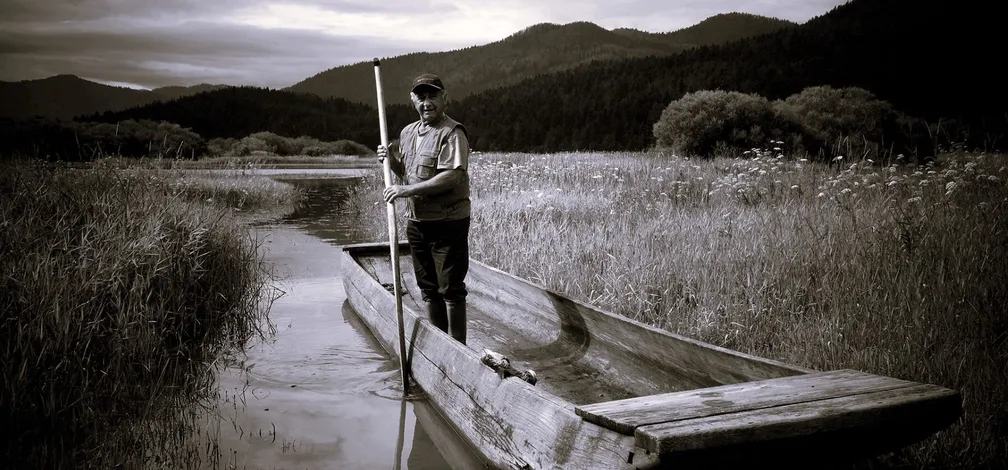
Black and white photograph of a rower on a traditional drevak boat on Lake Cerknica.

The drevak boat

The use of the drevak boat was first described by Valvasor; it was used in the Lož valley, on Lake Cerknica, the Planina plain and the Ljubljana Marshes.

The use of the drevak boat was first described by Valvasor; it was used in the Lož valley, on Lake Cerknica, the Planina plain and the Ljubljana Marshes.

Read more
Read more
Spirit making
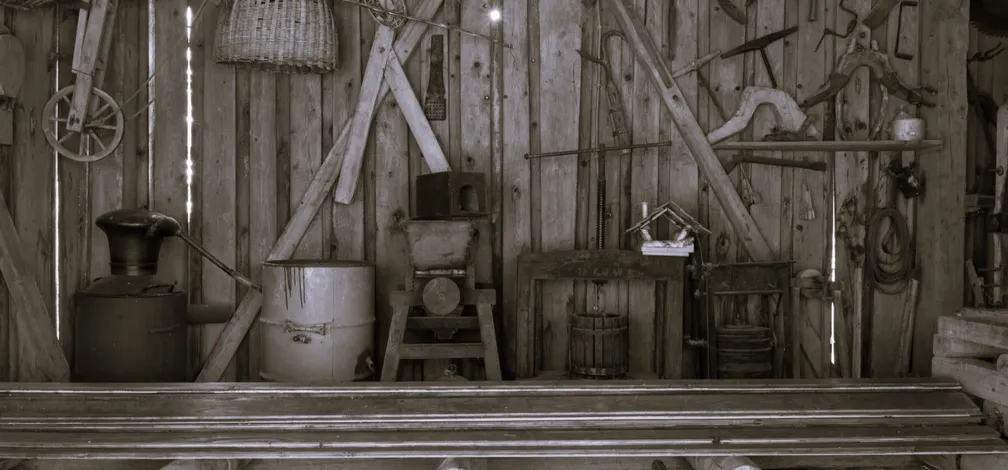
Black and white photo of tools for making spirits from the TDolenj tourist farm, located in the village Laze pri Gorenjem Jezeru.

Spirit making

Spirit was distilled from fruit grown in the high-trunk orchards in farmers' gardens.

For distillation, only the damaged fruit was ground; the rest was consumed. The ground fruit was then sealed in large barrels, soaked and allowed to ferment for about six weeks. When fermented enough, it was ready for distillation.

Read more
Read more
Fishing
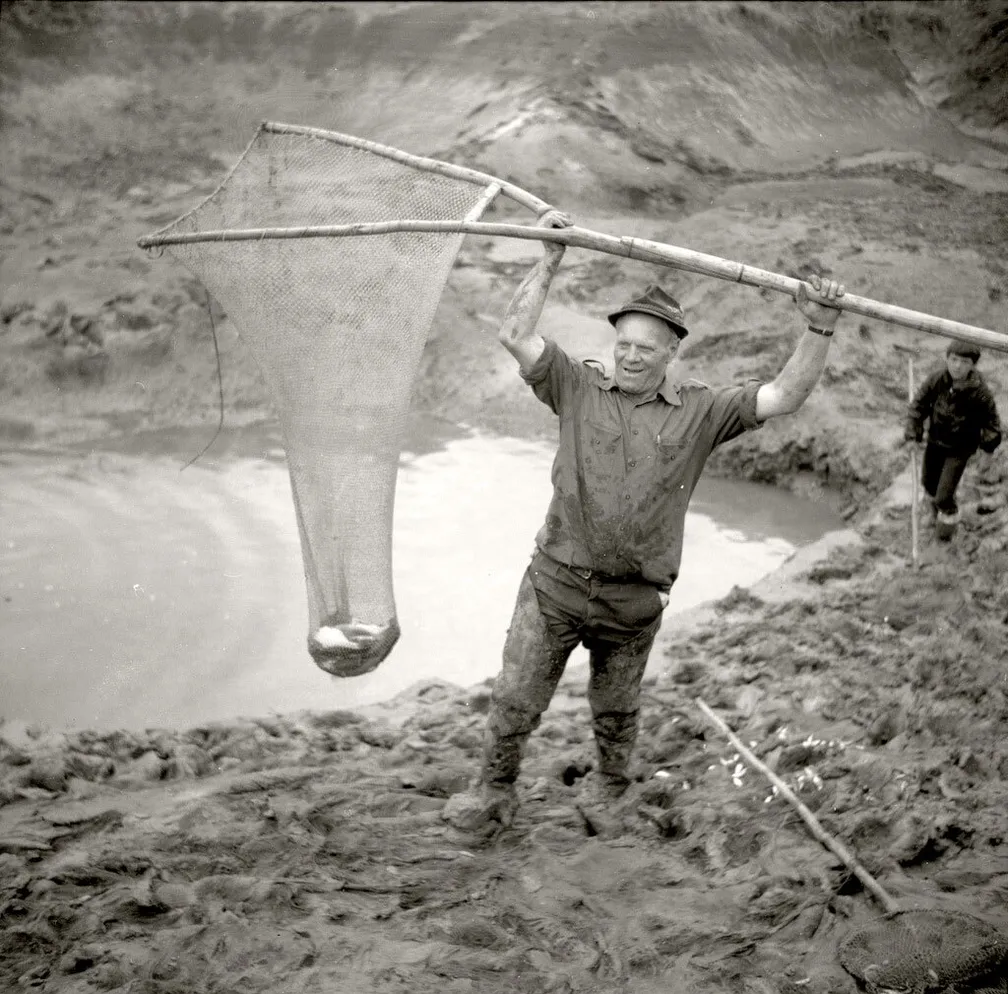
A black and white photograph of a fisherman on Lake Cerknica, holding a high-raised fishing net containing a fish.

Fishing

Fishing is one of the traditional activities directly linked to Lake Cerknica.

Fishing is one of the traditional activities directly linked to Lake Cerknica.

Read more
Read more
Lime and charcoal burning
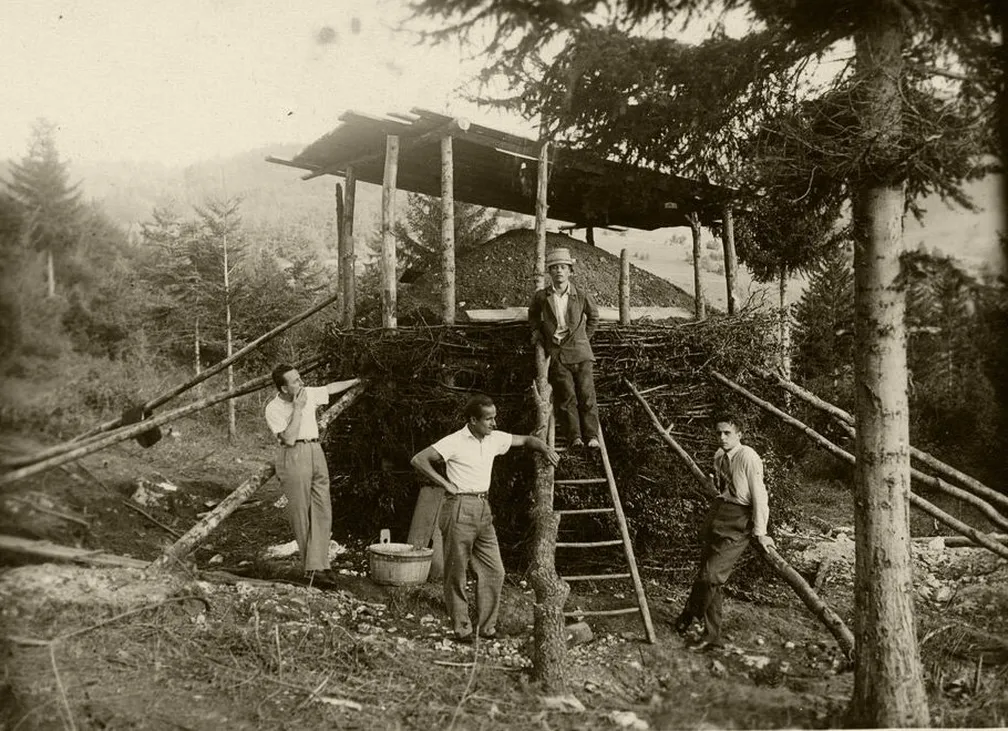
Black and white image of lime kiln in Notranjska

Lime and charcoal burning

Considerable amounts of limestone and firewood made lime burning one of the activities with which the local people earned their living.

Considerable amounts of limestone and firewood made lime burning one of the activities with which the local people earned their living.

Read more
Read more
Dormouse trapping
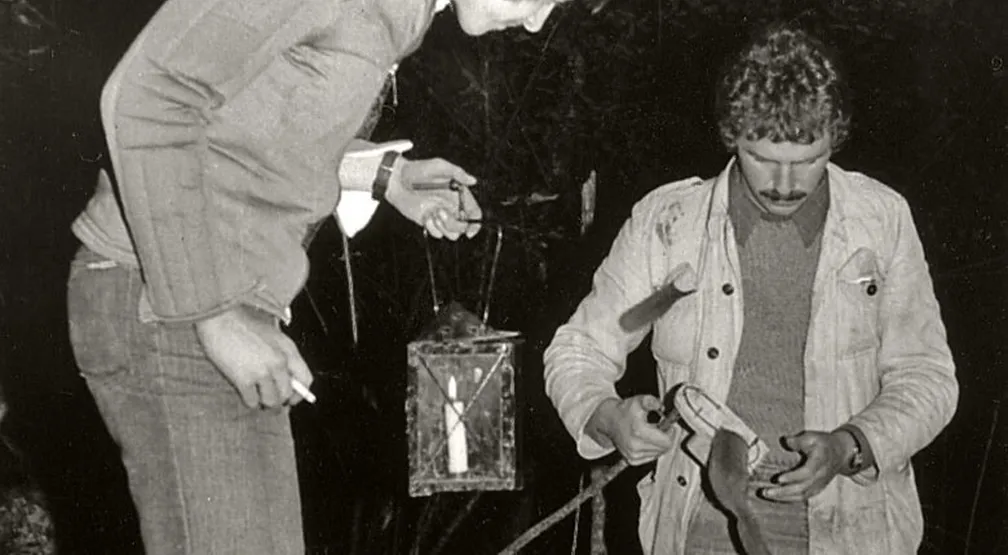
Dormouse hunters check their catch at night - a dormouse caught in a traditional trap or "škrin'ca".

Dormouse trapping

In Slovenia and the Notranjska region especially, dormouse trapping is a centuries-old tradition.

The first records on trapping and consumption of dormice date back to the 13th century. Later on, the tradition was also described extensively by explorer and scholar Johann Weikhard von Valvasor.

Read more
Read more

See more

Plant World
Robati luk (Allium angulosum) na modrem ozadju.

Plant World

Slopes, plains, forests and vineyards of the Notranjska Regional Park provide a home to many species. Here, among the multitude of widely distributed, yet no less beautiful flowers, thrive 'carnivores', rare, endangered, protected and endemic species.

Read more
Read more
Visitor Center Lake Cerknica
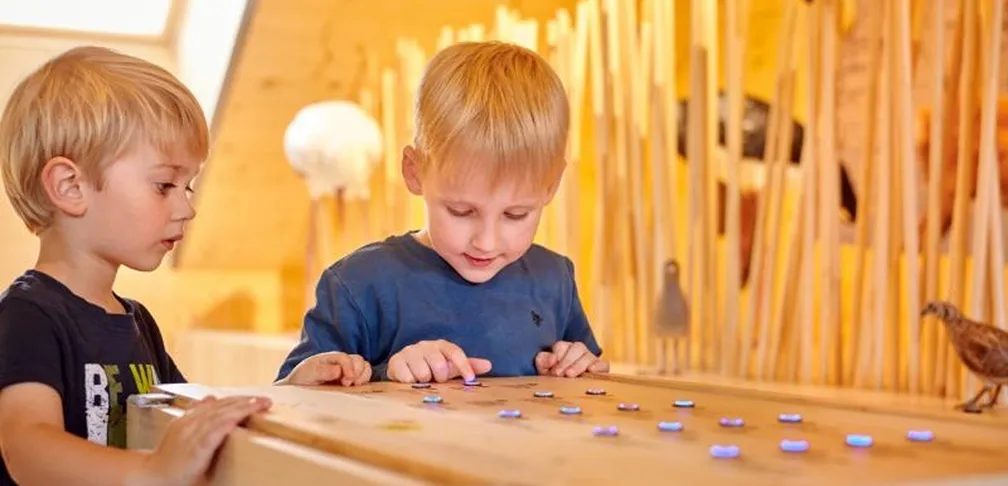
Dva otroka stojita ob leseni mizi, na kateri so razporejeni majhni okrogli predmeti. V ozadju so navpične lesene letve in dekorativni elementi.

Visitor Center Lake Cerknica

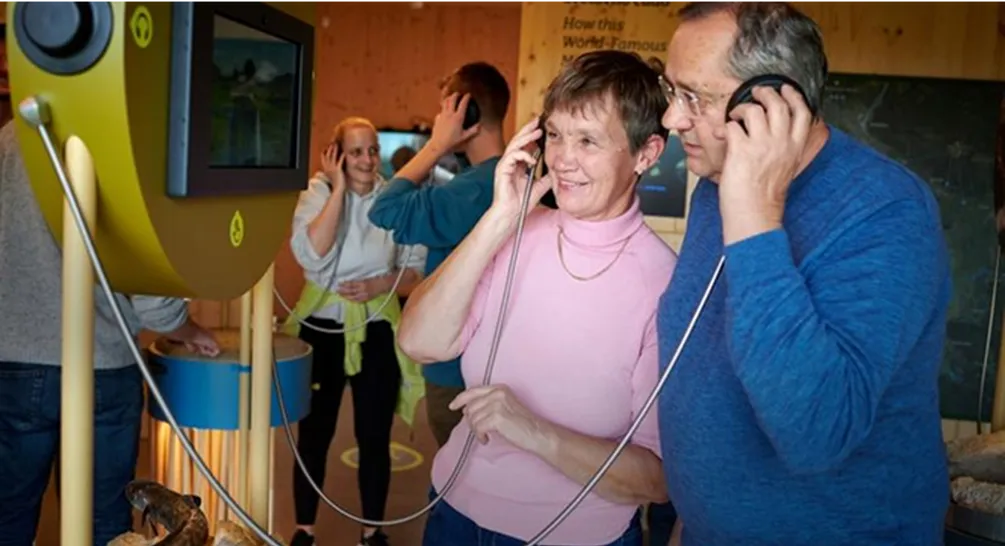
Listen to the story about a very special lake and discover the mysterious world of the mystical Lake Cerknica.

Listen to the story about a truly special lake and discover the mysterious world of the mystical Lake Cerknica.

Read more
Read more