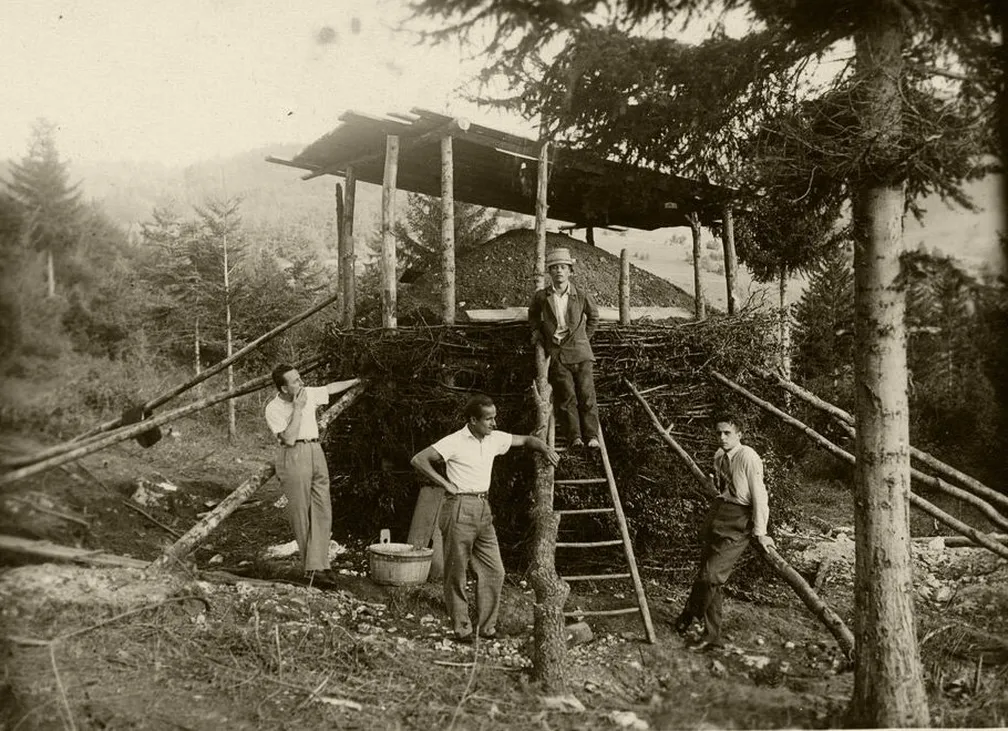
The latter took place in copper stills and the entire process required great patience. Spirit makers had to make sure they didn't burn the wash and that only a thin stream of spirit trickled out of the still. The spirit was distilled twice. Namely, the first run produced a distillate called nanga with a maximum alcohol content of 20%. The second run first produced the middle cut called cvet with an alcohol content of 80%, which was only used for disinfecting wounds or massage in rheumatism. The cvet was followed by the genuine spirit with an alcohol content between 46 and 52%.
After the distillation, the spirit was poured into wicker-wrapped glass containers. When spirit was being made, a lot of friends would come together, sing and enjoy themselves. It was consumed when families slaughtered pigs and during hay-making season to encourage the hay-makers. In some cases, all the spirit was consumed simultaneously as it was being distilled, so people had to buy it from their neighbours in order to pride themselves with what they produced. Spirit making was a pleasant and merry occasion. Today, you can see the stills and buy genuine spirits from the Notranjska region on the T'dolenj farm in the village of Laze pri Gorenjem Jezeru.
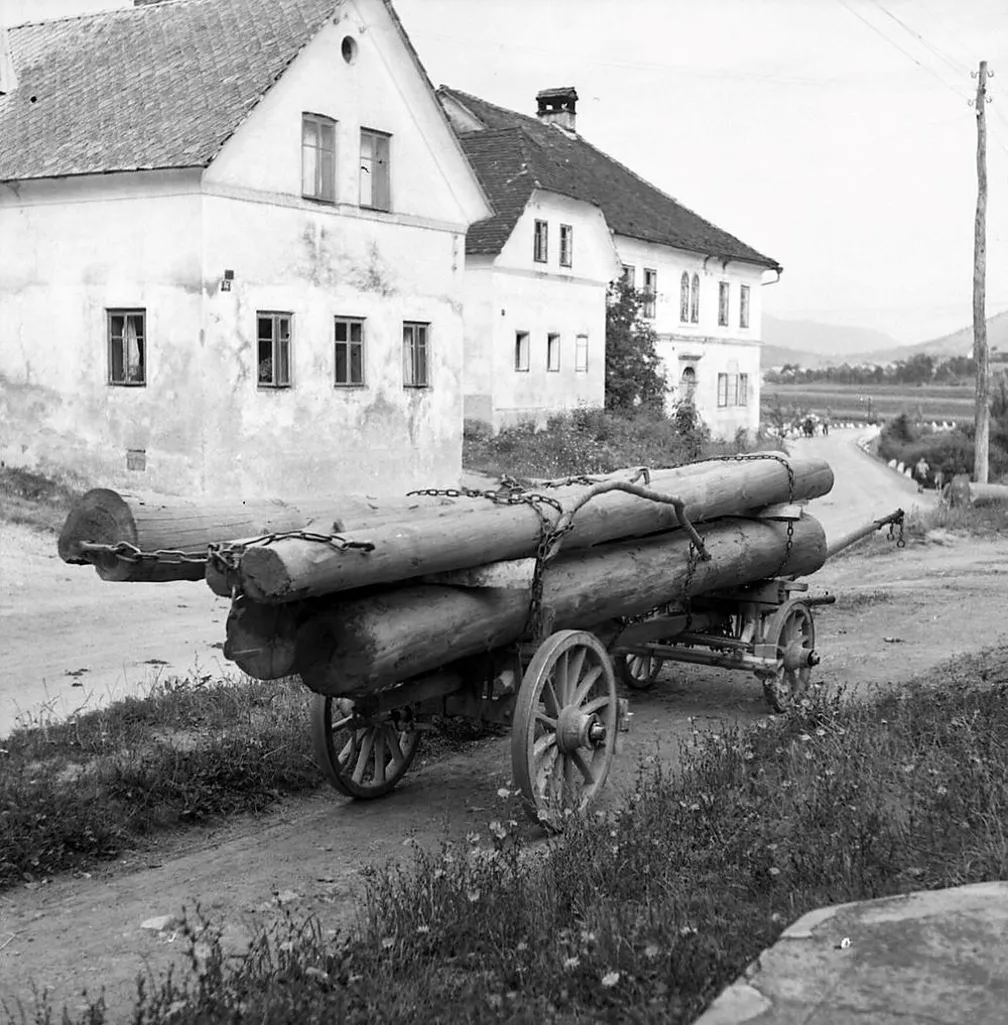
Transport routes in the Notranjska region have always been important in terms of economy and communications because they were the intersection of routes in the direction from Trieste to Ljubljana, the Dolenjska region and Zagreb, the Kočevje and the Kvarner region.
Transportation of cargo developed as early as the Middle Ages and then gradually evolved in horse-drawn carriage driving (transportation services).
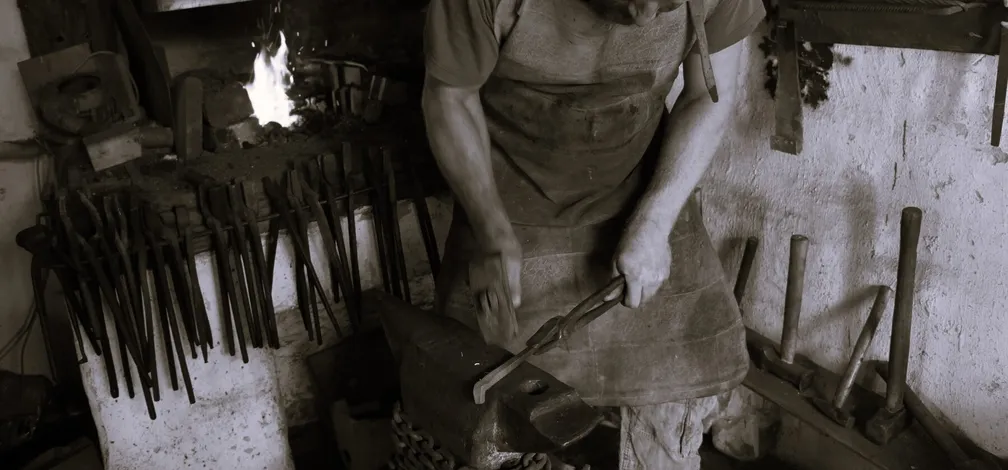
Blacksmithing was an important craft; there was at least one blacksmith in every larger village.
Blacksmithing was an important craft; there was at least one blacksmith in every larger village. When there were multiple blacksmiths in the same village, they would specialize either in toolmaking or horse shoeing.
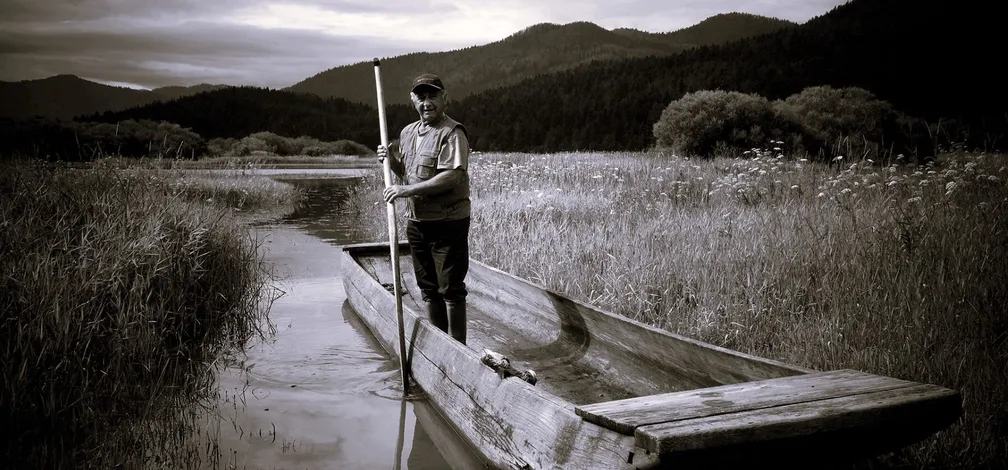
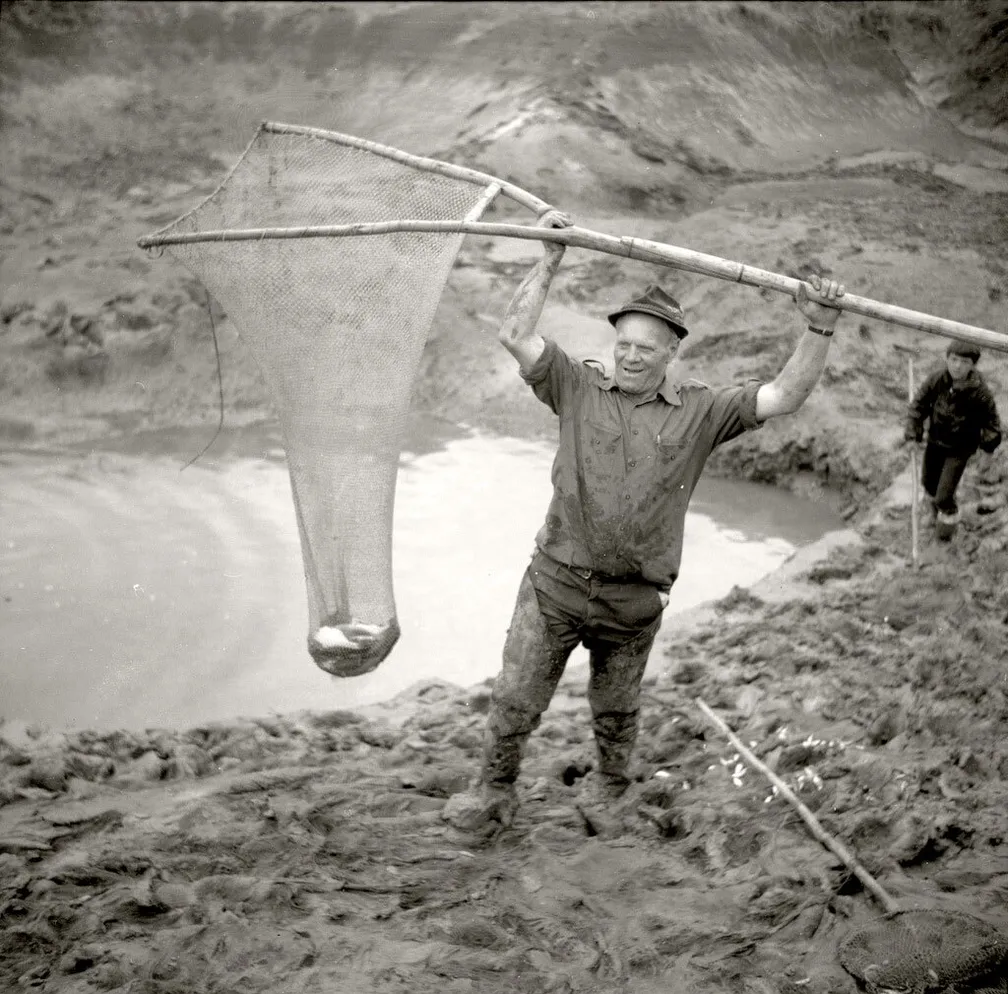
The use of the drevak boat was first described by Valvasor; it was used in the Lož valley, on Lake Cerknica, the Planina plain and the Ljubljana Marshes.
The use of the drevak boat was first described by Valvasor; it was used in the Lož valley, on Lake Cerknica, the Planina plain and the Ljubljana Marshes.
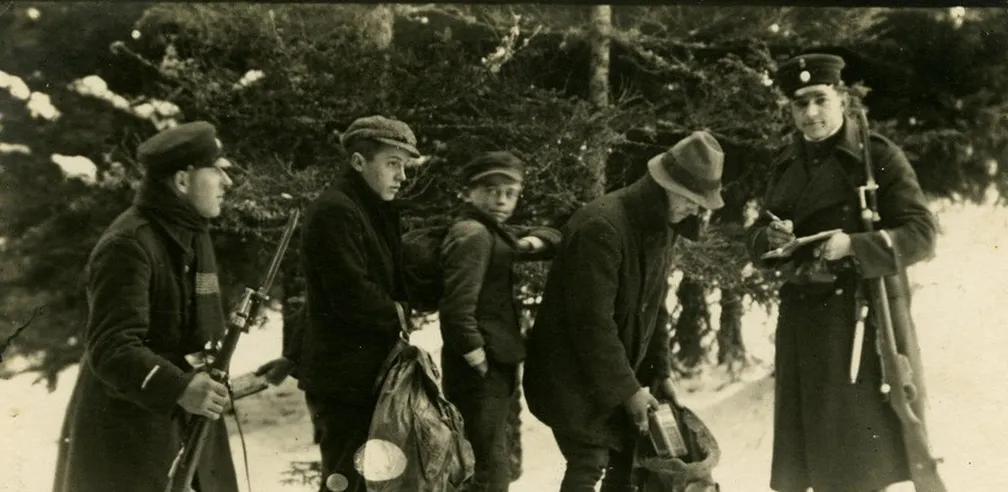
With the establishment of the border between Italy and the Kingdom of Yugoslavia after the First World War, our lands suddenly found themselves in a border area.
With the establishment of the border between Italy and the Kingdom of Yugoslavia after World War I, our lands suddenly turned into a border region, which initiated the activity that has always thrived near borders: smuggling. The border ran directly along this area and the main smuggling routes to Italy led over the Javorniki hills.
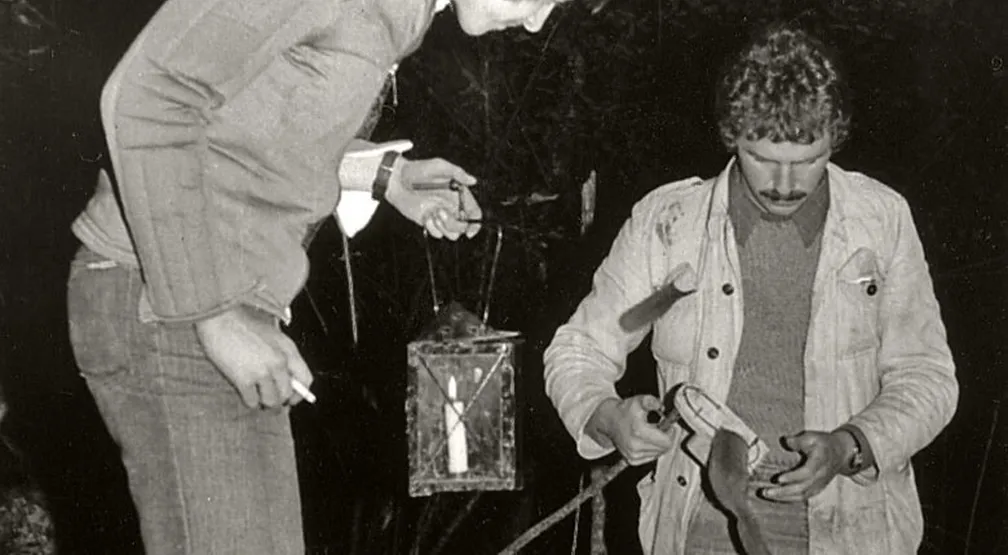
In Slovenia and the Notranjska region especially, dormouse trapping is a centuries-old tradition.
The first records on trapping and consumption of dormice date back to the 13th century. Later on, the tradition was also described extensively by explorer and scholar Johann Weikhard von Valvasor.
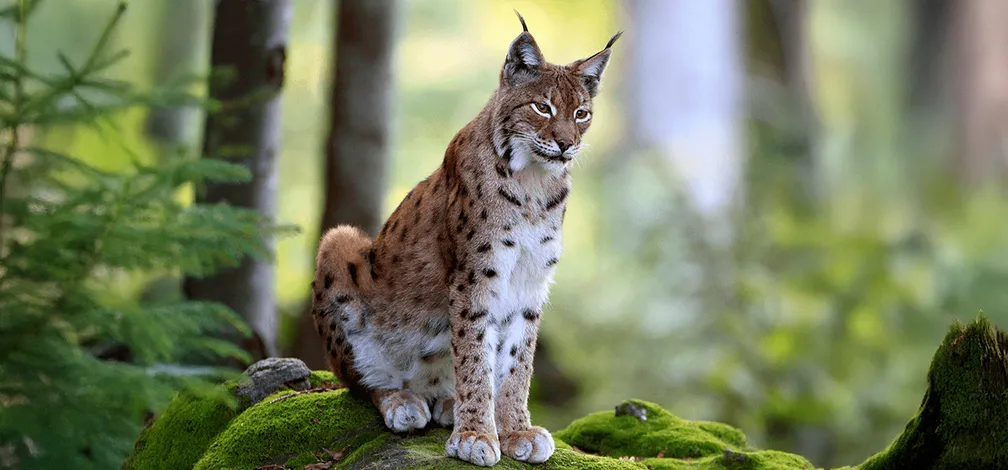
Slopes, plains, forests and vineyards of the Notranjska Regional Park provide a home to many species. Here, among the multitude of widely distributed, yet no less beautiful flowers, thrive 'carnivores', rare, endangered, protected and endemic species.