With respect to the length of the route travelled, there were short-distance coachmen (transported wood from forests, could spend the entire day on the road), medium-distance coachmen (could spend the entire day and part of the night on the road) and long-distance coachmen (transported cargo to merchants or railway stations, could spend a week or more on the road). Long-distance driving was also the most profitable one.
On their way back, coachmen transported flour and other supplies for farmers, merchants and bakers. The money received for each ride, called fura, was used to feed and shoe the horses, for cart maintenance, some was brought home and the rest was left in inns along the route. Horse-drawn carriage driving was an important source of income for the local people because it contributed to the creation of an interesting bond of several different trades, ranging from blacksmithing to saddling, and wheeling to inn-keeping.
After 1950, horse-drawn carriage driving died out because the transportation of wood was taken over by the state forestry sector and horse-drawn carriages were replaced by carriers with motorized vehicles.
Period of horse-drawn carriage driving in Notranjska:
from the 15th to the 20th century
Length of routes:
up to 100 km
Weight of individual carriage:
up to 6 tons
Imported goods:
salt, oil, sugar, fish, wine
Exported goods:
iron and glass items, linen, cheese, lard, cattle, wood
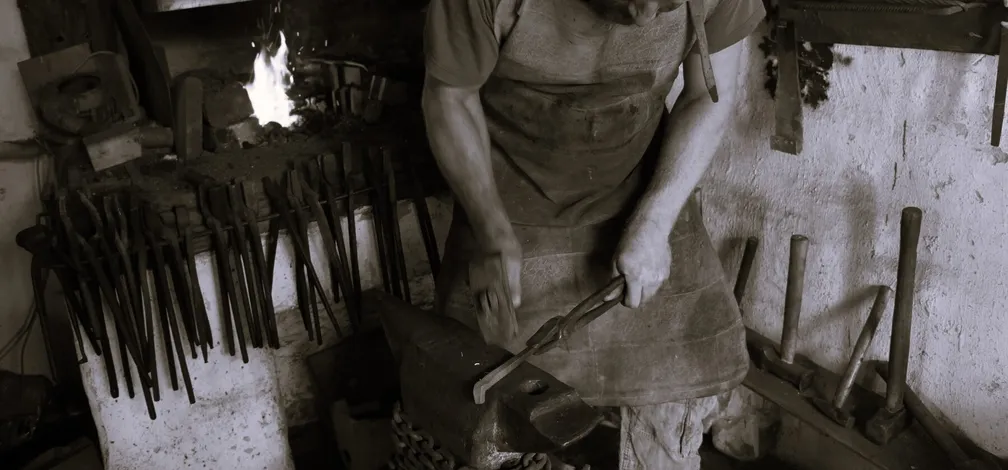
Blacksmithing was an important craft; there was at least one blacksmith in every larger village.
Blacksmithing was an important craft; there was at least one blacksmith in every larger village. When there were multiple blacksmiths in the same village, they would specialize either in toolmaking or horse shoeing.
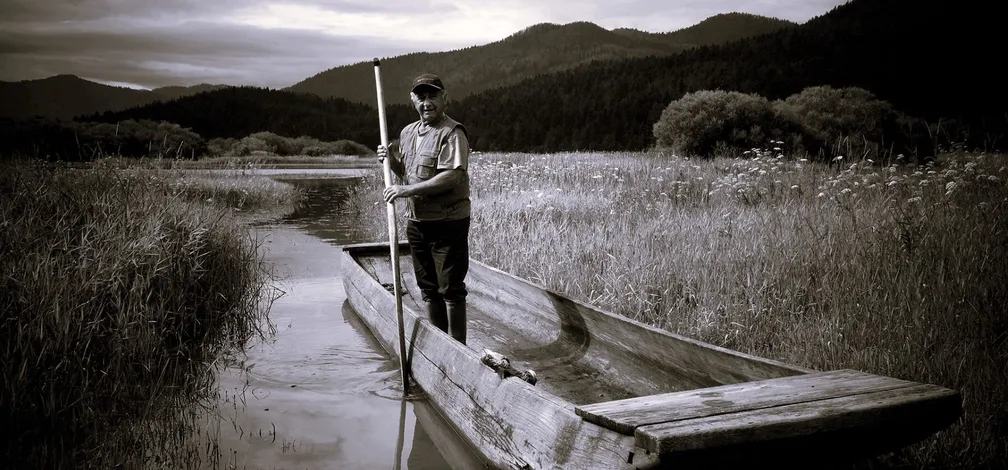
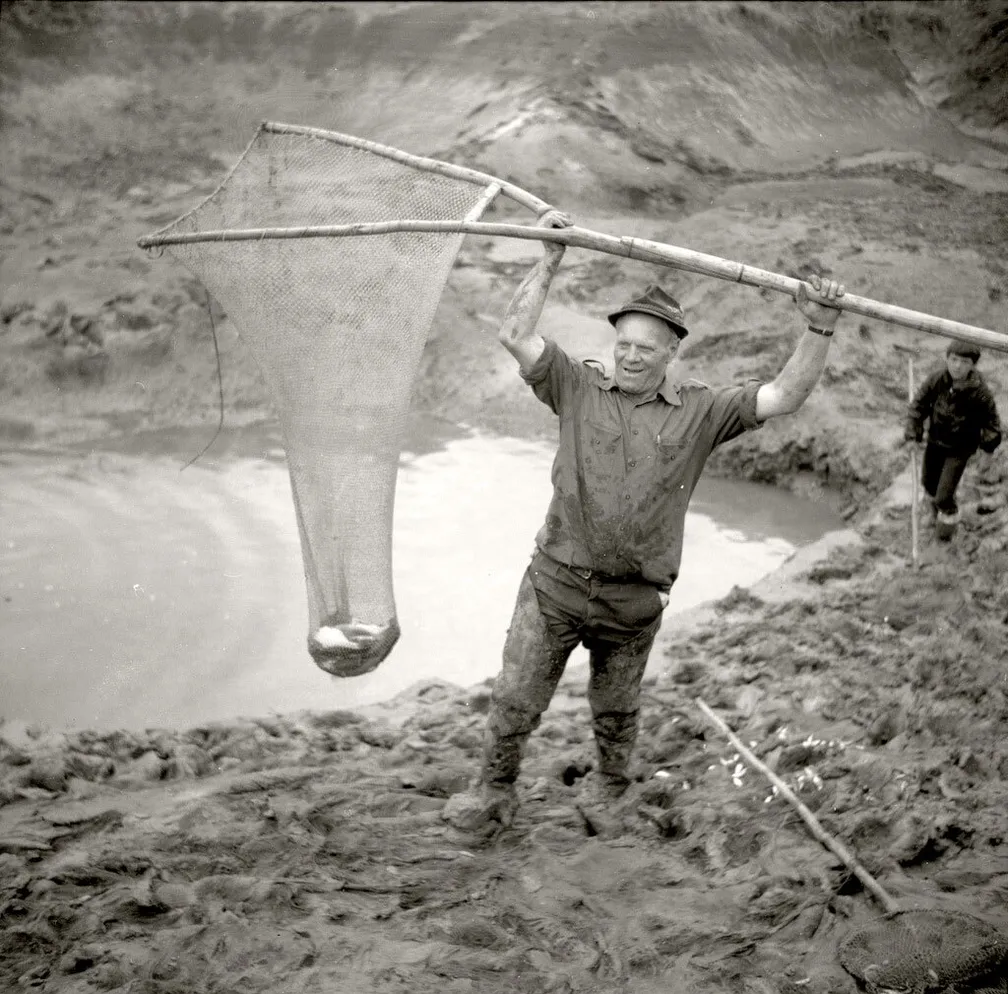
The use of the drevak boat was first described by Valvasor; it was used in the Lož valley, on Lake Cerknica, the Planina plain and the Ljubljana Marshes.
The use of the drevak boat was first described by Valvasor; it was used in the Lož valley, on Lake Cerknica, the Planina plain and the Ljubljana Marshes.
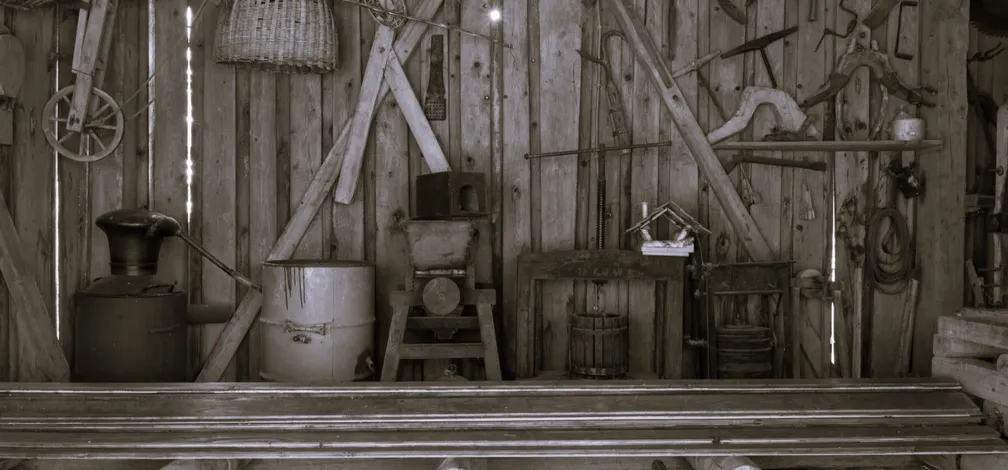
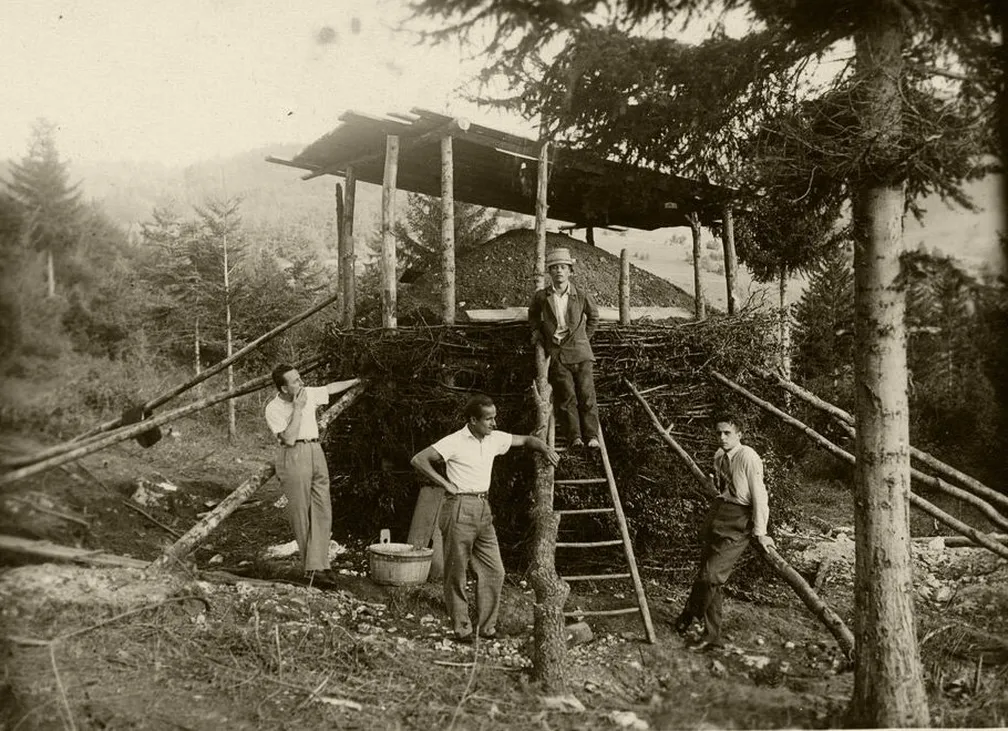
Spirit was distilled from fruit grown in the high-trunk orchards in farmers' gardens.
For distillation, only the damaged fruit was ground; the rest was consumed. The ground fruit was then sealed in large barrels, soaked and allowed to ferment for about six weeks. When fermented enough, it was ready for distillation.
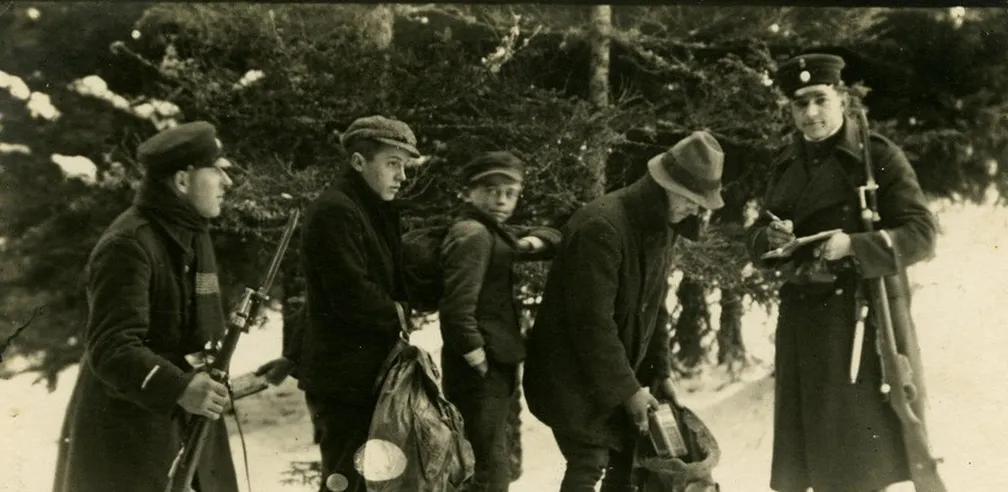
With the establishment of the border between Italy and the Kingdom of Yugoslavia after the First World War, our lands suddenly found themselves in a border area.
With the establishment of the border between Italy and the Kingdom of Yugoslavia after World War I, our lands suddenly turned into a border region, which initiated the activity that has always thrived near borders: smuggling. The border ran directly along this area and the main smuggling routes to Italy led over the Javorniki hills.
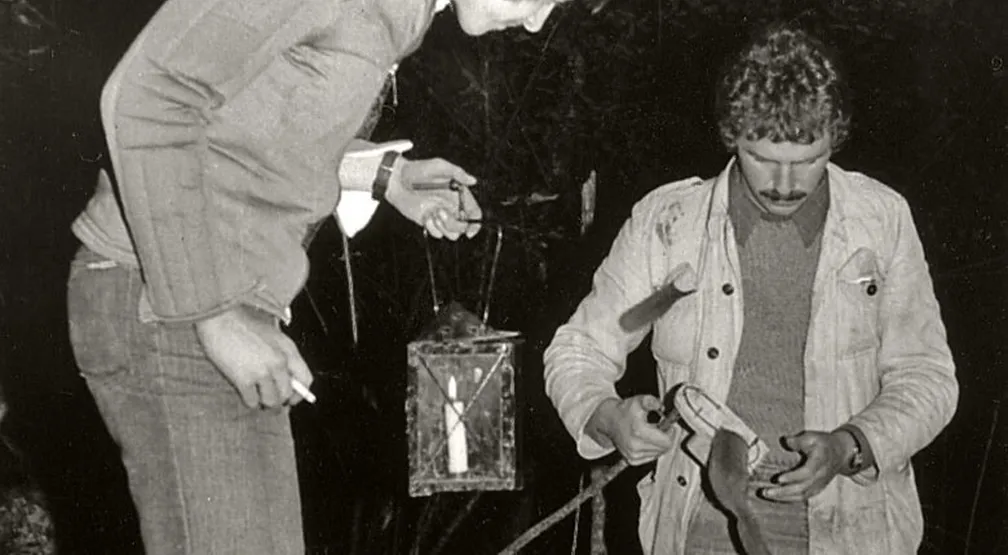
In Slovenia and the Notranjska region especially, dormouse trapping is a centuries-old tradition.
The first records on trapping and consumption of dormice date back to the 13th century. Later on, the tradition was also described extensively by explorer and scholar Johann Weikhard von Valvasor.
Slopes, plains, forests and vineyards of the Notranjska Regional Park provide a home to many species. Here, among the multitude of widely distributed, yet no less beautiful flowers, thrive 'carnivores', rare, endangered, protected and endemic species.