People usually sowed flax as early as April (early flax) and harvested it in July or August. Flax was never mowed; it was plucked. The plucked stems were first allowed to dry and then the seeds and leaves were separated from the stems. Seeds were extracted from the capsules by friction and the stems were spread onto fields and left to mature in dew. Later, the stems were dried with the help of fire and broken to separate fibres from chaff. The fibres were then heckled into long fibres. They were used for the finest of linen. Short fibres were used for low-quality linen for making bags, sheets and everyday clothing.
Like most cottage crafts, spinning and weaving usually took place in winter when there was no work on the fields. Linen weaving was a predominantly male domain. They made different products from one type of plant: clothing, sheets, tablecloths, towels, bags. In addition to fibres, they also used flaxseeds, with which they treated various diseases, injuries and ill cattle.
With the increased processing of industrial textiles, farm-based flax growing and processing gradually disappeared. In the Notranjska region, this trade is being preserved and researched by the Heritage House.
Uses of flax:
textiles, diet, treatment of diseases
First use of flax:
about 3,000 years ago
Time from sowing to harvest:
5-6 months
Flax products:
seeds, linen - sacks, bed sheets, clothing, regional costumes
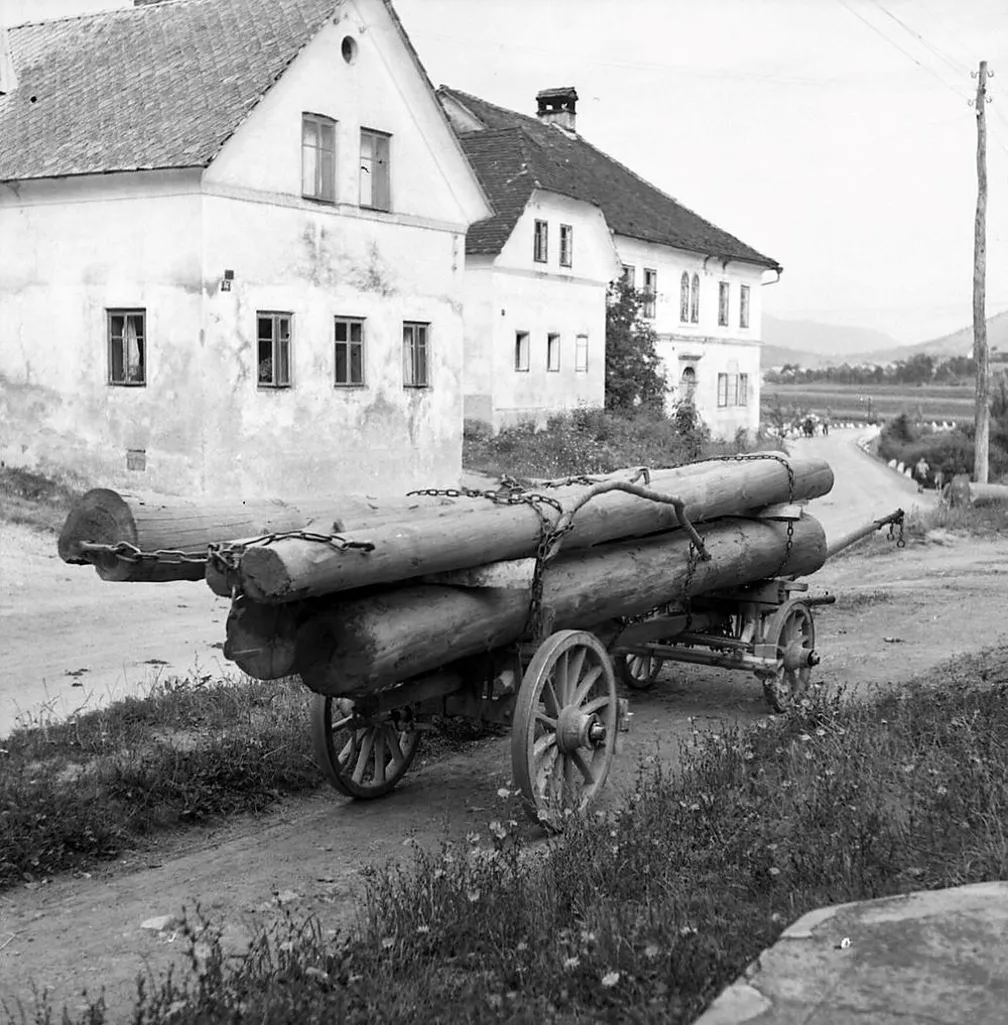
Transport routes in the Notranjska region have always been important in terms of economy and communications because they were the intersection of routes in the direction from Trieste to Ljubljana, the Dolenjska region and Zagreb, the Kočevje and the Kvarner region.
Transportation of cargo developed as early as the Middle Ages and then gradually evolved in horse-drawn carriage driving (transportation services).
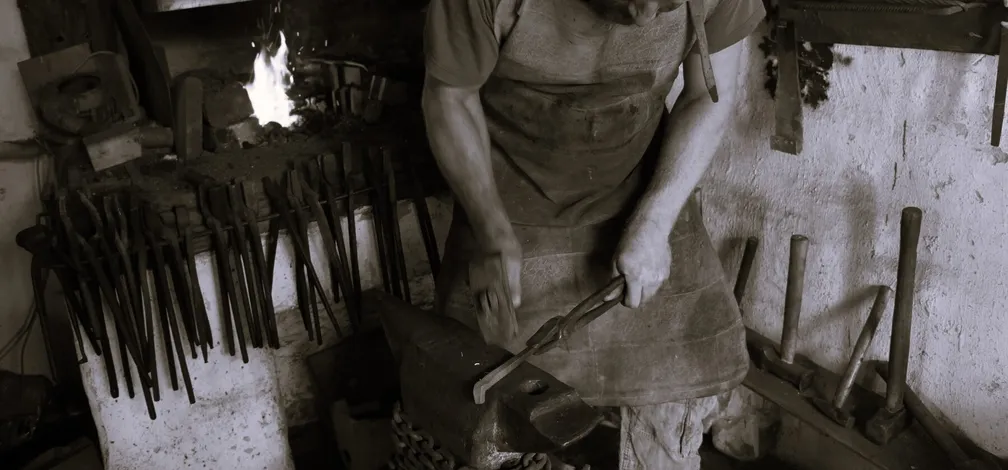
Blacksmithing was an important craft; there was at least one blacksmith in every larger village.
Blacksmithing was an important craft; there was at least one blacksmith in every larger village. When there were multiple blacksmiths in the same village, they would specialize either in toolmaking or horse shoeing.
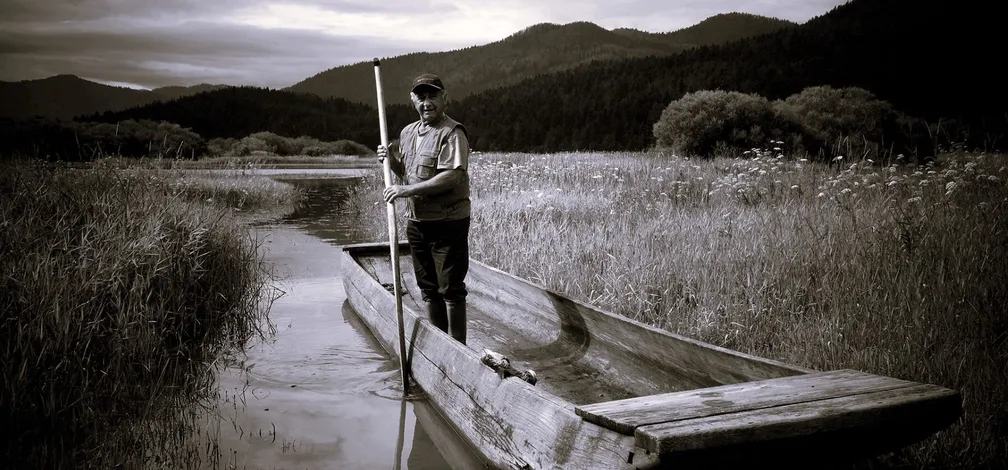
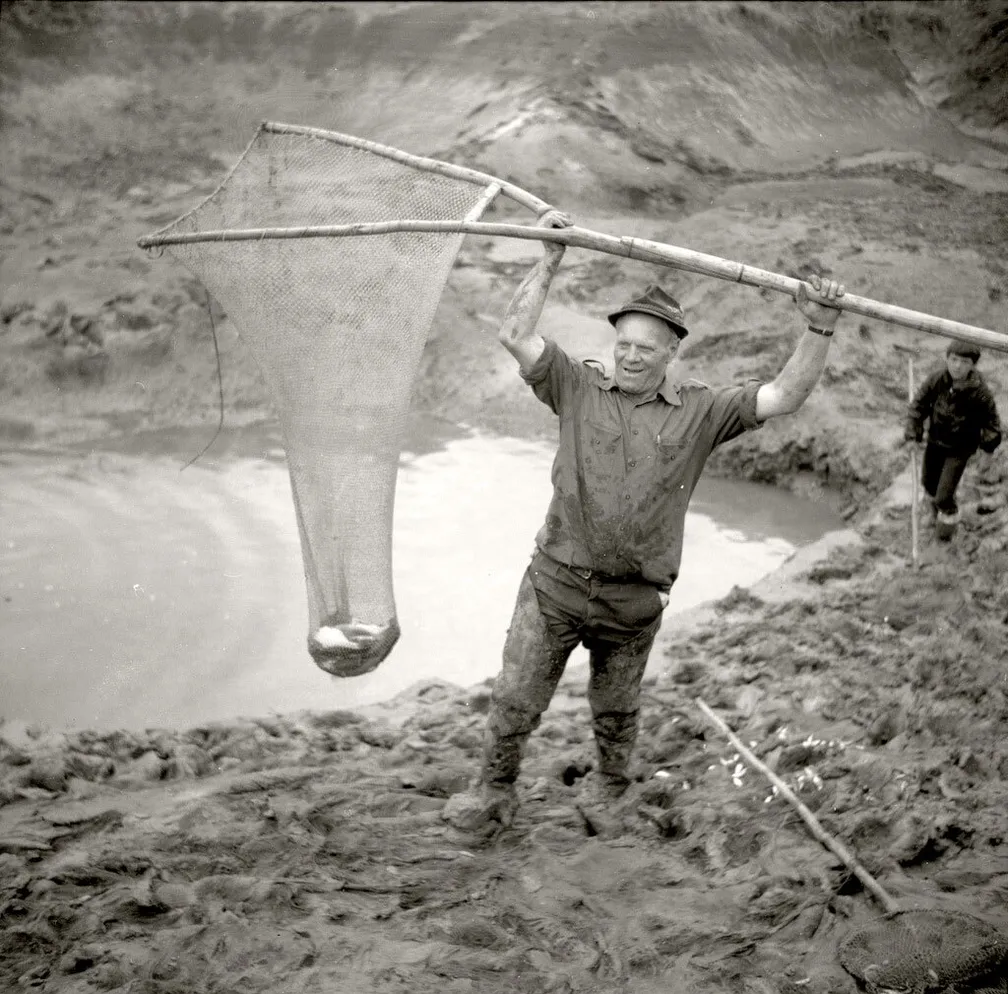
The use of the drevak boat was first described by Valvasor; it was used in the Lož valley, on Lake Cerknica, the Planina plain and the Ljubljana Marshes.
The use of the drevak boat was first described by Valvasor; it was used in the Lož valley, on Lake Cerknica, the Planina plain and the Ljubljana Marshes.
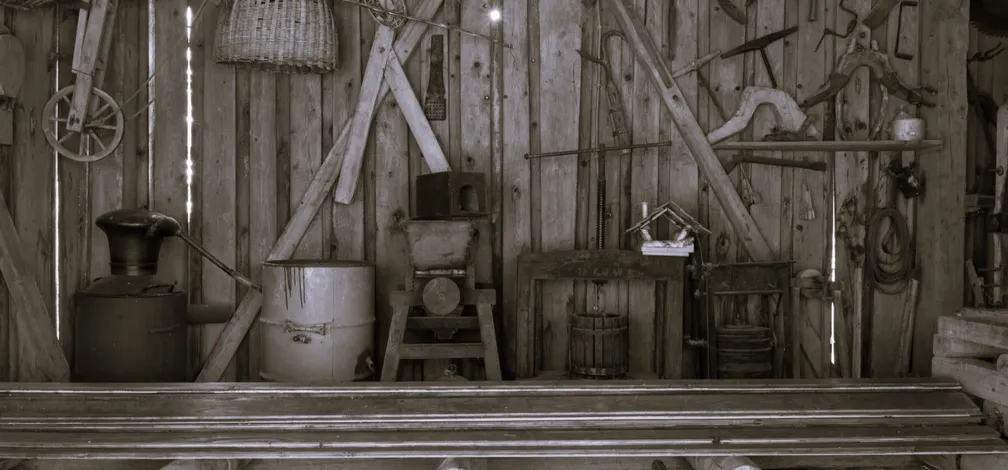
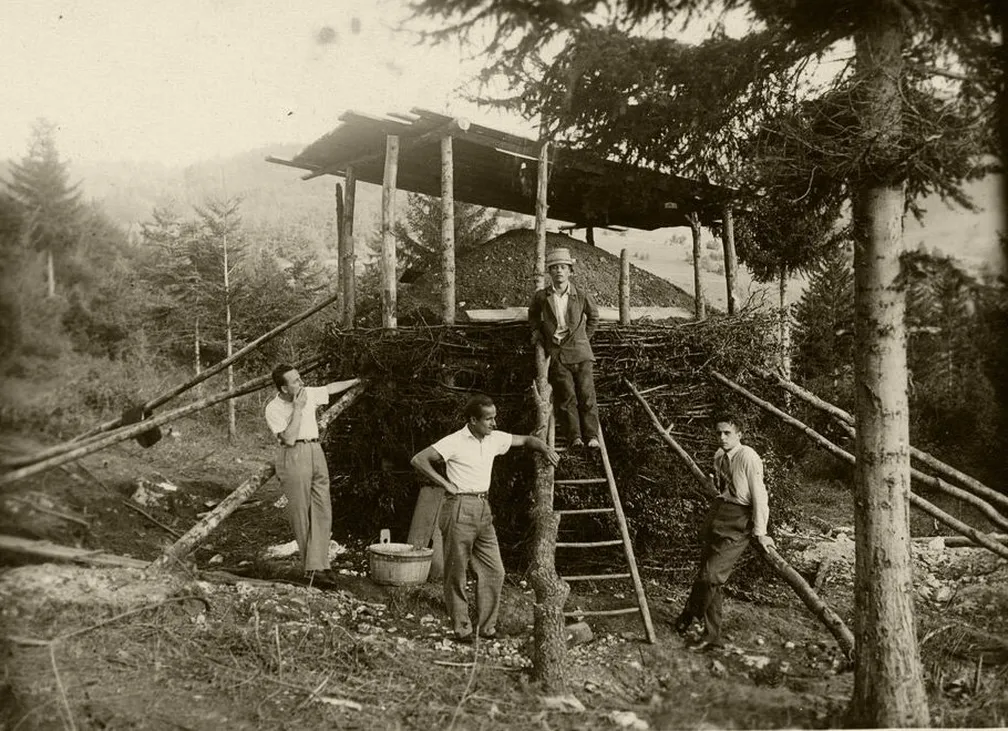
Spirit was distilled from fruit grown in the high-trunk orchards in farmers' gardens.
For distillation, only the damaged fruit was ground; the rest was consumed. The ground fruit was then sealed in large barrels, soaked and allowed to ferment for about six weeks. When fermented enough, it was ready for distillation.
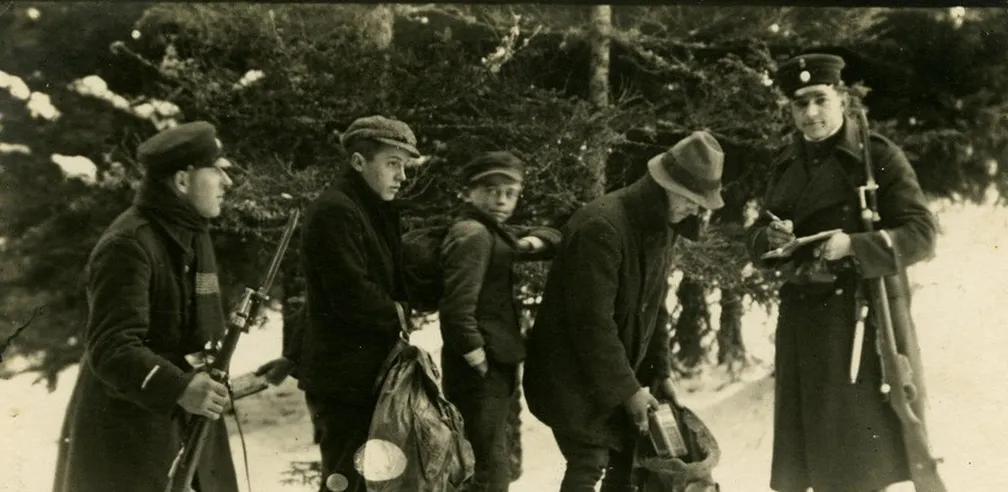
With the establishment of the border between Italy and the Kingdom of Yugoslavia after the First World War, our lands suddenly found themselves in a border area.
With the establishment of the border between Italy and the Kingdom of Yugoslavia after World War I, our lands suddenly turned into a border region, which initiated the activity that has always thrived near borders: smuggling. The border ran directly along this area and the main smuggling routes to Italy led over the Javorniki hills.
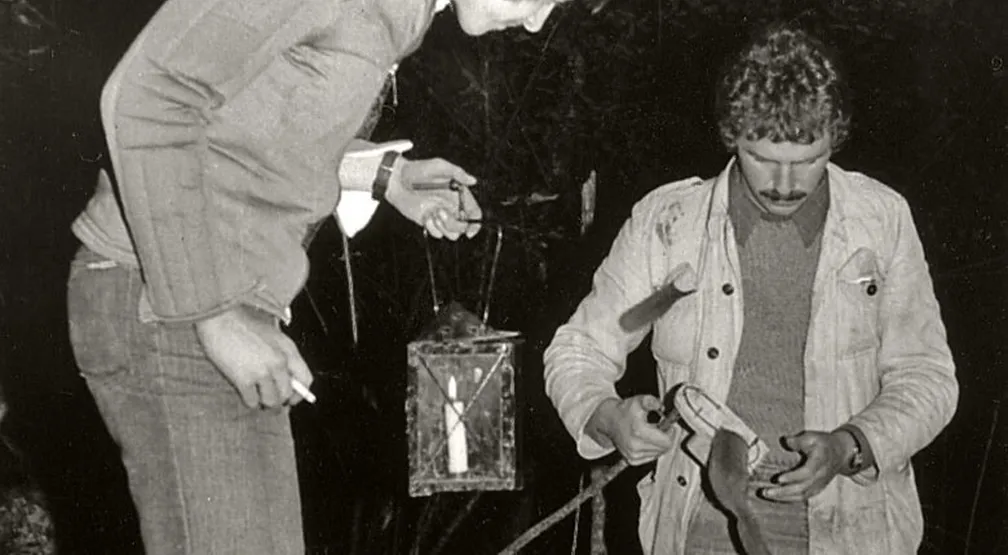
In Slovenia and the Notranjska region especially, dormouse trapping is a centuries-old tradition.
The first records on trapping and consumption of dormice date back to the 13th century. Later on, the tradition was also described extensively by explorer and scholar Johann Weikhard von Valvasor.
Slopes, plains, forests and vineyards of the Notranjska Regional Park provide a home to many species. Here, among the multitude of widely distributed, yet no less beautiful flowers, thrive 'carnivores', rare, endangered, protected and endemic species.