In the past, dormice were trapped for their fat, which was used for medical purposes, and for consumption because the animals were often the only source of protein to the poor serfs. Dormouse fur was used to make an array of different items; Slovenia, for example, is famous for its winter cap, called polhovka.
Most typically, trappers used wooden trap-chests which they attached onto hazel sticks and then hanged them on trees, usually hornbeams or beeches. As bait, small chunks of apple or pear were used, and most importantly – a few drops of homemade fruit or pear spirit. Dormouse trapping is a rich part of our culture. Centuries ago, it primarily served as a means of survival. Today, it is viewed more of a social gathering with the goal of preserving our tradition and link to nature. All of which have been proven attainable without actually trapping those whiskery creatures.
First written mention of dormouse trapping in Slovenia:
1240
Number of dormouse skins, needed to make a "polhovka" cap:
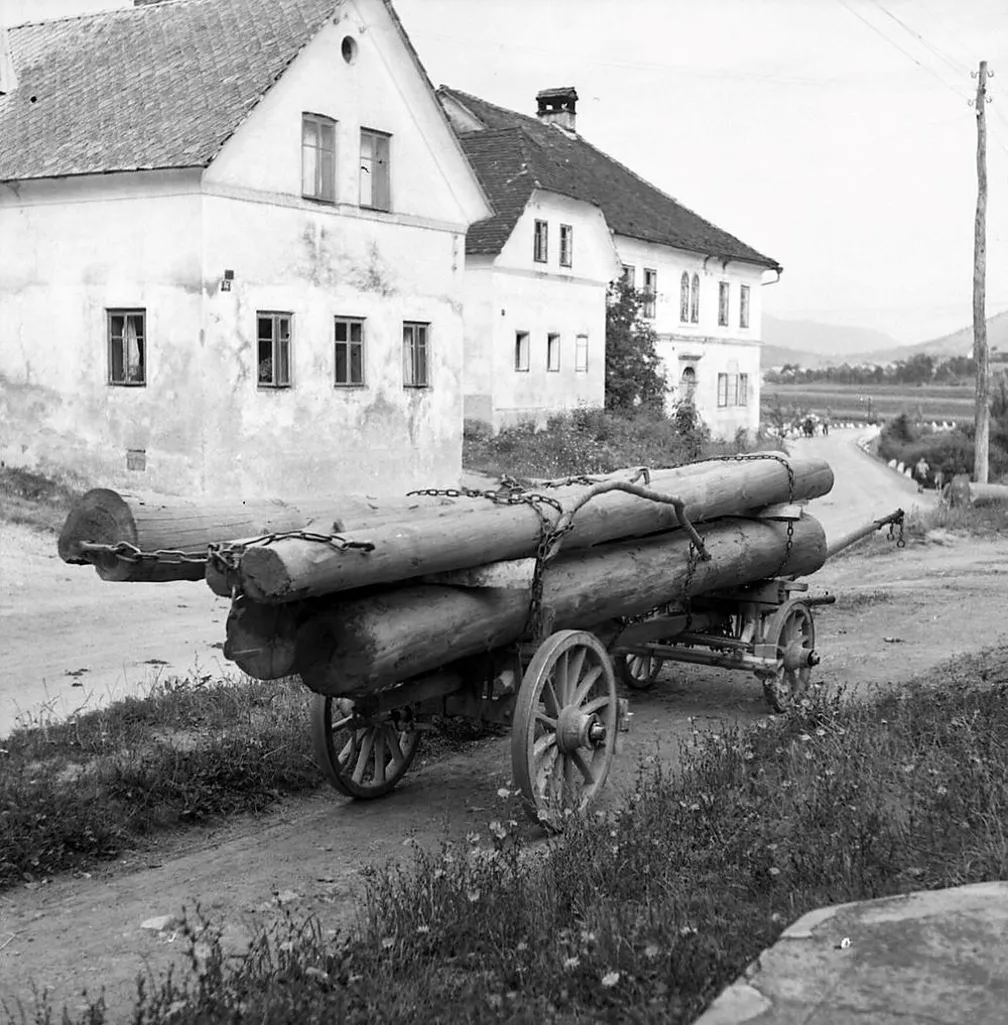
Transport routes in the Notranjska region have always been important in terms of economy and communications because they were the intersection of routes in the direction from Trieste to Ljubljana, the Dolenjska region and Zagreb, the Kočevje and the Kvarner region.
Transportation of cargo developed as early as the Middle Ages and then gradually evolved in horse-drawn carriage driving (transportation services).
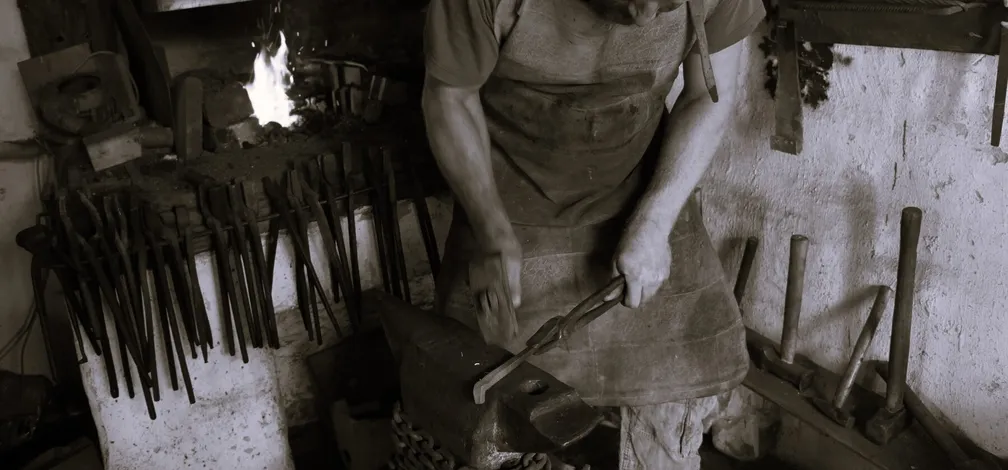
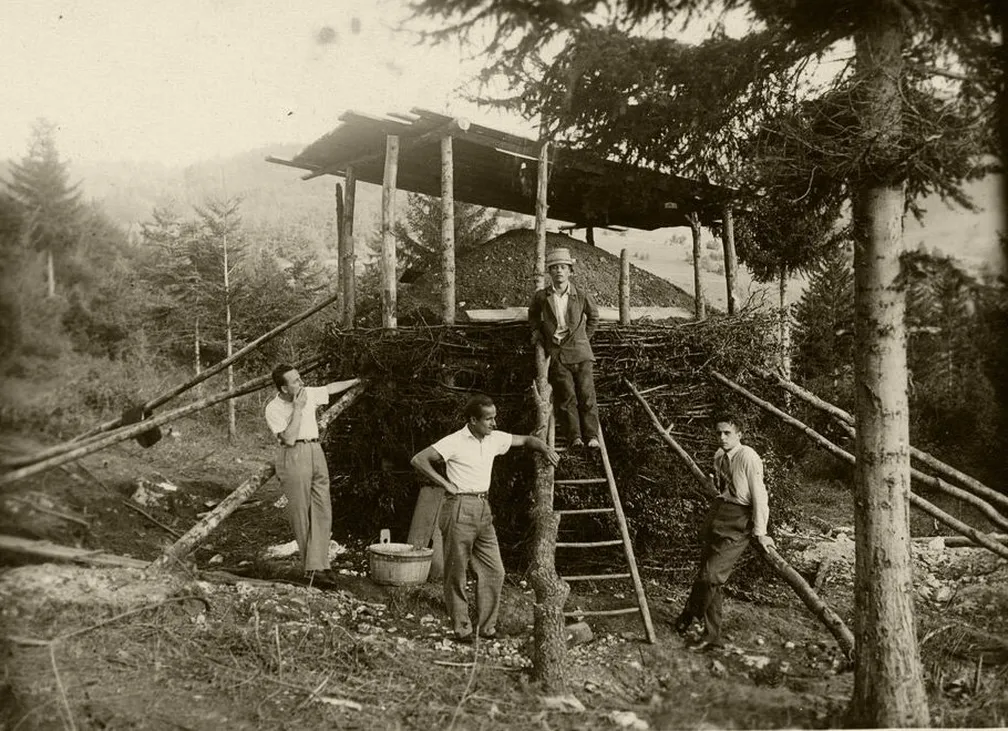
Blacksmithing was an important craft; there was at least one blacksmith in every larger village.
Blacksmithing was an important craft; there was at least one blacksmith in every larger village. When there were multiple blacksmiths in the same village, they would specialize either in toolmaking or horse shoeing.
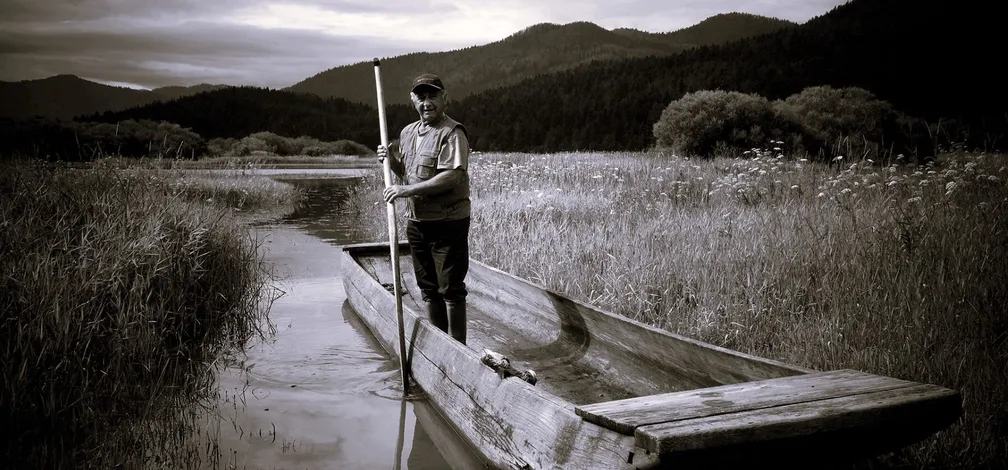
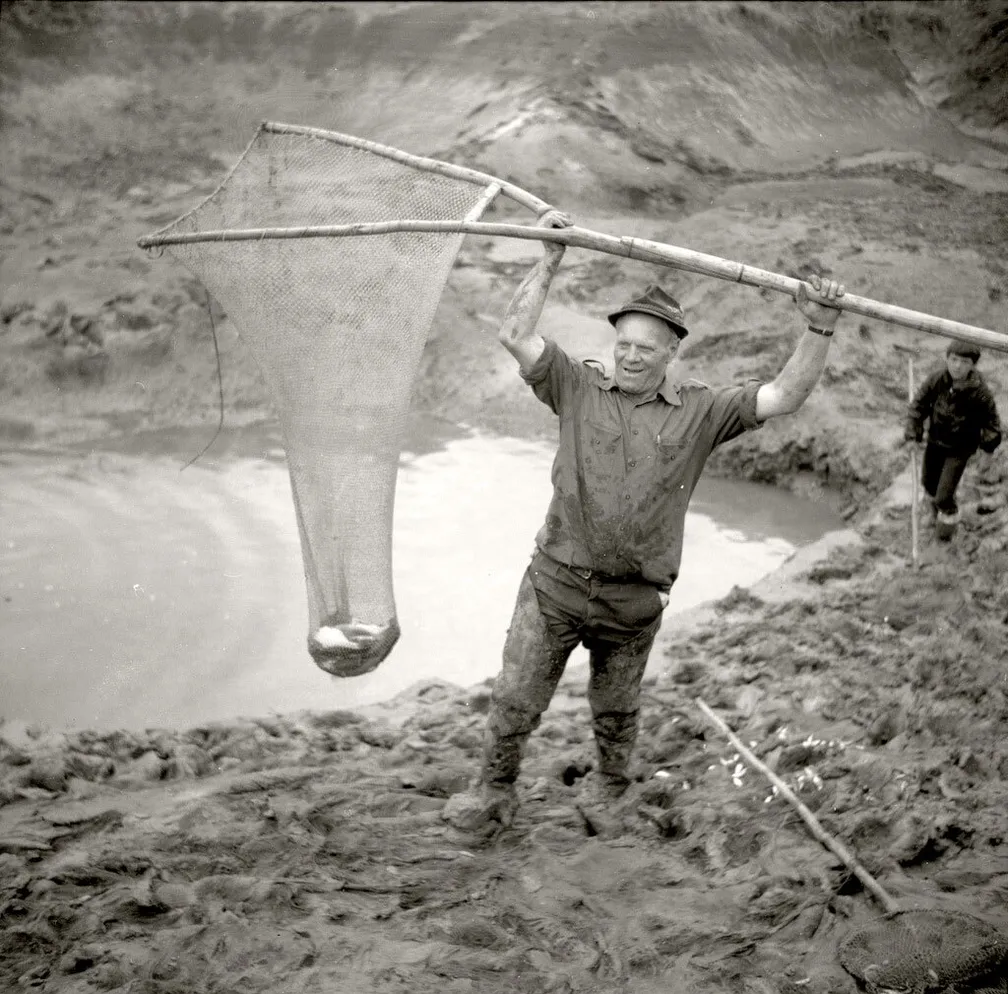
The use of the drevak boat was first described by Valvasor; it was used in the Lož valley, on Lake Cerknica, the Planina plain and the Ljubljana Marshes.
The use of the drevak boat was first described by Valvasor; it was used in the Lož valley, on Lake Cerknica, the Planina plain and the Ljubljana Marshes.
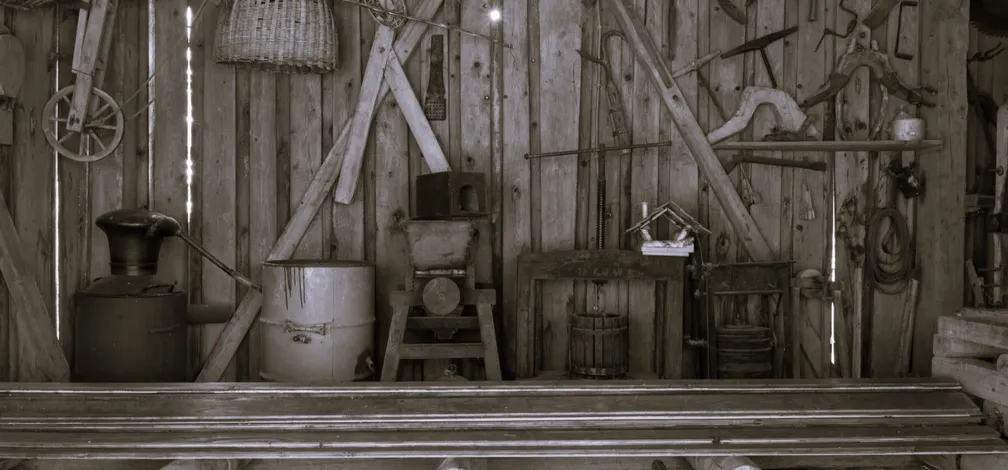
Spirit was distilled from fruit grown in the high-trunk orchards in farmers' gardens.
For distillation, only the damaged fruit was ground; the rest was consumed. The ground fruit was then sealed in large barrels, soaked and allowed to ferment for about six weeks. When fermented enough, it was ready for distillation.
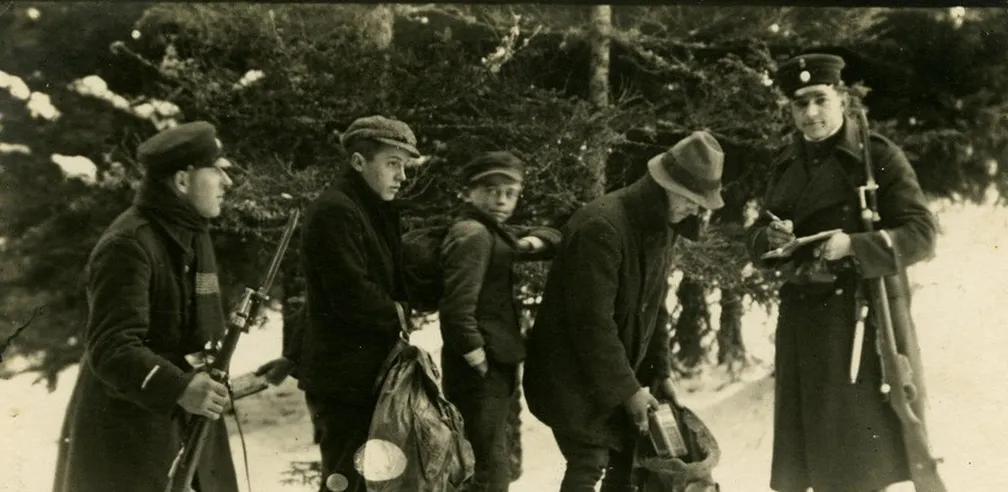
With the establishment of the border between Italy and the Kingdom of Yugoslavia after the First World War, our lands suddenly found themselves in a border area.
With the establishment of the border between Italy and the Kingdom of Yugoslavia after World War I, our lands suddenly turned into a border region, which initiated the activity that has always thrived near borders: smuggling. The border ran directly along this area and the main smuggling routes to Italy led over the Javorniki hills.
Slopes, plains, forests and vineyards of the Notranjska Regional Park provide a home to many species. Here, among the multitude of widely distributed, yet no less beautiful flowers, thrive 'carnivores', rare, endangered, protected and endemic species.