Toolmakers would forge nails and implements needed in farming, forestry, transporting and building, whereas farriers engaged in making horseshoes and fitting them onto the hooves of working animals.
When a farmer or coachman noticed their horse needed new horseshoes, they took him to a blacksmith. While at the smithy, the owner held the animal's leg and the blacksmith measured the hoof. He then heated and bent the horseshoe to the correct shape, trimmed the hoof and nailed the hot shoe onto it with special iron nails.
A blacksmith's work lasted from dawn, when it was still fresh, till dusk. The skills were handed down from father to son and so were the smithies. Some blacksmiths even acted as dentists by repairing people's and horses' teeth.
They used to be very busy, but today hardly anyone keeps a fire burning in their workshop. Some blacksmiths come to shoe the horses at people's homes. In the Notranjska region, traditional blacksmithing is being preserved by the Heritage House.
Types of blacksmiths:
farriers, toolmakers
Uses of forged tools:
agriculture, forestry, construction
Activities of farriers:
horse shoeing, veterinary work
Temperature range when forging steel:
800–1150°C
Forging equipment:
tongs, anvil, hammer
Uses of forged nails:
making of the "drevak" boat, construction, horseshoeing, shoemaking
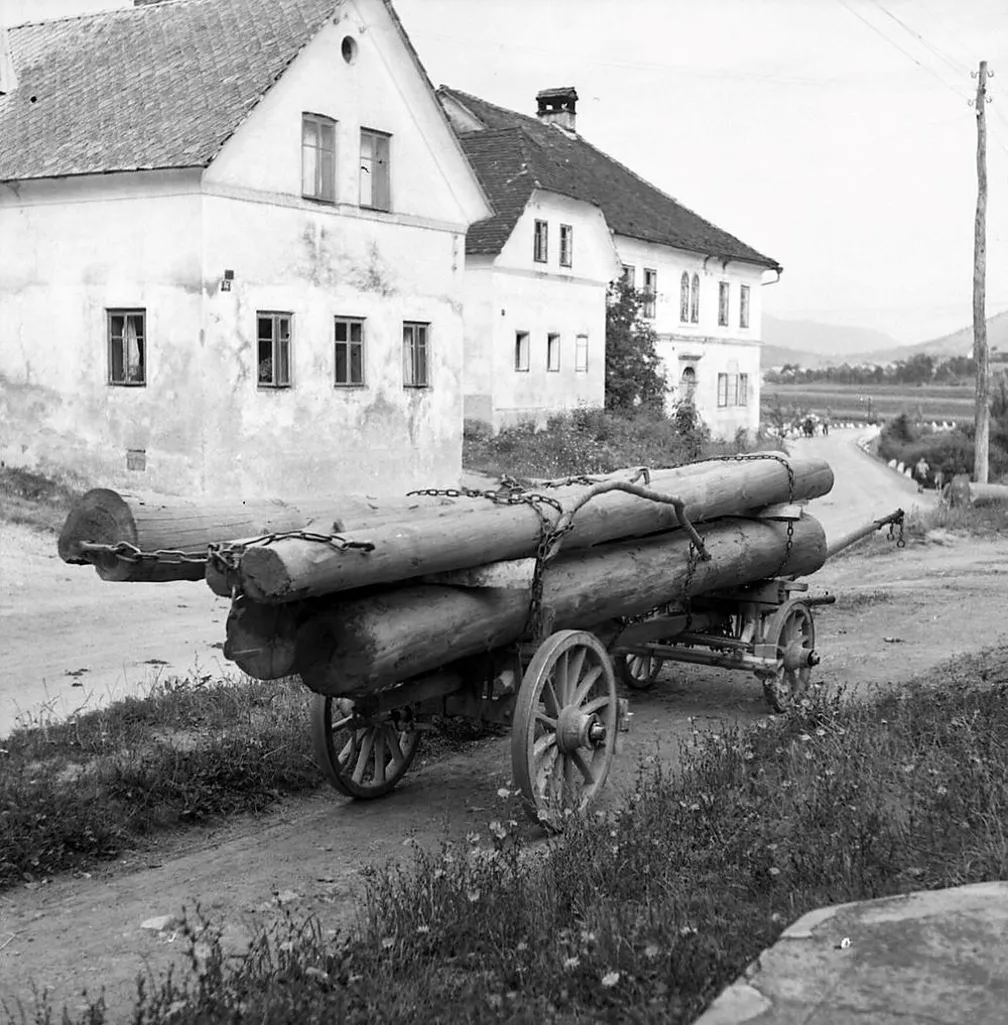
Transport routes in the Notranjska region have always been important in terms of economy and communications because they were the intersection of routes in the direction from Trieste to Ljubljana, the Dolenjska region and Zagreb, the Kočevje and the Kvarner region.
Transportation of cargo developed as early as the Middle Ages and then gradually evolved in horse-drawn carriage driving (transportation services).
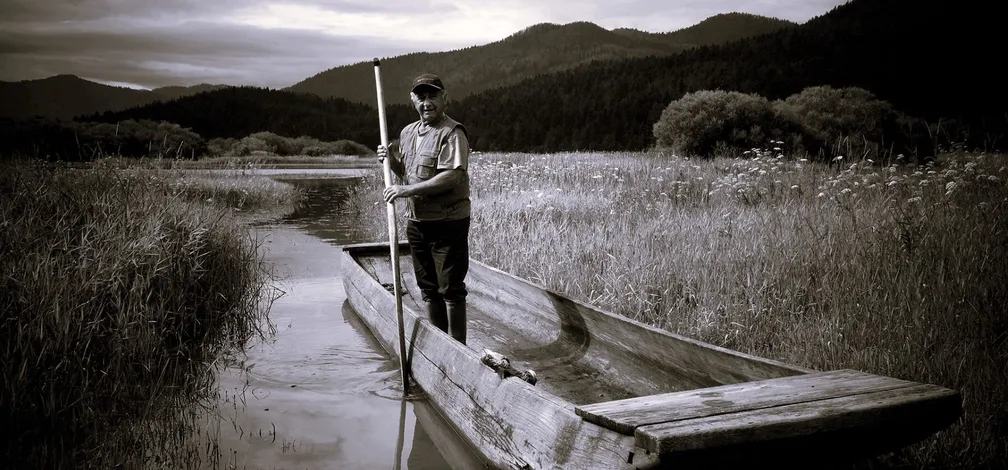
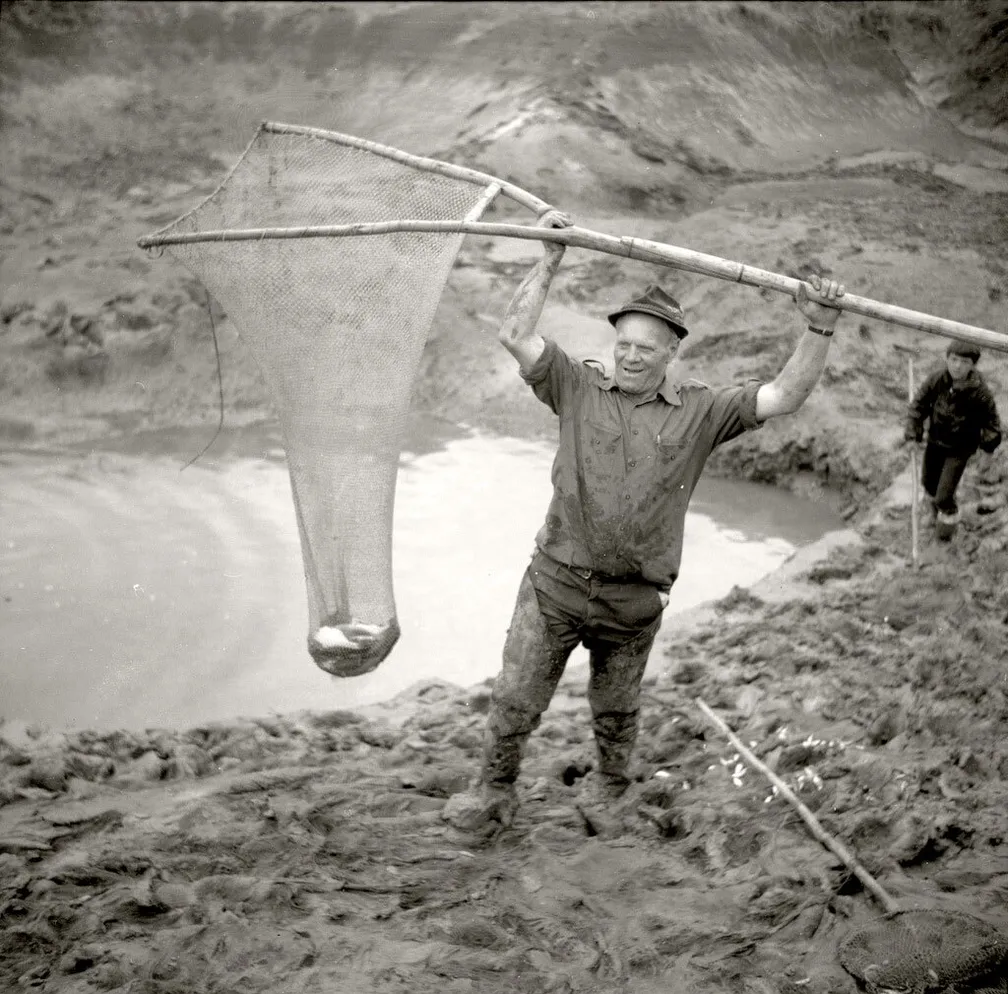
The use of the drevak boat was first described by Valvasor; it was used in the Lož valley, on Lake Cerknica, the Planina plain and the Ljubljana Marshes.
The use of the drevak boat was first described by Valvasor; it was used in the Lož valley, on Lake Cerknica, the Planina plain and the Ljubljana Marshes.
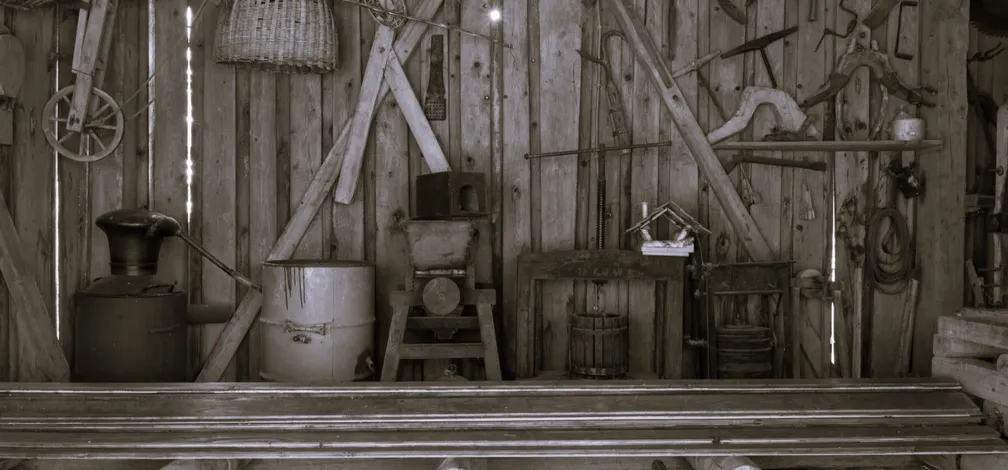
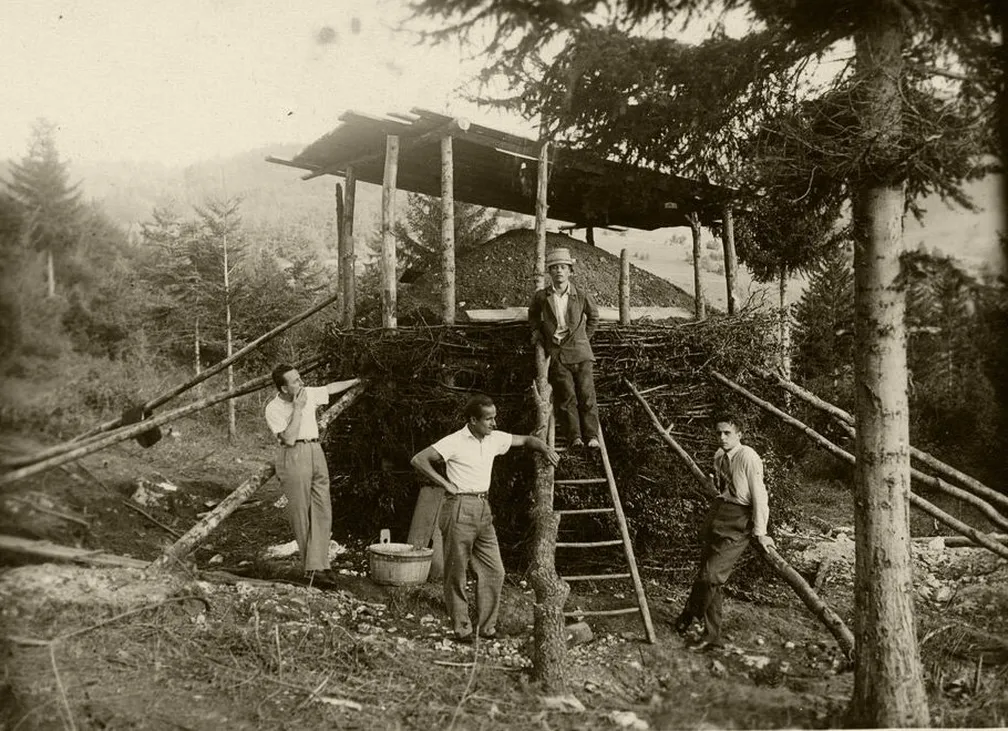
Spirit was distilled from fruit grown in the high-trunk orchards in farmers' gardens.
For distillation, only the damaged fruit was ground; the rest was consumed. The ground fruit was then sealed in large barrels, soaked and allowed to ferment for about six weeks. When fermented enough, it was ready for distillation.
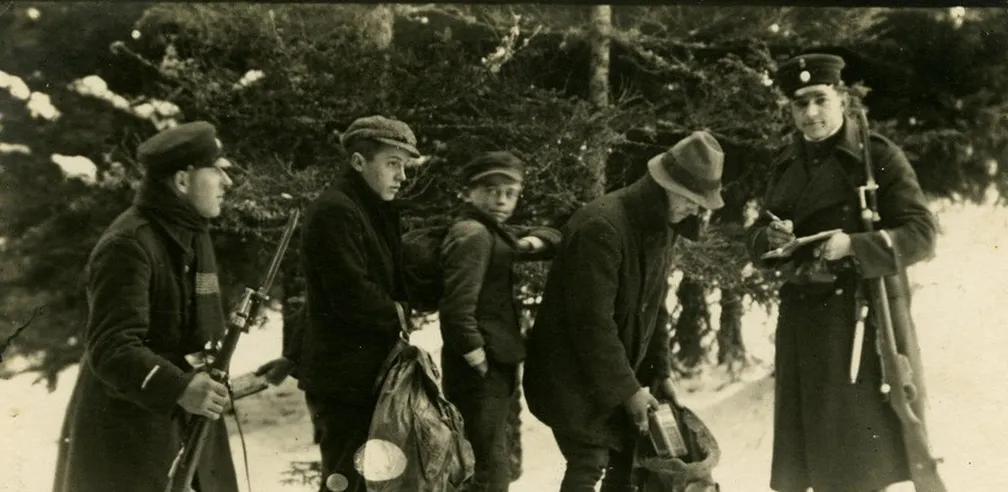
With the establishment of the border between Italy and the Kingdom of Yugoslavia after the First World War, our lands suddenly found themselves in a border area.
With the establishment of the border between Italy and the Kingdom of Yugoslavia after World War I, our lands suddenly turned into a border region, which initiated the activity that has always thrived near borders: smuggling. The border ran directly along this area and the main smuggling routes to Italy led over the Javorniki hills.
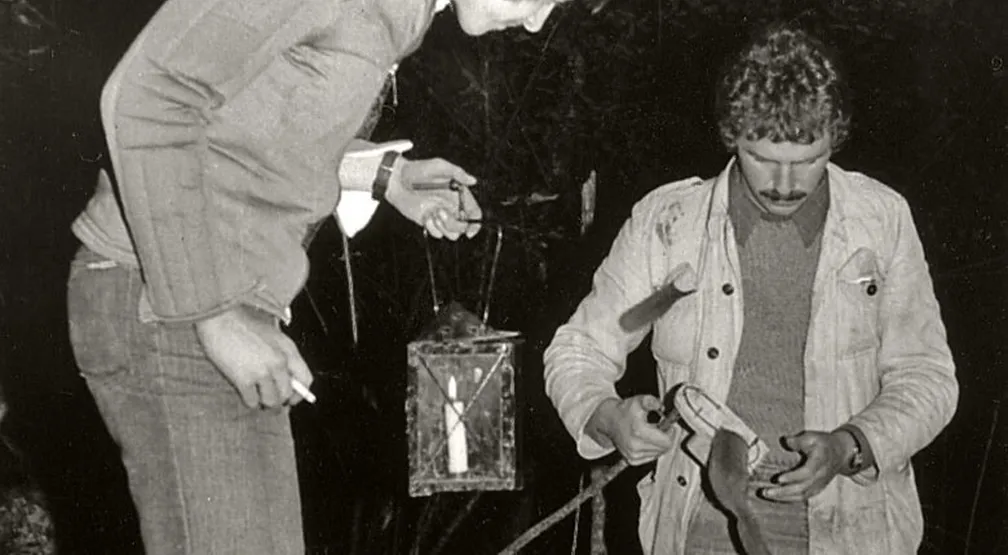
In Slovenia and the Notranjska region especially, dormouse trapping is a centuries-old tradition.
The first records on trapping and consumption of dormice date back to the 13th century. Later on, the tradition was also described extensively by explorer and scholar Johann Weikhard von Valvasor.
Slopes, plains, forests and vineyards of the Notranjska Regional Park provide a home to many species. Here, among the multitude of widely distributed, yet no less beautiful flowers, thrive 'carnivores', rare, endangered, protected and endemic species.